Regulatory Scrutiny in India: Labeling Dispute Over High‑Caffeine Beverages
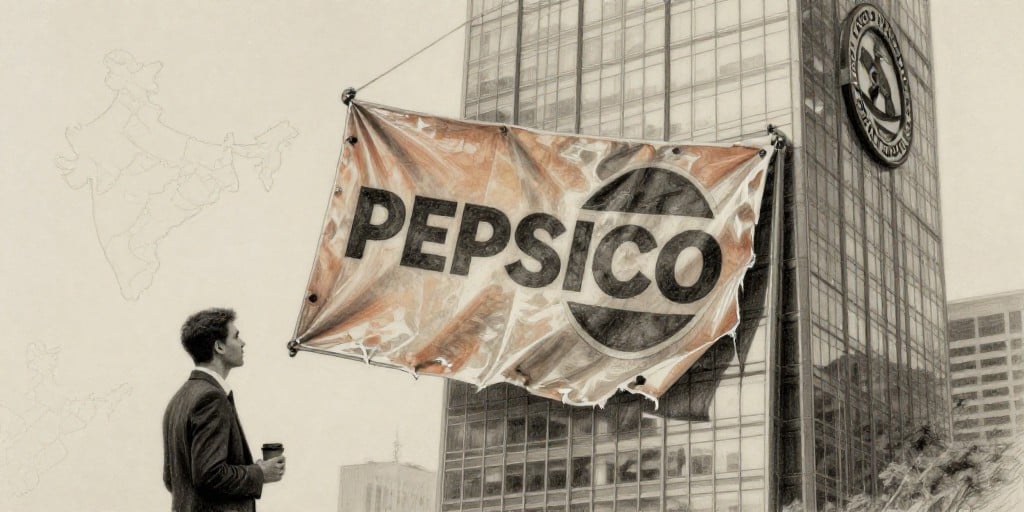
PepsiCo Inc. finds itself at the center of a regulatory dispute in India that could have implications for its brand positioning and supply‑chain operations. The Food Safety and Standard Authority of India (FSSAI) has issued a decision that prohibits the use of the term “energy drink” on packaging of products containing high levels of caffeine and related stimulants. The ruling was predicated on the absence of a formal category standard for energy drinks in India, a position that the regulator asserts is necessary to protect consumers from misleading marketing practices.
In June, the Delhi High Court granted a temporary relief allowing PepsiCo and its competitor Monster Beverage to continue marketing their existing stock under the “energy drink” designation. However, the court imposed a blanket ban on the introduction of new products under that label. Both companies have filed separate legal challenges, arguing that the FSSAI failed to provide prior notice or an opportunity to be heard before imposing the ban. The case is scheduled for hearings later this week.
Market and Competitive Dynamics
Energy‑drink sales in India have been on a rapid upswing, driven by a youthful demographic and a burgeoning preference for functional beverages. The market is estimated to grow at a CAGR of 12 % over the next five years, with top-tier players such as PepsiCo, Monster, and local brands vying for shelf space. The regulatory clampdown on labeling could disrupt PepsiCo’s competitive positioning, especially if the company is forced to rebrand its high‑caffeine products to avoid legal penalties.
From a competitive standpoint, the ban may create a short‑term opportunity for local manufacturers that have historically marketed their products under generic “high‑energy” labels. Conversely, PepsiCo’s global brand strength and robust distribution network could mitigate the impact if the company adopts a swift re‑labeling strategy that aligns with FSSAI guidelines.
Financial Implications
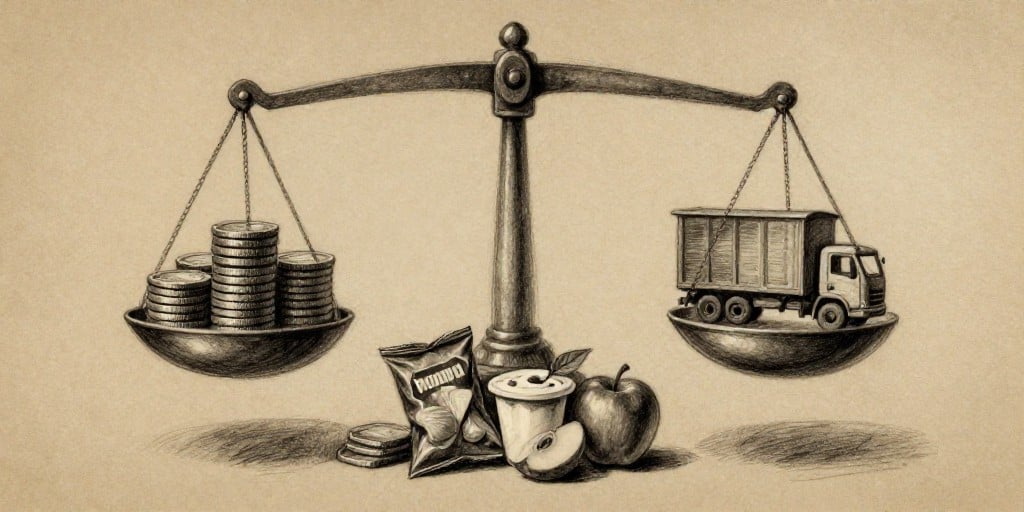
PepsiCo reported a double‑digit growth in both volume and value in its most recent quarter, underscoring the resilience of its diversified portfolio. The company’s food segment—now a significant revenue driver—has been a buffer against volatile beverage sales, especially in emerging markets where consumer preferences are shifting toward healthier options.
The regulatory uncertainty in India is unlikely to materially affect the company’s overall earnings trajectory, given the modest share of India in its global revenue mix (approximately 4 %). However, the potential need to redesign packaging and marketing materials, coupled with the risk of a prolonged legal battle, could incur costs ranging from $5 million to $15 million in the short term. Moreover, if the court ultimately sides with the FSSAI, PepsiCo could face a temporary dip in sales of its high‑caffeine beverages, which traditionally command higher margins.
Dividend Policy and Shareholder Returns
PepsiCo maintains a steadfast dividend policy, with a recent payout reflecting a long‑standing commitment to shareholder returns. Analysts note that the company has increased dividends for over fifty years, a track record that reinforces its reputation as a resilient performer in the consumer staples sector. This consistency has helped sustain investor confidence even amid macroeconomic headwinds and sectoral disruptions.
Global Strategy and Emerging Markets
PepsiCo’s global strategy remains heavily anchored in expanding its footprint in emerging markets, notably in Africa. The company is investing in new capacity additions across the continent, anticipating a 6‑7 % CAGR in regional consumption over the next decade. These investments are designed to secure supply chain resilience and localize production, thereby reducing import costs and mitigating currency risk.
Operational efficiencies are a cornerstone of PepsiCo’s strategy, exemplified by its integration of supply chains and the adoption of recycled PET in packaging. The use of recycled PET has helped moderate packaging costs by an estimated 2.5 % annually, offsetting raw‑material price pressures that have risen by 10 % over the past three years. PepsiCo’s pricing and packaging adjustments—such as tiered pricing for high‑margin products and the introduction of premium packaging for select segments—have preserved margins without compromising growth momentum.
Risk Assessment
| Risk | Likelihood | Impact | Mitigation |
|---|---|---|---|
| Regulatory sanctions in India | Medium | Low‑Medium | Swift re‑labeling, legal defense, stakeholder engagement |
| Raw‑material price volatility | High | Medium | Long‑term hedging, diversified supplier base |
| Competitive pressure in energy‑drink segment | Medium | Medium | Product innovation, market segmentation |
| Supply‑chain disruptions in Africa | Medium | Low‑Medium | Local production, buffer stock, logistics partnerships |
Conclusion
PepsiCo’s core business fundamentals remain robust, buoyed by a diversified product mix, disciplined dividend policy, and a proactive global expansion strategy. The regulatory challenge in India introduces a localized uncertainty that, while potentially impactful in the short term, is unlikely to derail the company’s medium‑term trajectory. By maintaining a skeptical yet informed stance—examining regulatory frameworks, competitive dynamics, and financial metrics—stakeholders can discern that PepsiCo is well positioned to navigate this episode and continue delivering shareholder value.