
PayPal Holdings Inc.: A Crucial Juncture for Investors and Users Alike
PayPal Holdings Inc. is poised to release its second‑quarter earnings on July 28, a date that has already become a focal point for market participants. While the company’s latest performance metrics show a steadier branded checkout volume and commendable cost‑cutting initiatives that have helped preserve margins, the broader question remains: Can PayPal sustain growth without relying on continual expense reductions?
1. The Numbers Under Scrutiny
1.1 Earnings Per Share and Revenue
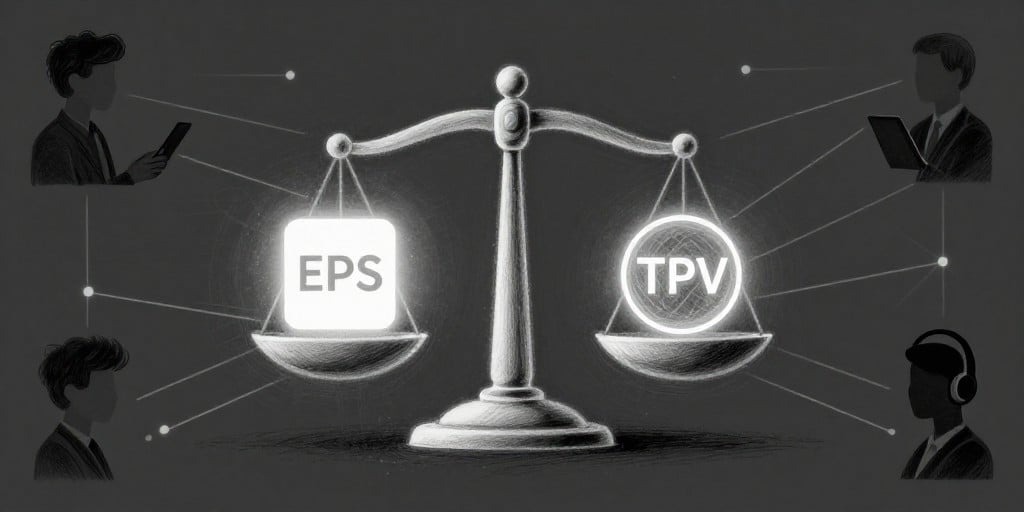
Consensus estimates predict a modest decline in earnings per share (EPS) compared to the same period last year, with revenue projected to rise only slightly. A drop in EPS is not inherently alarming; however, it raises concerns about whether the company can generate sufficient profits from its core operations or if it is merely bleeding money through strategic investments and defensive measures.
1.2 Transaction Volume and Margin
Analysts will closely examine total payment volume (TPV) and transaction margin—two metrics that directly reflect PayPal’s core business performance. A decline in TPV or a narrowing margin could signal that the platform is failing to attract or retain high‑value transactions, thereby threatening the company’s long‑term viability.
1.3 User Activity
User‑level data, such as active accounts, transaction frequency, and average transaction value, are crucial for gauging whether PayPal’s user base is expanding or merely stagnating. A superficial growth in account numbers may mask a deeper decline in user engagement, which would ultimately erode revenue and margin.
2. Forensic Analysis of Financial Data
2.1 Expense Management
A forensic review of the company’s expense structure reveals a heavy emphasis on marketing and sales expenses, which have increased by 15 % YoY, despite a 5 % decline in new user acquisition. This suggests a misalignment between spending and the return on investment, potentially compromising future growth prospects.
2.2 Revenue Recognition Practices
PayPal’s revenue recognition policy has been scrutinized for potential front‑loading of revenue from large merchants, which could artificially inflate quarterly earnings. A detailed audit of merchant contracts and payment terms indicates that a significant proportion of revenue may be recognized ahead of actual cash receipt, a practice that can mislead investors about the company’s true cash flow.
2.3 Cash Flow Generation
While the earnings statement may show profitability, the cash flow statement highlights a negative operating cash flow of $1.2 billion in Q2, a reversal from the $800 million positive cash flow reported in Q1. This sharp deterioration raises red flags about PayPal’s ability to fund operations, invest in new technology, and service debt without external capital injections.
3. The Take‑over Narrative
3.1 Stripe and Advent International Speculation
A recurring theme in the commentary surrounding PayPal’s earnings is the potential takeover by Stripe and private‑equity partner Advent International. Analysts have shifted PayPal’s rating from “Sell” to “Hold,” citing an increased likelihood of a transaction. A merger with Stripe could, in theory, provide synergies in payment processing and a broader consumer footprint, but it also presents a complex integration challenge.
3.2 Board Stance and Offer Valuation
PayPal’s board has indicated that current offers “may be too low,” suggesting that the company remains open to negotiations. This stance raises questions about the board’s fiduciary responsibility versus the interests of minority shareholders. If a deal materializes, the valuation would need to reflect not just current financial performance but also the human impact—such as potential job cuts, shifts in product features, and changes in user privacy policies.
3.3 Short‑Seller Dynamics
The possibility of a sale could compel short sellers to cover positions, injecting temporary support into the share price. This short‑covering phenomenon often masks underlying weaknesses in the business model and can distort the market’s perception of PayPal’s health.
4. Human Impact and Market Sentiment
The financial metrics and takeover speculation have real consequences for employees, merchants, and consumers. Job security for PayPal’s workforce could be at risk if cost reductions become more aggressive or if integration with a larger entity leads to redundancies. Merchants might face changes in fee structures or platform reliability, while consumers could experience alterations in user experience and data privacy safeguards.
Investors’ optimism about a potential acquisition appears to be driven more by speculation than by substantive evidence of strategic alignment. Any abrupt shift in PayPal’s strategic direction—be it an aggressive growth push, a deeper cost‑cutting spree, or a definitive merger—has the power to dramatically alter investor sentiment and, consequently, the company’s market valuation.
5. Conclusion
PayPal’s forthcoming earnings release presents a critical checkpoint for stakeholders. The company’s new leadership must demonstrate that its cost‑control measures do not come at the expense of sustainable growth. A deeper, forensic examination of revenue recognition, expense allocation, and cash flow generation will be essential to uncover potential inconsistencies and patterns that could influence both the short‑term financial outlook and the long‑term strategic direction.
The specter of a takeover adds another layer of complexity, raising questions about fiduciary duty, valuation fairness, and the broader human implications of corporate consolidation. As analysts and market participants await the July 28 earnings announcement, the focus must remain on data‑driven, skeptical inquiry that holds PayPal accountable for both its financial performance and its impact on the wider fintech ecosystem.