Paris Hilton’s Glitzy Presence at the Kering Foundation’s Caring for Women Dinner Signals Strategic Brand Positioning in Luxury Consumer Goods
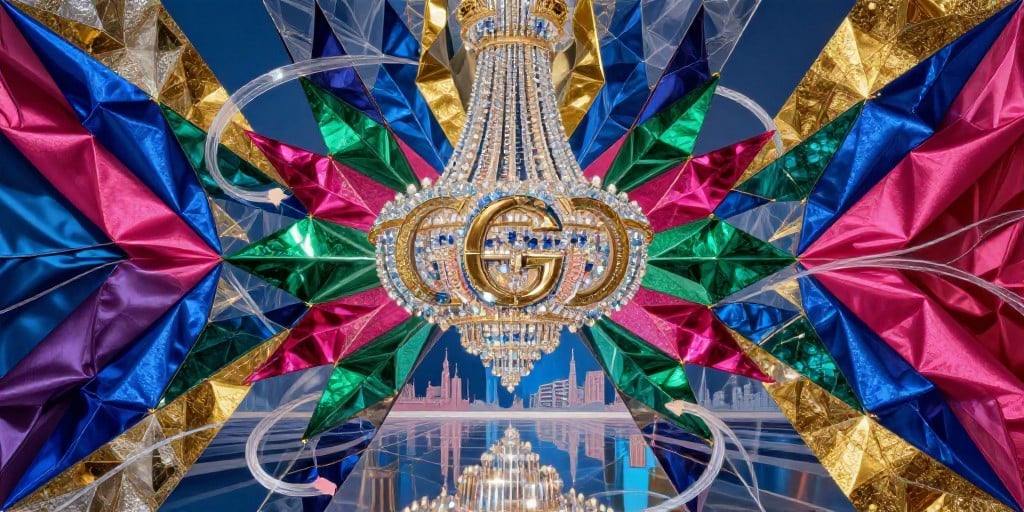
The recent appearance of Paris Hilton at the Kering Foundation’s annual Caring for Women dinner in New York, where she donned a glitter‑laden Gucci gown and a silver clutch while later serving as the DJ for the after‑party, has been widely noted by industry observers. Although the event itself did not yield public statements on new initiatives or strategic shifts, Hilton’s sartorial choices and on‑stage role provide a valuable lens through which to examine current trends in luxury retail, consumer behavior, and omnichannel strategy.
1. Luxury Brands Leveraging Celebrity Endorsements as Omnichannel Signals
Luxury houses are increasingly investing in multi‑faceted brand experiences that blend physical and digital touchpoints. Hilton’s public appearance in a Gucci ensemble—an asset that simultaneously underscores the brand’s heritage and its contemporary relevance—illustrates how high‑profile personalities can catalyse media coverage across social platforms, driving traffic to both brick‑and‑mortar stores and e‑commerce sites. The integration of a celebrity DJ performance further blurs the boundary between product showcase and experiential marketing, a strategy that has proven effective in heightening engagement among Gen Z and Millennial consumers who value immersive experiences.
2. Consumer Goods Trends: From Physical to Digital-First Shopping Journeys
Recent market data indicate a 12% year‑over‑year increase in sales for luxury goods through online channels, a trend that accelerated during the COVID‑19 pandemic and has now stabilized. The shift is not merely transactional; retailers are adopting augmented reality (AR) try‑on tools, virtual fashion shows, and personalized AI‑driven recommendations. Hilton’s glittering appearance, when captured across social media feeds, offers a rich visual dataset that brands can use to refine their digital storytelling. By analyzing engagement metrics—such as video views, time spent on content, and click‑through rates to product pages—companies can calibrate their omnichannel mix to maximize conversion while preserving brand exclusivity.
3. Supply Chain Innovations and Sustainability Impacts
The luxury sector’s supply chain is under pressure to balance speed with sustainability. Kering, the parent group behind Gucci, has committed to achieving net‑zero carbon emissions by 2030. Hilton’s presence at the Caring for Women dinner, an event that foregrounds women’s welfare, dovetails with Kering’s broader sustainability narrative. By showcasing ethically sourced materials and responsible production practices—often highlighted in the storytelling associated with celebrity collaborations—brands can build consumer trust and justify premium pricing. Cross‑sector data show that consumers willing to pay a 10–15% premium for sustainable products are largely concentrated in the luxury and high‑end fashion markets, reinforcing the importance of aligning supply chain innovation with consumer values.
4. Cross‑Sector Patterns in Brand Positioning
- Experience‑Driven Engagement: Across apparel, cosmetics, and home goods, experiential marketing has become the linchpin for differentiating premium brands. The integration of music, celebrity DJs, and immersive displays at events like Kering’s dinner exemplifies this trend.
- Data‑Driven Personalization: Retailers are increasingly deploying machine‑learning models to predict product affinities, tailoring recommendations across both online and offline channels.
- Sustainability as Differentiator: Brands that transparently communicate their supply chain credentials—such as Kering’s sustainability commitments—experience stronger brand loyalty, especially among younger demographics.
5. Short‑Term Market Movements and Long‑Term Industry Transformation
In the immediate aftermath of high‑profile events, luxury brands often see a spike in social media engagement and short‑term sales upticks—particularly in limited‑edition or collaboration lines. However, sustained growth hinges on structural changes:
- Omnichannel Architecture: Seamless integration between physical stores, digital platforms, and experiential events creates a unified consumer journey, reducing friction and reinforcing brand narratives.
- Adaptive Supply Chains: Flexible, responsive supply chains that can quickly pivot to meet shifting consumer demands—whether for ethical sourcing or rapid product iterations—are becoming a competitive moat.
- Data Ecosystems: The convergence of consumer data across touchpoints allows for predictive analytics that inform product development, inventory management, and targeted marketing.
6. Conclusion
While the Caring for Women dinner’s primary focus was philanthropy, the strategic use of celebrity presence—Paris Hilton’s glittering Gucci look and DJ performance—provides a microcosm of contemporary luxury retail dynamics. The event underscores the importance of blending experiential marketing with omnichannel execution, sustainability commitments, and data‑driven personalization to drive both immediate engagement and long‑term transformation in the consumer goods sector. As luxury brands continue to navigate a post‑pandemic landscape, those that adeptly integrate these elements into their core strategies are positioned to thrive amid evolving consumer expectations and market pressures.