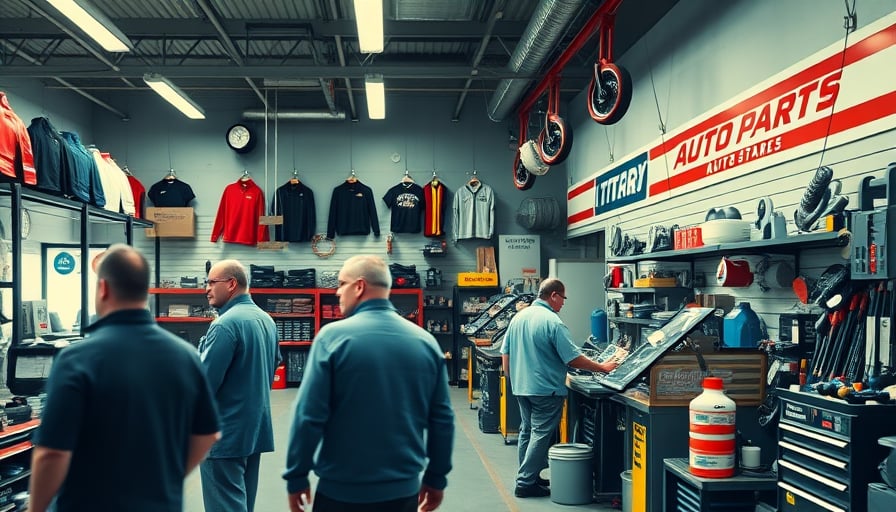
Corporate Outlook: O’Reilly Automotive Inc. and the Resilient Automotive Parts Sector
Overview
O’Reilly Automotive Inc. remains firmly entrenched in a sector that is widely regarded as counter‑cyclical. The company supplies automotive parts and services that consumers rely upon regardless of macroeconomic fluctuations. Its recent trading performance has been marked by consistent sales growth and a sharpened focus on operational efficiency.
Capital Discipline and Shareholder Value
Management’s disciplined capital deployment—particularly the long‑running share‑buyback program—has reduced the share count over the past decade. These actions are intended to enhance shareholder value while preserving the firm’s capacity to invest in inventory, logistics, and infrastructure. By striking this balance, O’Reilly positions itself to sustain growth even as supply‑chain dynamics introduce cost volatility.
Resilience Amid Inflationary Pressures
Market observers have noted that O’Reilly, together with peers such as AutoZone, has historically delivered solid returns during periods of inflationary pressure. This resilience derives from the enduring necessity of vehicle maintenance and part replacement, which typically outpaces discretionary spending on new vehicle purchases. Consequently, analysts regard O’Reilly as a potential hedge against rising consumer costs.
Earnings Performance
The company’s earnings reports have reflected modest increases in comparable sales. Management indicates that margins remain healthy despite price volatility in the broader auto‑parts market. Investors often focus on O’Reilly’s ability to sustain growth through efficient operations while navigating supply‑chain challenges that can impact component costs.
Consumer Discretionary Trends: A Demographic Lens
- Changing Demographics
- Millennials and Gen Z: These cohorts prioritize sustainability and are increasingly interested in vehicle longevity, making them receptive to high‑quality replacement parts.
- Baby Boomers: Retaining a higher proportion of older vehicles, they represent a stable base of maintenance‑driven purchases.
- Economic Conditions
- Inflation and Cost Pressures: As consumers face higher living costs, the emphasis shifts toward maintenance rather than new vehicle acquisition. This trend supports the counter‑cyclical nature of the auto‑parts market.
- Interest Rates and Credit Availability: Tightening credit limits new vehicle purchases, thereby indirectly boosting demand for parts and aftermarket services.
- Cultural Shifts
- DIY Culture: The rise of online instructional content has empowered consumers to perform routine maintenance, expanding the market for OEM and aftermarket parts.
- Urbanization: With more consumers living in cities where public transit and shared mobility are alternatives, vehicle ownership tends to be older and more maintenance‑intensive.
Retail Innovation and Consumer Spending Patterns
- Omni‑Channel Expansion: Retailers such as O’Reilly are investing in integrated online platforms and click‑and‑collect services to meet evolving consumer expectations.
- Personalization: Advanced data analytics enable tailored promotions and inventory management, enhancing conversion rates among price‑sensitive customers.
- Subscription Models: Some competitors are exploring maintenance subscription plans that provide predictable revenue streams while fostering customer loyalty.
Market Research Insights
- Consumer Sentiment Indicators: Surveys show a steady confidence in the necessity of vehicle upkeep, with 68 % of respondents acknowledging that regular maintenance is a priority during economic uncertainty.
- Purchase Behavior: Data from retail point‑of‑sale systems reveal a 3.4 % year‑over‑year increase in parts purchases for vehicles aged 7–10 years, underscoring the longevity effect of older fleets.
Qualitative Reflections on Lifestyle Trends
Lifestyle trends point to an increasing appreciation for vehicle ownership as a reliable means of mobility, especially in regions lacking robust public transit. This perception reinforces the demand for dependable parts and services. Moreover, the growing emphasis on environmental stewardship is prompting consumers to opt for repair over replacement, further supporting the auto‑parts sector.
Conclusion
O’Reilly Automotive Inc. maintains its stature as a steady player in the automotive parts retail space. Its emphasis on share repurchases, operational discipline, and strategic investment in logistics positions the company to navigate economic fluctuations while delivering sustained value to shareholders. Coupled with favorable consumer discretionary trends—driven by demographic shifts, economic conditions, and cultural changes—O’Reilly’s business model remains resilient in the face of evolving market dynamics.