Corporate Development and Operational Resilience in the Energy‑Chemistry Sector
On Thursday, Austrian conglomerate OMV AG announced the formal completion of a merger between its chemical division and Saudi Aramco’s petrochemicals arm, Adnoc. The transaction gives rise to a new entity, Borouge Group International AG, headquartered in Vienna. Under the agreement, the combined group will rank as the world’s fourth‑largest producer of polyolefins, a critical feedstock for packaging, automotive, and construction applications.
Strategic Context
The merger represents a deliberate effort to consolidate supply chains and capitalize on complementary capabilities. OMV’s legacy in catalytic processes and Adnoc’s downstream integration provide a robust platform for scaling production while maintaining a diversified product portfolio. From a capital‑allocation standpoint, the joint venture is expected to unlock synergies in R&D, procurement, and logistics, thereby enhancing the competitive positioning of the new group against peers such as Sinopec, INEOS, and Braskem.
The polyolefins market is currently shaped by a confluence of factors:
- Demand recovery driven by a rebound in consumer spending and automotive production.
- Supply constraints stemming from the 2022‑23 supply‑chain disruptions, which have tightened price elasticity.
- Regulatory pressures on plastic packaging, pushing manufacturers toward high‑value, recyclable grades.
By positioning itself as a major player in this sector, Borouge Group International AG gains access to long‑term contracts with global OEMs and the ability to leverage economies of scale in raw‑material procurement, especially ethylene and propylene feedstocks sourced from the Saudi Gulf region.
Operational Setback
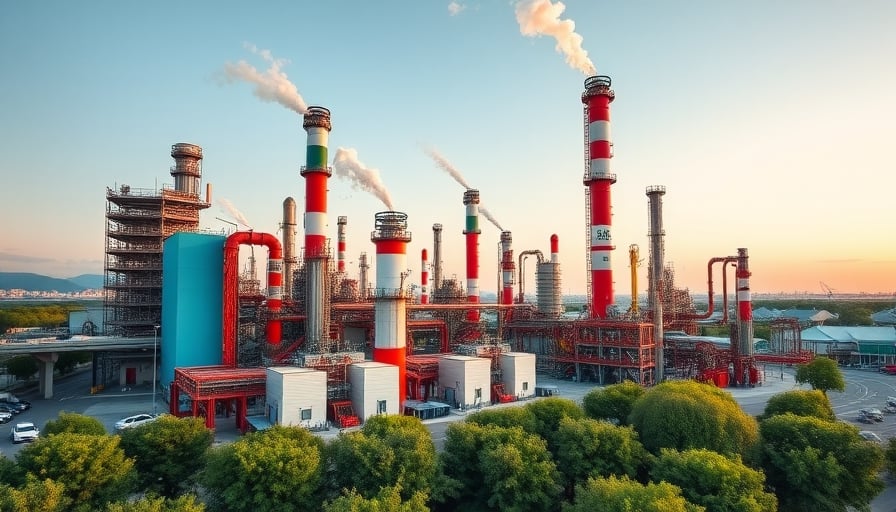
During the weekend, facilities in the United Arab Emirates (UAE) that belong to the newly formed entity were affected by debris from an Iranian missile strike. A fire erupted but was extinguished swiftly, resulting in no reported injuries. Production was temporarily halted pending damage assessment and repairs.
While the incident introduced a short‑term disruption, OMV’s management reassured stakeholders that the company’s robust cash‑flow generation and liquidity position are sufficient to absorb the shock. This resilience aligns with broader industry expectations that large integrated firms can weather geopolitical risks through diversified operations and strong balance sheets.
Financial Implications
The merger and the subsequent operational hiccup have coincided with a near‑peak trading level for OMV’s shares, hovering around €63—the highest valuation since its 1987 listing. Analysts interpret this upward momentum as a reflection of market confidence in the company’s strategic direction and its capacity to deliver value through both core oil and expanding petrochemical businesses.
OMV’s dividend policy remains a key driver of investor interest. The firm’s historical commitment to a high payout ratio, coupled with expectations of sustained cash‑flow generation post‑merger, suggests that dividends will remain attractive for the foreseeable future. The alignment of dividend policy with cash‑flow sustainability is particularly notable in an industry characterized by high capital expenditures and cyclical revenue streams.
Broader Economic Linkages
The merger underscores the increasing convergence between the traditional oil & gas sector and the downstream chemical industry, a trend that is reshaping capital allocation across the energy spectrum. Moreover, the incident in the UAE illustrates how geopolitical risks can spill over into operational domains, reinforcing the need for robust risk‑management frameworks in global supply chains.
In a broader economic sense, the formation of Borouge Group International AG and its status as a top‑tier polyolefin producer dovetail with the United Nations’ Sustainable Development Goals, particularly those pertaining to responsible consumption and production. By potentially investing in advanced recycling technologies and higher‑grade polymers, the new entity could play a pivotal role in addressing plastic waste challenges while sustaining growth.
Conclusion
OMV AG’s strategic partnership with Adnoc to form Borouge Group International AG marks a significant milestone in the global petrochemical landscape, positioning the new group among the leaders in polyolefin production. While a recent operational setback in the UAE introduced short‑term production delays, the company’s financial robustness and strategic depth provide confidence that the disruption will be absorbed without compromising long‑term objectives. The market’s positive reception—evidenced by a record share price and a solid dividend outlook—signals that investors value the integrated approach to growth and risk mitigation inherent in this corporate development.