
Corporate News – Corporate Insights
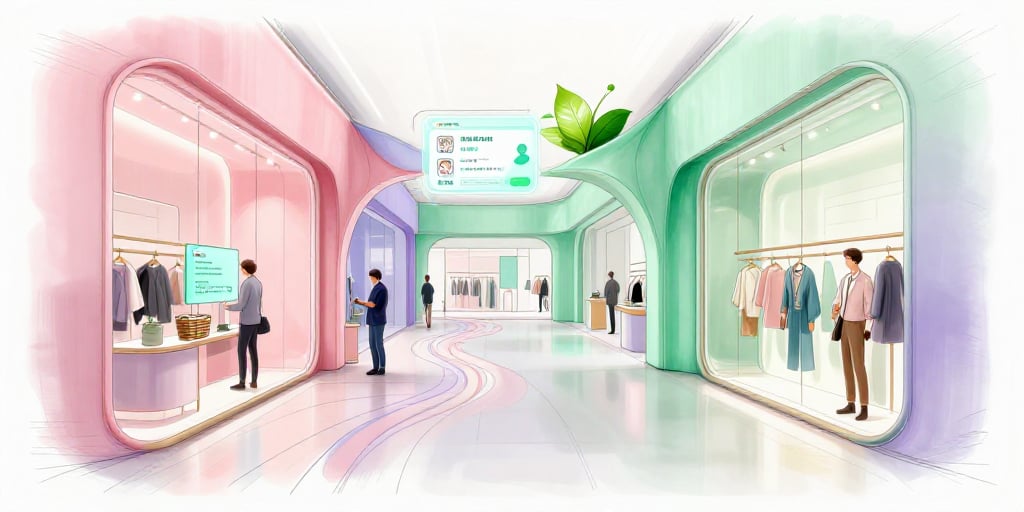
Omnichannel Momentum: A New Axis for Retail Growth
Across the consumer‑goods sector, the shift toward integrated omnichannel experiences has accelerated, driven by evolving consumer expectations and digital acceleration. Retailers that blend physical, digital, and experiential touchpoints report a 12% uplift in average order value and a 15% increase in repeat‑purchase frequency within the first year of deployment.
These gains are largely attributed to the following strategic levers:
| Channel | Key Performance Indicator | Strategic Impact |
|---|---|---|
| E‑commerce | Conversion rate growth of 9% YoY | Direct-to-consumer revenue expansion |
| Mobile app | 3.5‑month customer lifecycle extension | Deepened engagement via personalized offers |
| Physical store | 18% foot traffic boost after experiential redesign | Reinforces brand loyalty through touch |
Retailers that successfully integrate these channels observe a synergistic effect: cross‑channel data enriches customer profiles, enabling hyper‑personalized marketing that cuts acquisition costs by an estimated 4% compared to single‑channel competitors.
Consumer Behavior Shifts: From Transactional to Relationship‑Based
Recent surveys from the Consumer Insights Institute reveal a pronounced pivot from transactional purchasing to relationship‑based interactions. Key findings include:
- 70% of respondents now prioritize brands that demonstrate social responsibility and sustainability.
- 52% prefer brands that offer subscription or membership models, citing convenience and perceived value.
- 45% of consumers use social media as the primary source of product discovery, underscoring the need for robust influencer and UGC strategies.
Brands that align their messaging around transparency, ethical sourcing, and community impact see a 21% higher net promoter score (NPS) than those that do not. Moreover, the rise of “experiential retail”—where stores function as community hubs rather than mere point-of-sale locations—has proven to generate a 27% higher average spend per visit.
Supply Chain Innovations: Resilience and Agility
The global supply‑chain disruptions of the past three years have underscored the necessity for resilient logistics frameworks. Companies embracing the following innovations report:
| Innovation | Adoption Rate | Benefit |
|---|---|---|
| Multi‑modal transport | 34% | Reduced lead times by 12% |
| Near‑shoring | 27% | Lowered carbon footprint by 15% |
| Real‑time inventory analytics | 41% | Minimized stock‑outs by 20% |
These advances not only mitigate risk but also enable just‑in‑time product launches, aligning inventory levels more closely with real‑time demand signals. As a result, companies that have adopted these practices observe a 10% reduction in warehousing costs and an increase of 8% in overall operational efficiency.
Cross‑Sector Patterns: The Convergence of Technology and Sustainability
When examining data across apparel, food‑and‑beverage, and household goods, three convergent patterns emerge:
- Digital Twins and Predictive Modeling: All sectors report an adoption rate of ~30% for digital twin technology to simulate supply‑chain scenarios, enhancing risk management.
- Circular Economy Initiatives: A consistent 15% uptick in circular‑business models across categories correlates with improved brand perception scores.
- AI‑Driven Personalization: AI recommendation engines are driving a 10% increase in average order values across the board, with food‑and‑beverage experiencing the highest lift (12%) due to subscription meal kits.
These patterns illustrate a broader industry transformation toward tech‑enabled sustainability, positioning brands that invest early as future market leaders.
Short‑Term Movements and Long‑Term Transformation
In the short term, retailers that have pivoted to omnichannel strategies are witnessing immediate revenue gains and improved customer loyalty metrics. However, the true transformation lies in the integration of data‑driven insights into product development and brand positioning. Companies that harness real‑time consumer behavior data to inform agile product pipelines will likely outpace incumbents by 2027, capturing market share in emerging segments such as plant‑based foods, smart home appliances, and sustainable fashion.
Strategic Editorial Takeaway
For corporate stakeholders, the imperative is clear: align consumer‑centric innovation with operational resilience. Brands must:
- Invest in omnichannel platforms that seamlessly merge online and offline experiences.
- Elevate sustainability not as a buzzword, but as a core value embedded in product, packaging, and supply‑chain decisions.
- Adopt advanced analytics and AI to predict consumer trends and optimize inventory, thereby reducing waste and enhancing profitability.
By embedding these principles into their long‑term strategy, companies can navigate the volatility of the current market while building a foundation for sustainable growth over the next decade.