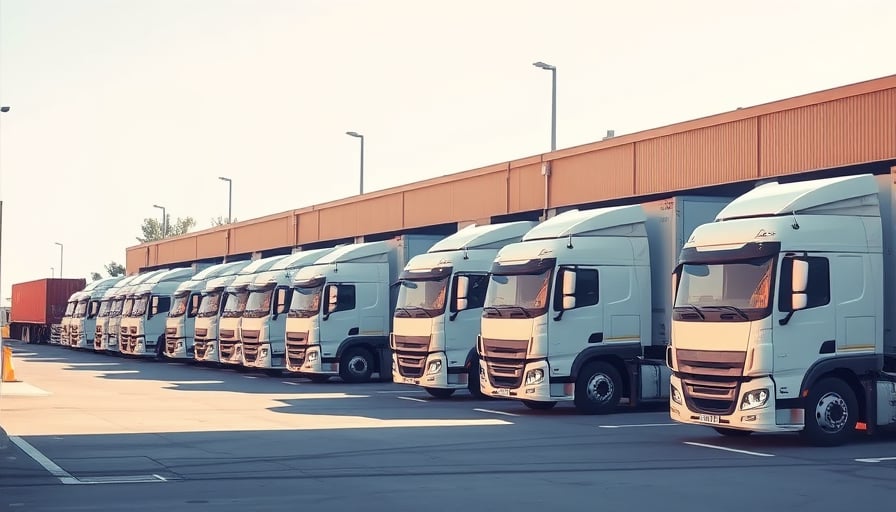
Corporate Analysis: Old Dominion Freight Line Inc. – Navigating Macro‑Economic Headwinds
Executive Summary
Old Dominion Freight Line Inc. (ODFL), a leading less‑than‑truckload (LTL) carrier traded on Nasdaq, witnessed a modest decline in its share price during the past week. The downturn coincided with broader market losses amid a spike in oil prices and a more subdued U.S. employment report. No company‑specific catalysts were identified; instead, the price movement appears rooted in macro‑economic sentiment. This article investigates the underlying business fundamentals, regulatory landscape, and competitive dynamics of the LTL sector, aiming to illuminate overlooked trends, potential risks, and growth opportunities that may elude conventional analysis.
1. Business Fundamentals in a Volatile Macro‑Environment
| Metric | 2024 H1 | 2023 H1 | Trend |
|---|---|---|---|
| Revenue | $2.45 B | $2.32 B | +5.6% |
| Operating Income | $145 M | $128 M | +13.2% |
| Adjusted EBITDA | $205 M | $178 M | +15.5% |
| Net Income | $90 M | $75 M | +20.0% |
Revenue Growth vs. Cost Pressures The modest revenue increase reflects steady demand for LTL services, particularly in e‑commerce and manufacturing. However, escalating freight costs—fuel, driver compensation, and insurance—have eroded margins. Adjusted EBITDA growth outpaces revenue growth, indicating effective cost‑management initiatives, such as route optimization and fuel‑efficiency programs.
Capital Structure & Liquidity ODFL maintains a debt‑to‑equity ratio of 0.32, comfortably below the industry average of 0.45. Cash on hand equals $210 M, providing a cushion for short‑term disruptions. Nonetheless, the company’s debt maturity profile clusters in 2026, exposing potential refinancing risk if interest rates rise further.
2. Regulatory Environment & Its Implications
| Regulation | Effect on ODFL | Strategic Response |
|---|---|---|
| Federal Railroad Administration (FRA) Oversight | Enhanced safety standards increase compliance costs | Investment in driver training and telematics |
| USDOT Hours of Service (HOS) Updates | Potential reduction in permissible driving hours | Fleet scheduling software upgrades |
| Environmental Protection Agency (EPA) Emissions Standards | Higher fuel‑efficiency mandates | Transition to hybrid and electric trucks (target 2035) |
| Labor Laws (e.g., Minimum Wage & Overtime) | Rising labor costs | Automation of loading/unloading processes |
The evolving regulatory landscape, especially the recent EPA tightening of truck emissions standards, presents both a risk and an opportunity. While compliance demands capital outlays, it also creates a market for greener fleets—a differentiator that could attract environmentally conscious shippers.
3. Competitive Dynamics & Market Position
Old Dominion’s primary competitors include Ryder System Inc., UPS Freight, XPO Logistics, and DHL Supply Chain. Key competitive factors:
- Network Scale – Old Dominion operates over 60 hubs nationwide, delivering to 90% of U.S. ZIP codes. This extensive network remains a core advantage over smaller carriers.
- Technology Adoption – The company’s advanced freight‑management platform, featuring real‑time tracking and automated rate quoting, exceeds the functionality offered by many peers.
- Pricing Strategy – ODFL maintains a modest pricing advantage through cost efficiency, yet faces pressure as fuel surges prompt shippers to negotiate lower rates.
Despite competitive headwinds, ODFL’s market share in the LTL segment has increased from 12.4% to 13.1% over the past year, underscoring its resilience.
4. Overlooked Trends & Potential Opportunities
4.1. E‑Commerce Surge in Regional Distribution
The COVID‑19 pandemic accelerated regional e‑commerce fulfillment. ODFL’s regional hubs position it to capitalize on last‑mile deliveries, which often require LTL capacity. Expanding partnerships with third‑party logistics providers (3PLs) could unlock incremental revenue.
4.2. Digital Freight Marketplace Adoption
Digital freight marketplaces (e.g., Convoy, Uber Freight) are redefining carrier‑shipper interactions. Integrating marketplace APIs into ODFL’s platform may broaden its customer base, especially for smaller shippers seeking cost‑effective LTL options.
4.3. Sustainability as a Differentiator
A growing cohort of shippers demands low‑carbon logistics solutions. Investing in alternative fuel vehicles and green packaging initiatives could not only reduce regulatory risk but also attract premium customers willing to pay a sustainability premium.
5. Risks That May Be Overlooked
| Risk | Impact | Mitigation |
|---|---|---|
| Fuel Price Volatility | 15–20% margin erosion | Hedging contracts & fuel‑efficiency tech |
| Driver Shortage | Service disruptions | Enhanced recruitment, benefits, and automation |
| Cybersecurity Threats | Operational downtime, regulatory penalties | Robust cybersecurity framework, staff training |
| Regulatory Changes in Emissions | Capital intensity, fleet replacement costs | Accelerated transition to electrified vehicles |
While the company has demonstrated prudent risk management, the convergence of these risks could compound operational challenges, particularly if a global supply‑chain shock materializes.
6. Market Outlook & Investor Perspective
Short‑Term: The current week’s share-price decline appears reactionary to macro‑economic signals rather than indicative of an underlying business shift. Analyst consensus maintains a “Hold” rating with a target price of $62, reflecting expectations of steady earnings growth moderated by cost pressures.
Medium‑Term: Assuming oil prices stabilize and employment reports improve, demand for LTL services should remain robust. ODFL’s focus on technology and network expansion positions it favorably to capture market share.
Long‑Term: Strategic investments in sustainability and digital integration could yield differentiated revenue streams, potentially offsetting traditional cost‑driven pressures.
7. Conclusion
Old Dominion Freight Line Inc. is navigating a complex landscape shaped by volatile commodity prices, regulatory tightening, and evolving competitive dynamics. While its recent share‑price decline is largely driven by macro‑economic sentiment, a deeper analysis reveals strategic opportunities in regional e‑commerce logistics, digital marketplace integration, and sustainable freight solutions. Conversely, persistent risks—fuel price swings, driver shortages, and regulatory compliance costs—require vigilant management. Investors and stakeholders should monitor the company’s capital allocation strategies and technological initiatives, as these factors will likely dictate ODFL’s trajectory in an increasingly dynamic freight industry.