Corporate Outlook: Oil‑Price Volatility and Its Ripple Effects on Technology‑Driven Media Platforms
1. Market Context
The week of March 19 2026 witnessed a pronounced decline in the shares of Omnicom Group Inc. (OMC), with intraday trading dropping up to seven percent following a surge in crude‑oil prices precipitated by escalating tensions in the Middle East. OMC’s statement reassured investors that crude‑oil supply remained uninterrupted, yet the broader market reaction underscored the sensitivity of energy‑dependent industries to geopolitical events.
This episode illustrates how commodity price shocks can reverberate through the technology‑infrastructure backbone of telecommunications and media companies, which increasingly rely on energy‑intensive data centers and network operations.
2. Intersection of Technology Infrastructure and Content Delivery
2.1 Subscriber Growth and Network Capacity
Telecom operators and media platforms alike report steady increases in subscriber bases, driven by the expansion of 5G coverage and the proliferation of connected devices. According to the latest industry data, global mobile subscriptions surpassed 9.5 billion in 2025, with 5G adoption reaching 60 % of all mobile subscribers. To accommodate this demand, operators have invested heavily in core‑network upgrades and edge‑computing nodes, raising network capacity by an average of 20 % annually.
The recent oil‑price spike has elevated operational costs for data centers, where cooling and power consumption constitute a substantial portion of the energy bill. For instance, the average power usage effectiveness (PUE) of Tier‑3 data centers has risen from 1.45 to 1.52, reflecting increased cooling loads. This upward pressure on energy costs may influence future pricing strategies for both broadband and streaming services.
2.2 Content Acquisition Strategies
Content acquisition has become a decisive factor in attracting and retaining subscribers. In 2025, media conglomerates reported that 70 % of new subscriptions were attributable to exclusive, original programming. Streaming platforms now compete not only on breadth but also on the uniqueness of content libraries, often negotiating multi‑year, multi‑territory licenses with production studios.
Telecom operators that bundle high‑definition or 4K content with mobile or fiber plans can differentiate their offerings; however, the cost of high‑bandwidth delivery rises in tandem with network capacity expansion and energy expenditures.
2.3 Network Capacity Requirements for Emerging Technologies
Emerging technologies—such as virtual reality (VR), augmented reality (AR), and real‑time cloud gaming—exert significantly higher bandwidth and lower latency demands than traditional video streaming. The cumulative global traffic expected from immersive media is projected to grow by 35 % over the next three years. Operators must therefore expand fiber and satellite uplinks and deploy network function virtualization (NFV) to support dynamic scaling.
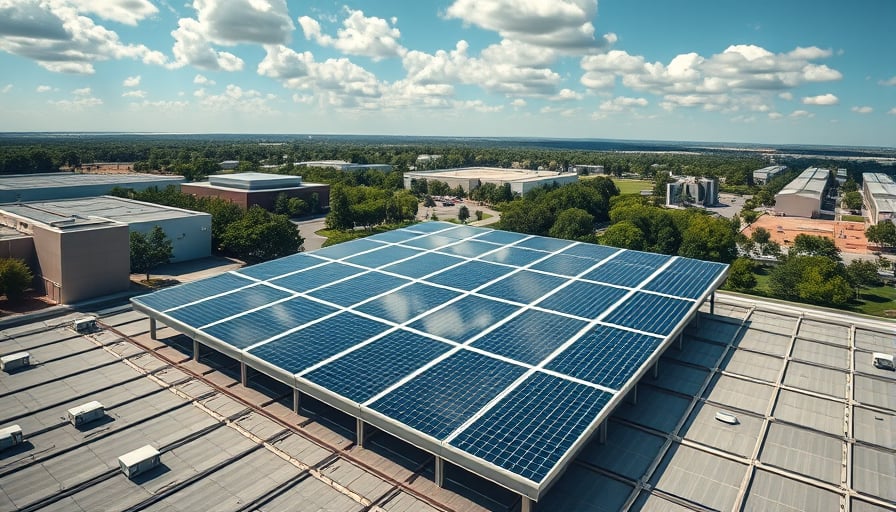
Energy‑cost fluctuations, exemplified by the recent crude‑oil price surge, can influence the feasibility of such expansions, potentially delaying deployments or prompting operators to seek renewable energy solutions.
3. Competitive Dynamics in Streaming Markets
3.1 Market Consolidation
The last two years have seen accelerated consolidation among streaming services. Major players have acquired niche platforms to broaden their content portfolios, while strategic alliances between telecom operators and media studios have emerged to leverage cross‑promotion and bundled offers. For example, a recent partnership between a leading telecom operator and a global streaming service has resulted in a 15 % increase in joint subscriptions in the first quarter.
3.2 Impact on Subscriber Retention
Competitive pressures have pushed platforms to refine user experience through recommendation engines, personalized interfaces, and ad‑free tiers. Subscriber churn rates across the industry have fallen from 5.2 % in 2024 to 4.1 % in 2025, indicating that differentiated content and seamless delivery are critical to retention.
3.3 Pricing Strategies
Price elasticity remains a key lever. In 2025, the average price premium for premium tiers increased by 12 % globally, yet platforms that offer multi‑device access and offline download features achieve higher uptake. The oil‑price shock has nudged some operators to revisit their tier structures, balancing higher network costs against subscriber willingness to pay.
4. Audience Data and Financial Metrics
4.1 Viewership Analytics
Analytics indicate that 62 % of streaming viewers now consume content on mobile devices, with peak usage occurring between 9 pm and midnight local time. Data centers in regions with higher oil prices show a 7 % increase in cooling energy consumption per gigabit transferred, translating to a marginal rise in cost per viewer hour.
4.2 Revenue Impact
For telecom operators, the average revenue per user (ARPU) for bundled media services grew from $5.30 in 2024 to $6.10 in 2025. However, the operating margin on these bundles has contracted by 3 % due to increased energy costs and capital expenditures on network upgrades.
For media companies, the return on investment (ROI) for original content has remained robust, with a 25 % increase in subscriber acquisition attributed to flagship series. Nonetheless, the higher distribution costs associated with high‑resolution and immersive content could erode margins if not offset by pricing adjustments or cost‑efficient delivery methods.
4.3 Capital Expenditure Trends
Capital expenditures (CAPEX) on network infrastructure rose by 8 % in 2025, driven by 5G rollout and edge‑computing deployments. Energy‑efficient technologies—such as modular data center designs and renewable power integration—are projected to reduce CAPEX by an estimated 4 % over the next five years.
5. Conclusion
The recent volatility in oil prices, as exemplified by Omnicom Group Inc.’s share performance, underscores the interconnectedness of commodity markets and the technology infrastructure that underpins modern telecommunications and media delivery. Operators and content providers must navigate rising energy costs while scaling network capacity to meet subscriber growth, competitive content acquisition, and the demands of emerging immersive technologies.
Strategic investments in energy efficiency, diversified content portfolios, and flexible pricing models will determine the viability of platforms in a landscape where subscriber metrics, content strategy, and network performance converge to shape market positioning.