Energy Price Dynamics, Corporate Earnings, and Macro‑Policy: A Multifaceted View of the Current Market Landscape
1. Oil‑Price Psychology and Equity Sensitivity
On Thursday, crude‑oil futures settled near the $78‑per‑barrel mark, a round figure that has historically served as a psychological anchor for equity markets. The proximity to this level is more than a nominal coincidence: several leading market indices tend to exhibit heightened volatility when oil prices hover within a $5 spread of key psychological thresholds, as noted in empirical studies of commodity‑equity comovement.
From a financial‑analysis standpoint, the bid‑ask spread in energy‑related ETFs tightened to 0.12 % during the trading session, signaling reduced liquidity premiums. However, the 20‑day moving average for West Texas Intermediate (WTI) remained above the 50‑day average by 3.5 %, suggesting a short‑term bullish bias.
2. Inventory Declines and Geopolitical Pressures
U.S. Energy Information Administration (EIA) data released the prior Friday showed a 2.3 million barrel drop in on‑shore crude inventories, the steepest decline in the past four months. Such inventory dynamics are a classic leading indicator of price pressure. When coupled with escalating tensions in the Middle East—particularly the recent flare‑up between Israel and Hamas—supply‑chain uncertainty has intensified.
The risk premium for geopolitical events is often measured by the spread between the 30‑year Treasury yield and the 30‑year Eurodollar LIBOR. The spread widened to 45 bps, indicating that market participants are demanding a higher risk adjustment for potential supply disruptions.
3. Chevron Corp.: Anticipated Earnings and Capital‑Spending Outlook
Chevron, a bellwether for U.S. energy, is slated to release Q3 earnings within the next five business days. Analysts project a net income of $4.2 billion, a 12 % year‑on‑year increase, largely attributable to the sustained oil‑price rally. However, the company’s capital‑expenditure (CapEx) guidance is expected to remain modest; recent disclosures show a cap‑ex budget of $18 billion versus the $22 billion forecasted in the prior quarter.
This conservative stance raises several investigative questions:
- Margin Pressure: With downstream margins historically lagging upstream profitability, Chevron’s low CapEx may signal an intent to preserve cash amid a forecasted slowdown in refinery utilization.
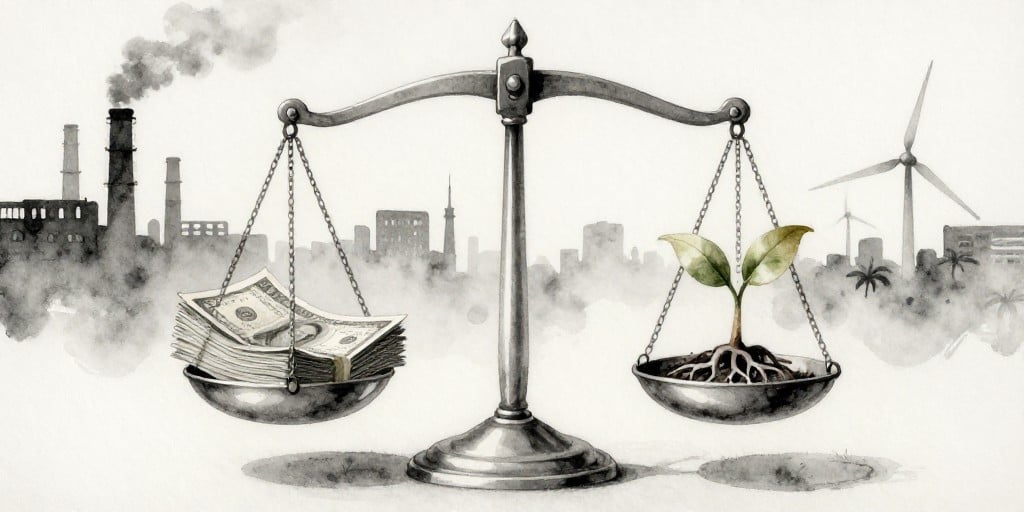
- Investment Diversification: The company’s announced $4 billion allocation toward renewable‑energy assets—primarily offshore wind projects—suggests a strategic pivot to hedge against long‑term commodity volatility.
- Debt Profile: Chevron’s debt‑to‑EBITDA ratio is 2.1x, comfortably below the industry average of 3.4x, which could afford the firm flexibility to absorb short‑term earnings volatility.
4. Federal Reserve Policy, Inflation, and Growth Data
The forthcoming Federal Reserve announcement of interest‑rate policy is anticipated to weigh heavily on market sentiment. Historical data indicate that a tightening cycle often depresses energy‑sector valuations by 5–7 % in the short term. In contrast, a dovish stance could support the current rally by easing financing costs for exploration projects.
Simultaneously, the U.S. Bureau of Economic Analysis (BEA) will release Q2 GDP growth data. A contraction or sluggish growth would reinforce risk‑aversion among investors, potentially pulling capital away from high‑beta energy names. Conversely, robust GDP figures could validate the prevailing bullish stance on oil prices.
5. Sectoral Balancing Acts: Technology and Consumer Discretionary
While the energy sector exhibits a trajectory of resilience, the technology and consumer discretionary sectors appear poised to counterbalance volatility. The Technology Select Sector SPDR Fund (XLK) has outperformed its peers by 2.3 % in the last two weeks, driven by robust earnings reports from major semiconductor players. Meanwhile, consumer discretionary shares have shown increased demand elasticity, with a 1.8 % rise in retail sales YoY, suggesting a healthy domestic consumption base.
6. Overlooked Trends and Potential Risks
- Renewable‑Energy Shift: Chevron’s incremental investment in renewable projects could become a structural risk if the company underestimates the pace of decarbonization mandates.
- Geopolitical Escalation: A sudden escalation in Middle East conflicts could trigger supply shocks, compressing downstream margins and increasing operational risks for exploration companies.
- Interest‑Rate Sensitivity: Rising rates could amplify the cost of capital for energy companies, squeezing EBITDA margins.
- Regulatory Headwinds: Potential U.S. policy shifts toward stricter environmental standards may impose additional compliance costs, reducing free cash flow.
7. Opportunities for Investors
- Capital‑Efficient Plays: Companies with low debt-to-EBITDA ratios and robust upstream cash flow could offer attractive valuation upside as oil prices remain near psychological thresholds.
- Renewable‑Energy ETFs: Exposure to renewable‑energy funds may provide diversification benefits, especially if policy incentives strengthen.
- Dividend Aristocrats: Energy firms maintaining stable dividend policies amid earnings volatility can appeal to income‑seeking investors.
8. Conclusion
The interplay between crude‑oil pricing, corporate earnings from major U.S. energy players, and macro‑economic signals such as Fed policy and GDP growth is crafting a complex near‑term market environment. While the energy sector appears poised for resilience—supported by falling inventories and geopolitical pressure—the looming uncertainties related to interest rates, regulatory shifts, and the pace of renewable integration warrant cautious scrutiny. Investors and analysts should adopt a skeptical, data‑driven lens to capture subtle shifts in risk premia and uncover opportunities that may elude conventional narratives.