Corporate Update: Non‑Recourse Financing Secured for ENC HPAL Project
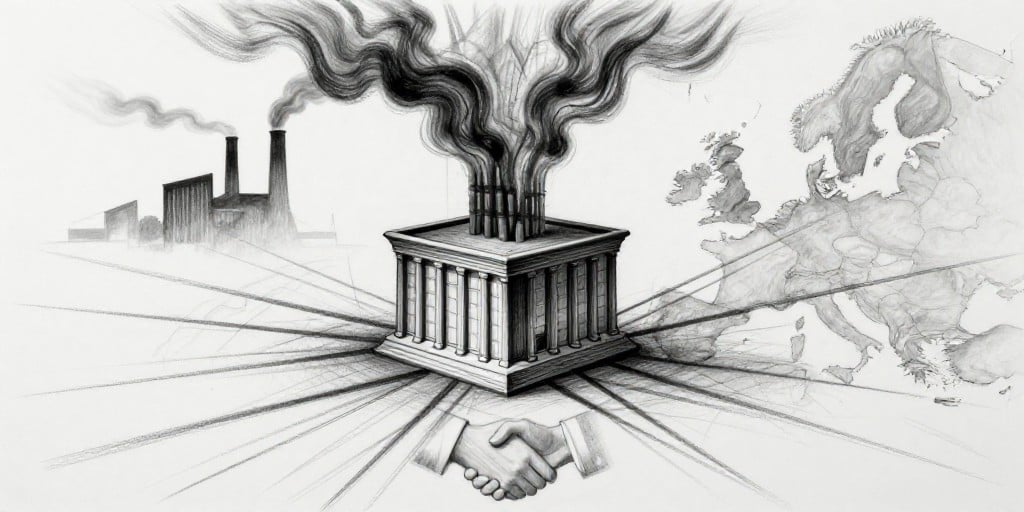
Oversea‑Chinese Banking Corporation (OCBC) has confirmed that all prerequisites for the non‑recourse financing of the Excelsior Nickel Cobalt (ENC) high‑pressure acid leach (HPAL) project have been satisfied, with the first drawdown slated for the current day. This milestone follows PT Fajar Metal Industry, the Indonesian operating entity of ENC, receiving its industrial business licence—an essential regulatory step that authorises commercial sales of refined nickel and cobalt products.
Project Context and Strategic Significance
ENC is designed to operate a comprehensive value chain, spanning ore extraction, processing, and the manufacture of finished nickel and cobalt metals. By integrating upstream and downstream activities, the project promises to:
- Boost Revenue Generation: Full control over the supply chain enables the company to capture higher margins compared to conventional commodity trading models.
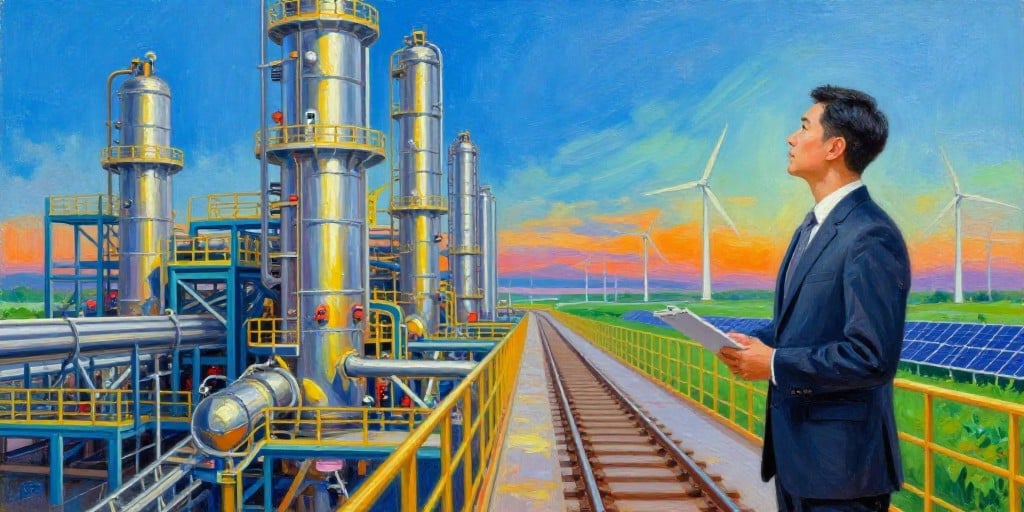
- Lower Carbon Footprint: The HPAL technology is engineered to reduce emissions and water consumption relative to traditional hydrometallurgical methods, aligning with the growing demand for environmentally responsible supply chains.
The financing secured by OCBC will enable ENC to transition from construction to commissioning, accelerating the ramp‑up of nickel metal output and the production of battery‑grade cobalt components. This aligns with the broader industry push toward electrification, where high‑quality nickel and cobalt are pivotal for next‑generation lithium‑ion batteries.
Market Dynamics and Competitive Positioning
The global battery supply chain is undergoing a rapid shift toward localized, high‑purity critical metal production. Key drivers include:
- Electric Vehicle (EV) Adoption: Automakers worldwide are escalating EV production, creating sustained demand for battery‑grade metals.
- Geopolitical Pressures: Nations are seeking supply‑chain resilience, reducing reliance on single-source suppliers and mitigating risks associated with trade disruptions.
- Sustainability Imperatives: Regulatory frameworks and consumer preferences increasingly favour low‑carbon production pathways.
ENC’s integrated model positions it favorably against competitors that rely on fragmented supply chains. By owning both extraction and refining stages, the company can more effectively manage price volatility, quality assurance, and regulatory compliance. Moreover, the project’s emphasis on sustainability may provide a competitive edge in markets where ESG (environmental, social, governance) metrics influence procurement decisions.
Financial and Institutional Implications
OCBC’s commitment reflects a strategic alignment with the nickel industry’s transition toward battery‑grade materials. The bank’s involvement brings:
- Capital Efficiency: Non‑recourse financing minimizes the borrower’s risk exposure, enhancing the attractiveness of the project to potential investors.
- Institutional Confidence: OCBC’s endorsement signals robust credit risk assessment, potentially easing future financing rounds and attracting additional institutional capital.
- Supply‑Chain Resilience: By supporting ENC’s commissioning, OCBC contributes to diversifying the global supply of critical battery metals, reinforcing supply‑chain stability for its corporate clients and the wider financial ecosystem.
Conclusion
The successful drawdown for ENC’s HPAL project marks a significant advancement in the development of a vertically integrated, low‑carbon nickel and cobalt supply chain. Through strategic financing and regulatory compliance, OCBC is reinforcing its role as a catalyst for sustainable resource development while aligning with the accelerating momentum of the global shift toward electric mobility.