
Corporate Developments at NRG Energy Inc. and Implications for Power Generation, Transmission, and Distribution
Market Performance Context
On February 11 2026, NRG Energy Inc. (NYSE: NRG) registered a modest increase in its share price despite a broader market decline. This outperformance has drawn analyst attention, leading investors to reassess the timing of potential purchases. While the price movement itself is a short‑term market phenomenon, it reflects underlying confidence in NRG’s strategic initiatives, particularly in expanding gas‑turbine generation and integrating renewable resources.
Joint Venture with GE Vernova and TIC
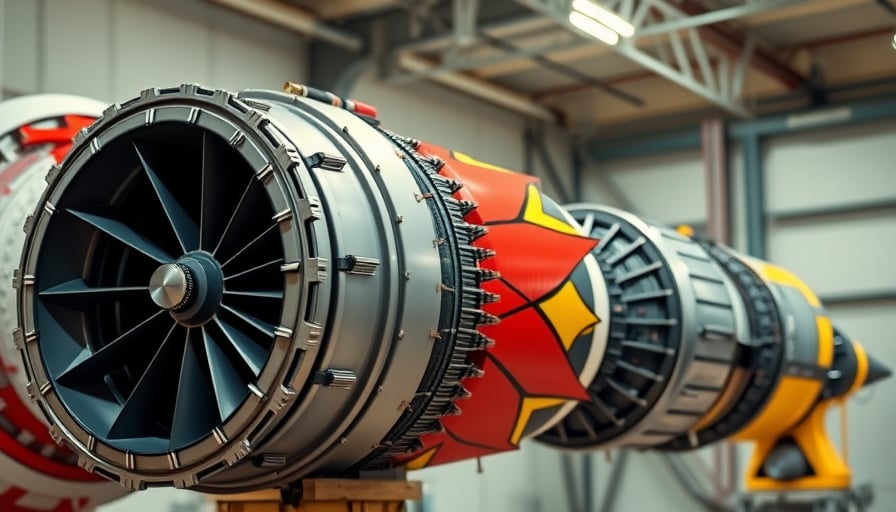
NRG announced a joint venture with GE Vernova and The Interconnect Company (TIC). The partnership aims to accelerate the deployment of gas‑turbine based generation capacity across the United States. This initiative is a direct response to the rising power demand driven by artificial‑intelligence (AI) workloads, which require high‑capacity, low‑latency, and highly reliable electricity supplies.
Technical Rationale for Gas‑Turbine Expansion
- Flexible Dispatchability – Gas turbines provide rapid start‑up and shut‑down capabilities, allowing utilities to respond to sudden load spikes typical of AI data centers.
- High‑Efficiency Combustion – Modern combined‑cycle gas turbines achieve thermal efficiencies exceeding 60 %, reducing fuel consumption per megawatt‑hour (MWh).
- Scalability – Modular turbine units can be staged, enabling incremental capacity additions that match projected demand growth.
Integration with Renewable Energy Sources
The joint venture also plans to interconnect new turbine units with existing renewable portfolios (solar, wind, and battery storage). This hybrid approach offers several grid‑stability benefits:
- Voltage Regulation – Gas turbines can provide dynamic voltage support, compensating for intermittent renewable output.
- Frequency Control – Rapid inertia and synthetic inertia services from gas plants help dampen frequency excursions caused by renewable variability.
- Spinning Reserve – Turbines can serve as a spinning reserve, ensuring reliability during renewable curtailments or transmission contingencies.
Grid Stability and Renewable Integration Challenges
The U.S. power grid is undergoing a transformation, with renewables now accounting for a substantial share of installed capacity. However, high penetrations of solar and wind introduce several stability challenges:
- Reduced System Inertia – Traditional synchronous generators contribute inertia; their displacement by inverter‑based renewables diminishes frequency response.
- Voltage Fluctuations – Rapidly changing renewable generation can lead to voltage sags or swells, especially in remote or weakly meshed transmission corridors.
- Power Flow Variability – Variable renewable outputs can cause bidirectional power flows, stressing transmission assets and complicating congestion management.
The introduction of gas‑turbine generation mitigates these risks. Turbines can operate in both grid‑connected and islanded modes, providing ancillary services such as:
- Synthetic Inertia – By rapidly adjusting turbine speed and power output, gas plants emulate the inertial response of synchronous generators.
- Fast Frequency Response – Turbines can provide up to 15 MW of fast frequency support within a few seconds of a frequency dip.
- Dynamic Voltage Support – On‑load tap changers and power electronic converters in gas plants can regulate voltage with high precision.
Infrastructure Investment Requirements
To sustain grid reliability amidst growing renewable penetration, significant infrastructure investments are essential:
| Asset Type | Investment Scale | Rationale |
|---|---|---|
| Transmission Upgrades | $50–$80 billion (2026–2035) | Enhances bulk power transfer, mitigates congestion, and supports inter‑regional renewable dispatch. |
| Substation Modernization | $10–$15 billion | Enables high‑voltage DC (HVDC) links, smart grid controls, and improved fault tolerance. |
| Distributed Energy Resources (DER) Integration | $5–$8 billion | Facilitates bidirectional flows, local storage, and demand response. |
| Grid Automation & Control Systems | $3–$5 billion | Implements real‑time monitoring, adaptive protection, and AI‑driven dispatch algorithms. |
NRG’s partnership with GE Vernova and TIC is strategically aligned with these investment priorities. By leveraging GE Vernova’s advanced turbine technology and TIC’s transmission expertise, the joint venture can deliver cost‑effective, scalable generation assets that complement renewable expansion.
Regulatory Frameworks and Rate Structures
Federal and State Policies
- Federal Energy Regulatory Commission (FERC) – Sets market rules for wholesale power markets and mandates grid reliability standards (e.g., FERC Order 2222 on data sharing).
- State Renewable Portfolio Standards (RPS) – Require utilities to source a specified percentage of electricity from renewable resources, driving capacity additions.
- Clean Power Plan Updates – State-level emission regulations influence fuel mix decisions, favoring low‑carbon gas turbines over coal.
Rate Design and Economic Impacts
- Energy‑Only vs. Capacity Markets – In capacity markets, utilities pay for guaranteed availability; gas turbines provide low marginal costs, improving revenue streams.
- Ancillary Services Compensation – Markets for frequency response and voltage support create new revenue channels for gas plants offering fast services.
- Time‑of‑Use Tariffs – Higher peak tariffs incentivize utilities to deploy flexible generation, reducing overall system costs.
The economic implications for consumers are nuanced. While increased investment in transmission and generation infrastructure raises capital costs, the deployment of efficient gas turbines can lower wholesale prices during peak periods, partially offsetting transmission cost increases. Additionally, enhanced grid reliability reduces outage-related economic losses.
Utility Modernization and the Energy Transition
Utility modernization involves integrating advanced cyber‑physical systems, digital twins, and predictive analytics into operations. This transformation offers several benefits:
- Enhanced Forecasting – AI models improve load and renewable generation predictions, enabling precise dispatch.
- Proactive Maintenance – Predictive analytics detect equipment degradation before failure, reducing outage frequency.
- Resilient Operations – Advanced control algorithms can isolate faults and reroute power, maintaining service continuity during extreme events.
From an engineering perspective, modernization improves the system strength and resilience of the grid, essential for accommodating high renewable shares while maintaining reliability. It also creates opportunities for grid‑scale storage and deferrable loads, further smoothing the power profile.
Conclusion
NRG Energy Inc.’s modest share price appreciation amidst a declining market reflects investor confidence in its strategic expansion of gas‑turbine generation through a joint venture with GE Vernova and TIC. This move directly addresses the grid stability challenges posed by high renewable penetration and the escalating electricity demands of AI workloads. By aligning with regulatory incentives, investing in resilient infrastructure, and adopting modern control technologies, NRG and its partners position themselves to navigate the complex dynamics of the U.S. power system, support the broader energy transition, and ultimately influence consumer electricity costs in a nuanced manner.