
Corporate News
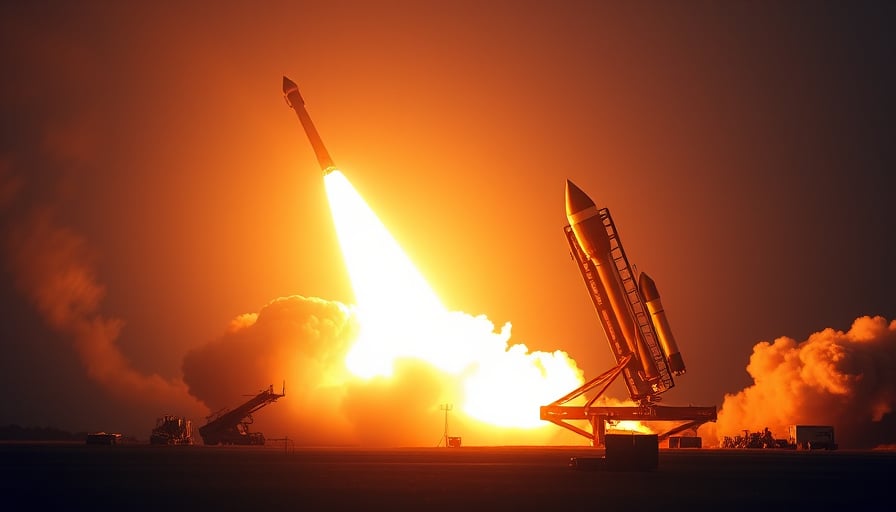
Kongsberg Gruppen ASA, the Norwegian technology systems provider, has secured a sizeable contract from Denmark for its NASAMS air‑defence system. The order, valued at several hundred million euros, will see the Danish Defence Forces acquire the National Advanced Surface‑to‑Air Missile System. The deal underscores the continued demand for Kongsberg’s advanced missile‑guidance and command‑and‑control solutions across the European defence market.
Contract Highlights
- Buyer – Danish Defence Forces
- Product – NASAMS (National Advanced Surface‑to‑Air Missile System)
- Value – Several hundred million euros (exact figure undisclosed)
- Scope – Full procurement of missile‑guidance hardware, software, and associated support services
The announcement has prompted a modest uptick in Kongsberg’s share price, reflecting a broader positive sentiment toward European defence procurement in the wake of heightened geopolitical tensions.
Market Context
The European defence industry has experienced a steady up‑trend in capital expenditure, driven by:
- Geopolitical uncertainty – Increased security concerns in the Baltic region have accelerated defence budgets.
- Technological evolution – Rapid advancements in missile guidance and networked command systems have raised the bar for national defence capabilities.
- Policy incentives – European Union initiatives aimed at bolstering regional defence autonomy have spurred procurement cycles.
These factors collectively create a favourable environment for companies such as Kongsberg that supply sophisticated, integrated defence solutions.
Consumer Discretionary Trends: A Comparative Lens
While the defence sector operates in a distinct arena, certain parallels can be drawn with consumer discretionary markets:
| Dimension | Defence Procurement | Consumer Discretionary |
|---|---|---|
| Demand Drivers | Geopolitical risk, national security priorities | Demographic shifts, cultural trends, economic confidence |
| Investment Cycle | Long‑term (5–10 years) | Short‑term to medium‑term (1–3 years) |
| Innovation Focus | Advanced guidance, cyber‑resilience | Digital retail platforms, personalized experiences |
| Pricing Sensitivity | High, due to mission‑critical nature | Variable, influenced by brand perception and lifestyle |
Key Consumer Insights
Demographic Shifts – The ageing population in Western Europe is reshaping purchasing priorities, with a focus on health‑related products, home‑automation, and durable goods. Younger cohorts (Gen Z, Millennials) increasingly favour experiences, sustainability, and brand authenticity.
Economic Conditions – Inflationary pressures and uncertain labour markets have tempered discretionary spending. Nonetheless, high‑margin categories such as luxury goods, premium electronics, and travel experiences remain resilient, especially among upper‑income brackets.
Cultural Shifts – A growing emphasis on sustainability and ethical sourcing has led to the rise of “conscious consumerism.” Retailers integrating circular‑economy models or transparent supply chains report higher engagement scores among eco‑aware shoppers.
Retail Innovation – Omnichannel strategies combining physical stores, mobile apps, and AI‑driven personalization are becoming industry benchmarks. Brands that effectively leverage data analytics to tailor product recommendations experience increased conversion rates.
Consumer Sentiment – Surveys indicate that while consumers are cautious, they still allocate a significant share of discretionary budgets to tech gadgets and wellness services. Sentiment indices such as the Consumer Confidence Index (CCI) and Retail Sales Growth Forecasts suggest a moderate rebound in the coming fiscal year.
Implications for Kongsberg and the Broader Corporate Landscape
The successful Danish contract positions Kongsberg as a key player in European defence technology, reinforcing its reputation for cutting‑edge missile systems. From a corporate perspective:
- Revenue Stability – Long‑term procurement contracts provide predictable cash flow, mitigating volatility often seen in consumer‑driven sectors.
- Innovation Trajectory – Continued investment in guidance and command‑and‑control systems aligns with broader trends toward networked, autonomous defence capabilities.
- Competitive Advantage – Kongsberg’s expertise in integrating complex systems offers a differentiated value proposition compared to competitors focused on single‑product solutions.
Parallel to the defence sector’s reliance on strategic partnerships and long‑term contracts, consumer discretionary companies must adapt to evolving demographic and cultural forces to sustain growth. Retailers that embrace innovation, data‑driven personalization, and sustainable practices are likely to outperform those that lag.
In summary, Kongsberg’s latest contract exemplifies how technological prowess and strategic alignment with national security priorities can drive corporate success. Simultaneously, the broader corporate environment underscores the importance of understanding demographic shifts, economic cycles, and cultural transformations to navigate consumer discretionary markets effectively.