
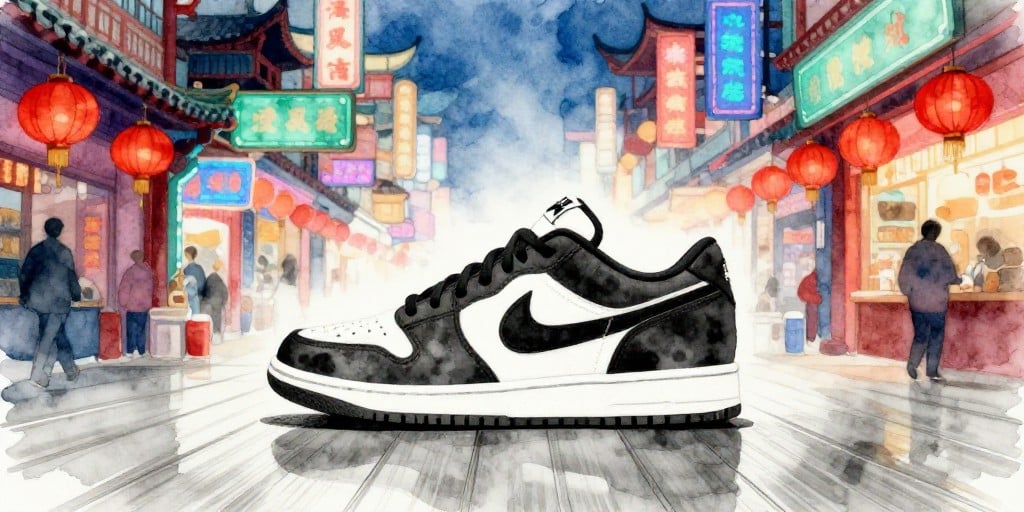
Corporate News Report: Nike’s Strategic Realignment in the Chinese Market
Nike Inc. has announced a decisive shift in its distribution strategy within China, citing persistent challenges in sustaining market momentum. The multinational athletic‑apparel manufacturer will discontinue sales of its products through the online platforms of its long‑term partner, a move that signals a broader reorientation of channel control. While Nike will maintain a limited number of physical retail partners, the decision underscores its intent to consolidate pricing and brand experience under direct oversight.
Context of the Decision
Recent quarterly results reveal a sustained trajectory of negative growth for several consecutive periods, reflecting a broader trend of declining sales across key international markets. Analysts have noted that the shift away from traditional wholesale and third‑party e‑commerce platforms toward direct‑to‑consumer (DTC) operations has become a hallmark of Nike’s global strategy. However, this transition has exposed vulnerabilities when consumer purchasing habits pivot toward alternative channels, such as social‑media‑driven marketplaces and emerging digital platforms.
In the Chinese context, consumer preferences have rapidly evolved toward value‑conscious purchasing and experiential retail. Competitors, particularly those that have carved out distinct niches in both mainstream and specialist sporting apparel, have leveraged localized design, targeted marketing, and omni‑channel integration to capture market share. Nike’s decision to curtail its partnership with a major online distributor represents a strategic recalibration aimed at mitigating the erosion of brand equity and pricing power.
Strategic Implications
Channel Control and Pricing By bringing sales under direct oversight, Nike seeks to re‑establish uniform pricing structures and eliminate margin compression that can arise from third‑party intermediaries. This move aligns with the company’s broader objective of ensuring a consistent brand experience across all touchpoints, a critical factor in maintaining consumer trust and loyalty.
Brand Experience and Consumer Engagement Limiting the number of physical retail partners allows Nike to streamline its retail footprint, concentrating resources on flagship stores and experiential zones that showcase product innovation and localized design. This aligns with the company’s ongoing emphasis on engaging younger consumers through immersive brand experiences that resonate with regional aesthetics and cultural trends.
Product Innovation and Localization The company’s recent focus on product innovation and localized design is a strategic response to the evolving competitive landscape. By tailoring collections to regional preferences—such as incorporating local materials, collaborating with domestic designers, and launching culturally relevant marketing campaigns—Nike aims to enhance relevance among younger demographics and counter the appeal of niche competitors.
Risk Management and Market Dynamics The decision reflects an acknowledgement of the fragility of relying heavily on third‑party platforms, particularly in a market where digital ecosystems evolve rapidly. By tightening channel control, Nike intends to better navigate fluctuations in consumer purchasing patterns and mitigate supply‑chain disruptions that can arise from external platform dependencies.
Broader Economic and Industry Connections
Nike’s realignment in China is illustrative of a broader shift across the sporting‑apparel industry, wherein global brands increasingly favor DTC models to gain granular customer insights and preserve brand equity. This trend is interwoven with macroeconomic factors such as:
- Digital Transformation: Rapid adoption of e‑commerce and social‑commerce platforms has reshaped consumer expectations for convenience, personalization, and brand authenticity.
- Changing Consumer Demographics: Younger shoppers in emerging markets exhibit a pronounced preference for brands that demonstrate social responsibility, local relevance, and innovative design.
- Competitive Pressure: Entrants and incumbents in both mainstream and specialty segments leverage data‑driven marketing, agile supply chains, and niche product lines to capture market share.
- Economic Volatility: Fluctuating disposable incomes and regulatory changes in China influence purchasing power and demand for premium versus value‑centric products.
By consolidating its channel strategy, Nike seeks to strengthen its competitive positioning within this complex environment, ensuring that pricing, brand experience, and product innovation remain tightly integrated.
Outlook
The immediate impact of the channel realignment on Nike’s financial performance in China remains to be observed. However, the strategic emphasis on direct control, localized innovation, and experiential retail aligns with industry best practices for sustaining growth amid shifting consumer behaviors and intensified competition. Continued monitoring of sales metrics, market share dynamics, and consumer sentiment will provide insights into the effectiveness of Nike’s approach in the broader context of the global athletic‑apparel sector.