Corporate Update: NextEra Energy’s Fiscal Performance and Strategic Outlook
NextEra Energy, Inc. (NEE) released its third‑quarter 2026 earnings report, demonstrating robust financial health while underscoring the company’s commitment to expanding a diversified portfolio of generation assets. The filing, submitted to the SEC, indicates a modest rise in operating revenue and a more than 2‑fold increase in net income, driven largely by gains in renewable generation and battery storage. Earnings per share (EPS) improved accordingly, and NEE reaffirmed its guidance for the full fiscal year, targeting adjusted EPS within the upper portion of its previously announced range.
Operational Highlights
- Revenue and Profitability: Operating revenue grew modestly year‑over‑year, while net income doubled, reflecting efficient cost control and higher margins from renewable and storage assets.
- Expense Management: Operating expenses remained largely in line with expectations, suggesting disciplined capital allocation and effective operational stewardship.
- Energy Demand Growth: NEE cited a 4 % increase in electricity consumption in Q3 2026 relative to the same quarter in 2025, indicating sustained demand for reliable supply amid broader U.S. energy consumption trends.
Investment in a Diversified Generation Mix
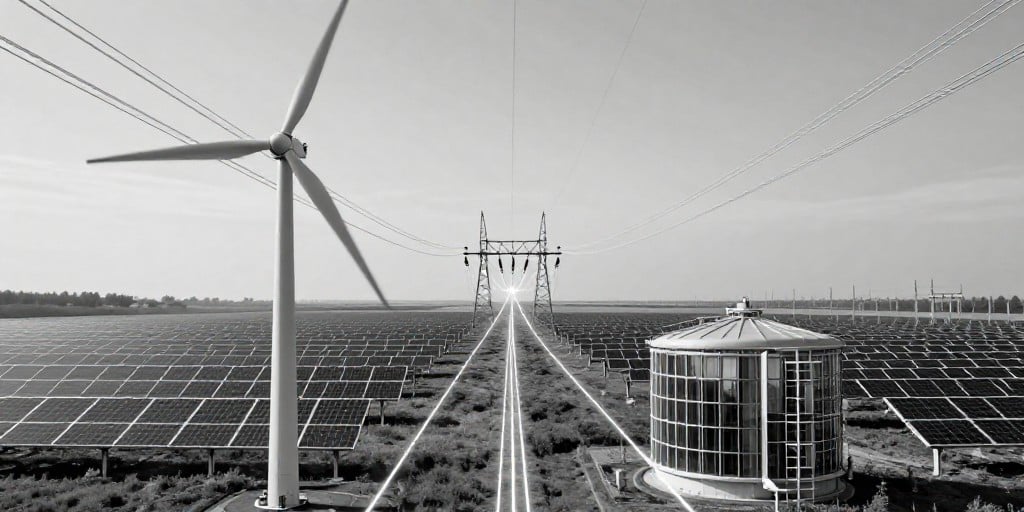
NEE’s generation mix continues to balance traditional baseload sources—natural gas and nuclear—with an expanding portfolio of wind, solar, and battery storage. From an engineering standpoint, this blend offers several advantages for grid stability:
- Balancing Capacity: Nuclear plants provide steady, low‑carbon baseload output, while natural gas units offer quick ramp‑up capabilities to respond to load fluctuations.
- Renewable Variability Mitigation: Wind and solar assets contribute significant capacity, but their intermittency requires advanced forecasting and flexible resources. Battery storage and demand‑side management programs help smooth short‑term swings.
- Grid Resilience: The integration of multiple generation sources enhances the system’s ability to withstand outages and maintain voltage and frequency regulation across the transmission network.
Regulatory and Policy Context
The regulatory environment surrounding NEE’s operations and growth strategy is evolving. Key points include:
- Virginia Acquisition Scrutiny: The proposed $67 billion acquisition of Dominion Energy faces state‑level scrutiny, with regulators demanding a six‑year freeze on residential power rates as a condition for approval. This reflects heightened caution toward large utility mergers, particularly regarding consumer protection and rate fairness.
- Rate‑Structure Implications: A rate freeze could affect the company’s ability to recover infrastructure investments, potentially influencing future capital allocation and project prioritization.
- Renewable Integration Policies: State and federal mandates to increase renewable penetration necessitate continuous upgrades to transmission and distribution systems. These policies drive investment in grid modernization, including high‑capacity corridors, advanced protective relaying, and digital substation automation.
Infrastructure Investment Requirements
Achieving grid stability while accommodating higher renewable penetration requires significant capital outlay:
- Transmission Upgrades: Expanding interconnections to capture wind and solar generation in remote regions demands high‑voltage upgrades and reinforcement of existing lines to prevent bottlenecks.
- Distribution Modernization: Deploying smart meters, grid sensors, and automated fault‑locating systems enhances real‑time control and fault detection, reducing outage durations.
- Storage Deployment: Large‑scale battery installations provide frequency regulation and peak shaving capabilities, improving voltage support and mitigating curtailment of intermittent resources.
- Cybersecurity Measures: As the grid becomes more digitized, robust cybersecurity protocols are essential to safeguard against operational disruptions.
Economic Implications for Utility Modernization
Utility modernization carries both opportunities and costs:
- Capital Expenditure (CAPEX): Infrastructure upgrades can reach multi‑billion‑dollar scales, necessitating careful financial planning and potential rate adjustments.
- Operational Expenditure (OPEX): While modernization can lower OPEX through increased efficiency and reduced outage costs, the initial integration of sophisticated control systems may require additional maintenance expertise.
- Consumer Cost Impact: Rate freezes, as demanded in Virginia, could delay the recovery of CAPEX, potentially leading to higher future rates or reduced investment in system upgrades. Conversely, efficient grid operation can lower long‑term costs by reducing losses and improving asset utilization.
Conclusion
NextEra Energy’s third‑quarter results reflect a strong financial foundation that supports its ongoing investments in a diversified, low‑carbon generation mix. The company’s strategy aligns with national objectives to enhance grid resilience and accelerate renewable integration. However, regulatory challenges—particularly around the Dominion Energy acquisition—introduce uncertainties that may influence future investment timing and rate structures. From an engineering perspective, continued investment in transmission, distribution, and storage infrastructure remains critical to maintaining grid stability while enabling the broader energy transition.