Corporate Developments and Strategic Implications for Naturgy Energy Group SA
Executive Summary
Naturgy Energy Group SA (Naturgy) has recently undergone a significant board reshuffle, with three directors stepping down following a proposal from investment firm GIP. While these corporate changes are internal, they occur against a backdrop of robust financial performance across Spain’s utilities sector, exemplified by the solid earnings reported by peers such as Enagás and Repsol in February. In an era of increasing renewable penetration and tightening regulatory frameworks, Naturgy’s core activities—liquefaction, regasification, transportation, and sales of natural gas—remain central to Spain’s energy security. This article examines how the board transition aligns with the company’s strategic focus on grid stability, renewable integration, and infrastructure investment, and explores the broader economic and regulatory context affecting utility modernization.
1. Board Transition: Implications for Corporate Governance and Strategic Direction
- Leadership Change: The departure of three directors, prompted by GIP’s intervention, signals a shift toward a governance model that may prioritize long‑term value creation and alignment with institutional investor expectations.
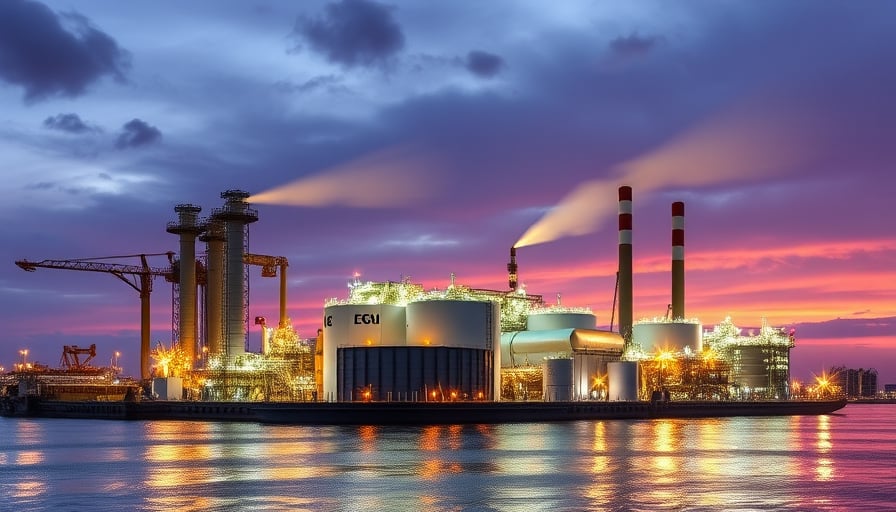
- Strategic Continuity: Despite the change, Naturgy’s existing portfolio—encompassing liquefaction plants, regasification terminals, pipeline networks, and LNG export facilities—provides a stable revenue base.
- Governance Outlook: The new board composition is likely to enhance oversight of risk management, particularly in areas related to grid integration of variable renewable resources and the financial structuring of large infrastructure projects.
2. Grid Stability in a Renewable‑Heavy Environment
2.1 Power Generation Dynamics
- Base‑Load Gas Plants: Naturgy’s natural‑gas power stations continue to offer dispatchable capacity that mitigates the intermittency of wind and solar resources. Their ability to ramp quickly (typically within 15–30 minutes) is critical for balancing supply and demand.
- Combined‑Cycle Efficiency: Advances in combined‑cycle gas turbines (CCGT) have raised efficiencies to >58% (net). Higher efficiencies reduce fuel consumption, lower CO₂ emissions, and improve the economics of gas‑fired generation as a bridge to renewables.
2.2 Transmission and Distribution (T&D) Challenges
- High‑Voltage AC (HVAC) vs. High‑Voltage DC (HVDC): Spain’s interconnection network increasingly relies on HVDC links for inter‑country power exchange, improving long‑distance transmission efficiency. Naturgy’s participation in cross‑border projects (e.g., the Iberian interconnection) enhances grid resiliency but requires sophisticated converter station management.
- Distributed Energy Resources (DER): The proliferation of rooftop PV and battery storage introduces bidirectional flows that can stress distribution feeders. Advanced monitoring (e.g., phasor measurement units) and adaptive protection schemes are essential to maintain fault ride‑through capability.
2.3 Renewable Integration
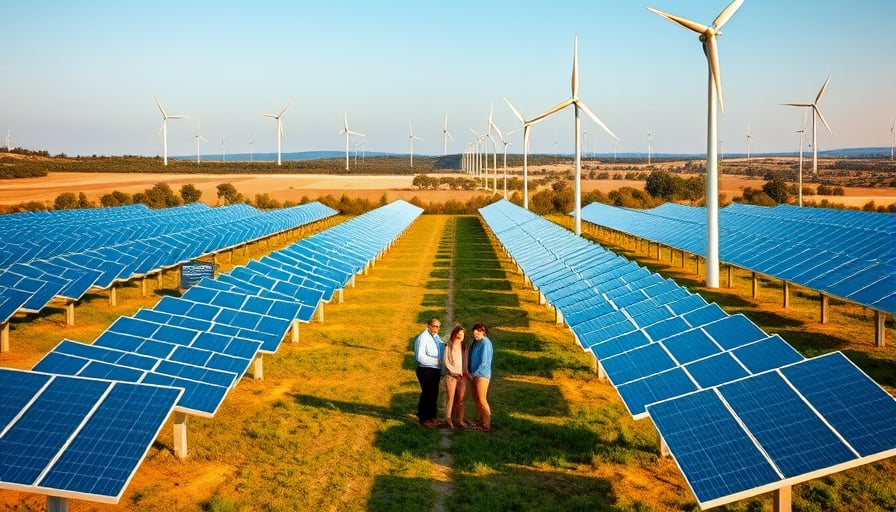
- Grid Flexibility Requirements: To accommodate higher solar and wind penetration (>35% of total generation), Spain’s grid codes demand flexible reserve provision and fast‑start units. Naturgy’s gas plants can supply ancillary services such as frequency regulation and spinning reserves.
- Storage Integration: Large‑scale battery installations and pumped hydro storage are increasingly used to smooth renewable output. The economics of storage depend on capacity‑hour ratios; Naturgy could explore partnerships to deploy storage adjacent to its gas infrastructure.
3. Infrastructure Investment Requirements
3.1 Capital Expenditure (CAPEX) Outlook
- Pipeline Rehabilitation: Aging natural‑gas pipelines require periodic upgrades to meet safety standards and increase throughput. Estimated CAPEX ranges from €150–200 M per 200 km segment, depending on pressure class.
- Liquefaction & Regasification Expansion: Expanding LNG terminal capacity supports export growth, particularly to Asia. Construction costs for a 10 kt/day liquefaction unit average €1.8–2.2 bn, with a payback period of 8–10 years under current spot‑price forecasts.
- T&D Grid Modernization: Smart grid technologies, including dynamic line rating, voltage‑control transformers, and automated fault isolation, require investment of €30–40 M per 10 km of distribution corridor.
3.2 Financing Models
- Debt‑Equity Mix: Naturgy typically employs a 70/30 debt‑equity ratio for large projects, balancing cost of capital with credit rating considerations.
- Green Bonds: The company has issued green bonds to finance renewable and storage projects, taking advantage of favorable market rates (~3.5% for 10‑year maturities) and investor demand for ESG‑aligned assets.
- Public‑Private Partnerships (PPPs): Joint ventures with local authorities facilitate infrastructure upgrades (e.g., grid interconnection in remote areas) while sharing risk and leveraging public funding streams.
4. Regulatory Frameworks and Rate Structures
4.1 Spanish Energy Regulation
- Authority: The Comisión Nacional de los Mercados y la Competencia (CNMC) regulates tariffs, market access, and infrastructure investment approvals.
- Renewable Mandate: The Spanish government has committed to 42% renewable electricity share by 2030, driving policy instruments such as feed‑in tariffs and capacity markets.
4.2 Rate Structures
- Feed‑in Tariffs (FiT): Current FiT for solar PV averages €0.07/kWh, decreasing annually by 2% to incentivize adoption while managing cost burdens.
- Capacity Market Pricing: The capacity price per MW is indexed to the spot price; a recent spike in 2023 saw prices reach €400/MW, encouraging investment in flexible resources.
- Transmission Charges: The Tarifa de Acceso a la Red (TAR) imposes charges based on peak demand and line losses, affecting utilities’ revenue streams.
4.3 Economic Impact Analysis
- Consumer Costs: Transmission and distribution cost recoveries contribute ~8–10% of the final electricity bill. Increased renewable integration can either dilute or concentrate costs depending on how the grid is restructured.
- Investment Return: Utilities must balance cost recovery with affordability constraints. Econometric models suggest a 5–7% increase in consumer tariffs is tolerable if paired with clear communication about long‑term savings from renewable deployment.
5. Utility Modernization and the Energy Transition
5.1 Engineering Insights
- Dynamic Stability: Enhanced frequency response from gas plants and storage reduces the need for costly mechanical inertia, enabling higher renewable penetration.
- Protection System Upgrades: Adaptive protection relays, using real‑time data, shorten fault isolation times from 15–20 s (legacy systems) to <5 s, improving system resilience.
- Cyber‑Physical Security: Integration of IIoT sensors necessitates robust cybersecurity protocols; the adoption of IEC 62443 standards is critical for protecting grid integrity.
5.2 Transition Pathways
- Hybrid Energy Hubs: Combining gas, solar, and battery storage in a single hub optimizes dispatchability and reduces curtailment.
- Decentralized Generation: Encouraging microgrids in rural areas can alleviate pressure on central transmission while providing resilience against grid faults.
- Carbon Pricing Mechanisms: Implementation of a domestic carbon tax at €40/tCO₂ aligns with EU Emissions Trading System (ETS) reductions, influencing fuel mix decisions.
6. Conclusion
Naturgy Energy Group SA’s recent board realignment reflects a strategic recalibration within an industry navigating rapid technological, regulatory, and market shifts. By maintaining a robust portfolio of liquefaction, regasification, and gas‑fired generation assets, the company is well‑positioned to support grid stability as renewable penetration grows. However, substantial infrastructure investment—particularly in modernizing transmission and distribution networks—is essential to meet regulatory mandates and deliver economic value to consumers. The evolving regulatory landscape, coupled with innovative financing mechanisms and advanced engineering solutions, will determine the pace and success of Spain’s energy transition, in which Naturgy continues to play a pivotal role.