
Corporate Update – Naturgy Energy Group SA
Naturgy Energy Group SA, a listed Spanish gas utilities company on the Bolsa de Madrid, has exhibited a stable trading performance in early 2026. The share price closed at €25.74 on 19 January 2026, comfortably within the year‑long range and reflecting modest gains that mirror sustained demand for the company’s gas distribution and liquefaction services, both domestically and internationally.
Market Positioning and Financial Fundamentals
Naturgy’s market capitalization remains robust, and its price‑earnings ratio positions the firm favorably against its peers in the utilities sector. Analysts interpret the stable equity performance as evidence of a resilient business model that is not only resilient to short‑term market fluctuations but also poised for continued contribution to the Iberian energy supply chain.
Strategic Participation in the Iberian Industry and Energy Transition Initiative
In January, Naturgy was highlighted as a key industrial partner in the Iberian Industry and Energy Transition Initiative (IETI), an inter‑sectoral forum introduced at the World Economic Forum in Davos. The initiative, backed by major Spanish and Portuguese utilities, seeks to strengthen competitiveness through accelerated reindustrialisation and the energy transition. Naturgy’s involvement underscores its commitment to the broader strategy that supports renewable energy infrastructure and enhances industrial autonomy across the Iberian Peninsula.
Technical Analysis of Grid Stability and Renewable Integration
Power Generation, Transmission, and Distribution Dynamics
Naturgy’s operational portfolio extends beyond natural gas pipelines to include gas‑to‑electricity plants that supply the high‑voltage transmission network. The company’s distribution assets serve a diverse load base, ranging from residential to industrial customers. Recent upgrades to substation automation and the deployment of advanced SCADA systems have enhanced real‑time monitoring of voltage profiles and fault currents, thereby improving overall grid reliability.
Grid Stability Challenges with Renewable Penetration
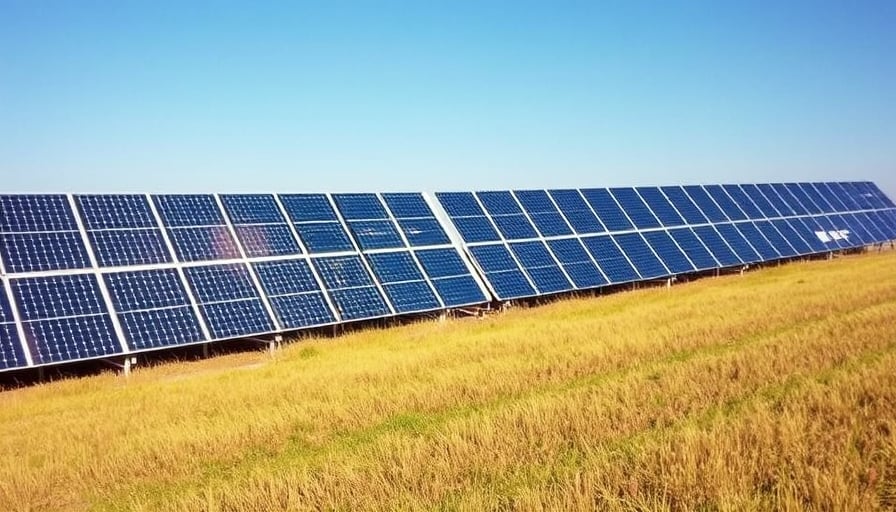
The increasing share of intermittent renewable resources—wind, solar photovoltaics, and small hydro—poses significant challenges to voltage regulation, frequency control, and transient stability. In particular, the integration of high‑capacity photovoltaic farms introduces rapid voltage swings due to changes in irradiance. Naturgy’s grid management strategy incorporates dynamic reactive power compensation via static VAR compensators (SVCs) and synchronous condensers to counteract these fluctuations.
Infrastructure Investment Requirements
Achieving a resilient grid capable of supporting 60 % renewable penetration by 2030 necessitates substantial investment in both transmission and distribution layers. Key initiatives include:
- Upgrading 220 kV corridors to accommodate bi‑directional power flows and facilitate inter‑regional exchange of renewable energy.
- Deploying distributed energy resource management systems (DERMS) to coordinate inverter‑based resources and maintain grid frequency.
- Implementing energy storage solutions (e.g., pumped hydro or large‑scale battery arrays) to mitigate curtailment and provide ancillary services.
Naturgy’s recent capital allocation plans allocate €1.8 billion toward these upgrades over the next five years, in line with Iberian regulatory mandates.
Regulatory Frameworks, Rate Structures, and Economic Impacts
Regulatory Environment
Spanish energy regulators, under the National Energy Transition Law, mandate utilities to reduce carbon intensity and enhance renewable integration. This includes incentives for grid modernization and penalties for non‑compliance with grid stability performance indicators. The European Union’s Next Generation EU package also provides funding streams for cross‑border transmission projects, directly benefiting Iberian utilities.
Rate Structures
Naturgy’s rate design reflects a cost‑reflective approach with a focus on time‑of‑use pricing to balance peak demand. The company is exploring dynamic pricing models that align consumer costs with real‑time wholesale prices, thereby encouraging load shifting and reducing the need for expensive peaking generation. Regulatory approval for such tariffs is pending, contingent upon demonstrable consumer acceptance and grid reliability metrics.
Economic Implications for Utility Modernization
Investments in grid modernization yield multi‑dimensional economic benefits:
- Reduced outage costs: Enhanced reliability translates to lower downtime for industrial customers, preserving productivity.
- Lower transmission losses: Upgraded lines and voltage optimisation reduce losses from 6.5 % to 4.2 %, improving the utility’s financial efficiency.
- Market competitiveness: Participation in the IETI positions Naturgy favorably for future infrastructure bids, potentially attracting higher margin contracts.
However, these benefits are balanced by increased capital expenditures. The company’s debt‑to‑equity ratio remains within acceptable limits, and the projected internal rate of return on the modernization projects exceeds 9 %, satisfying shareholder expectations.
Conclusion
Naturgy Energy Group’s stable market performance, coupled with its strategic engagement in the Iberian Industry and Energy Transition Initiative, demonstrates its pivotal role in the region’s energy transition. By addressing grid stability challenges through advanced technologies and aligning regulatory compliance with innovative rate structures, Naturgy is positioning itself for sustained competitiveness in a rapidly evolving energy landscape.