
Disruption at Munich Airport Highlights Resilience Challenges for Lufthansa and the Aviation Sector
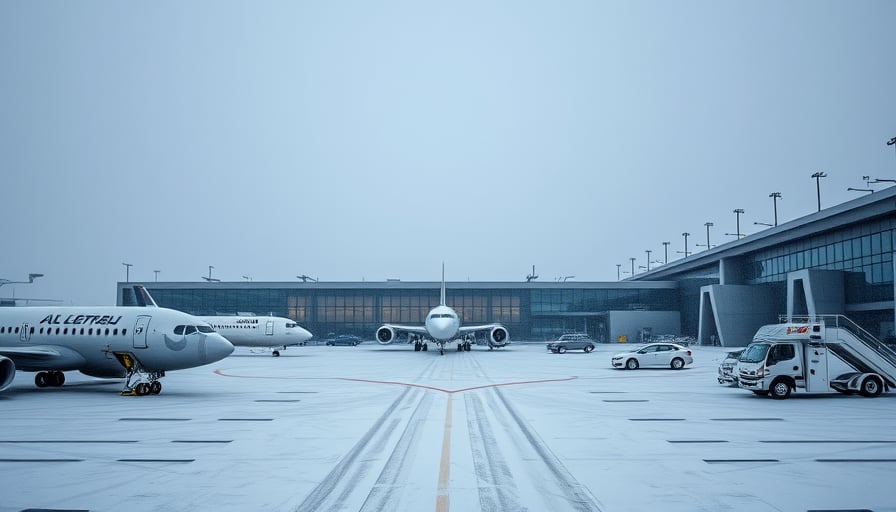
On February 23, Deutsche Lufthansa experienced a significant operational setback at Munich Airport when an unexpected snowstorm forced several aircraft to remain grounded. Hundreds of passengers were stranded and subsequently accommodated overnight on the affected aircraft. Both the airport authorities and Lufthansa issued formal apologies, and the airline confirmed that it had reached out to the affected travelers to discuss compensation.
Immediate Operational Impact
The disruption disrupted the departure schedules of multiple flights, leading to cascading delays across the airline’s network. Passengers who had planned onward connections were forced to reschedule or cancel itineraries, resulting in a notable increase in customer service calls and the need for on‑site accommodation logistics. The overnight stay on the aircraft itself highlighted gaps in contingency planning for severe weather events.
Sector‑Specific Dynamics
The aviation industry is inherently susceptible to weather‑related interruptions. While major airports possess robust snow‑removal and de‑icing infrastructure, the coordination between airline operations and ground handling services remains a critical lever for mitigating disruptions. In the case of Munich Airport, the snowstorm’s intensity outpaced the capacity of on‑ground crews to clear runways within the operational window, illustrating a common bottleneck in European aviation hubs during winter.
Competitive Positioning and Customer Loyalty
Lufthansa’s response to the incident—prompt apologies, direct communication with affected passengers, and a commitment to compensation—aligns with best practices for maintaining brand trust in the highly competitive airline market. However, repeated weather‑induced disruptions risk eroding customer confidence, especially when competitors can demonstrate superior resilience. Airlines that invest in advanced predictive analytics for weather forecasting and deploy rapid de‑icing solutions may gain a competitive edge in protecting schedules and passenger satisfaction.
Economic Factors Transcending Industry Boundaries
The incident underscores a broader economic trend: the increasing frequency and severity of extreme weather events driven by climate change. For the aviation sector, this translates into higher operational costs related to infrastructure upgrades, equipment procurement (e.g., high‑capacity de‑icing units), and potential compensation payouts. Moreover, disruptions can ripple into ancillary industries—tourism, hospitality, and logistics—highlighting the interdependence of the broader economy on reliable air transport.
Coordinated Response as a Best Practice
The Munich event reinforces the necessity of integrated emergency response protocols between airlines and airport authorities. Shared situational awareness platforms, joint drills, and real‑time data sharing can reduce the duration of disruptions and improve passenger communication. In addition, aligning compensation frameworks and contingency planning across industry stakeholders can help manage financial liabilities and preserve consumer trust.
Outlook for Lufthansa and the Aviation Ecosystem
Lufthansa’s immediate corrective actions and transparent communication mitigate reputational damage in the short term. Looking forward, the airline—and the broader aviation sector—must prioritize resilience investments:
- Enhanced Weather Forecasting Systems: Deploy machine‑learning models to predict runway clearance times.
- Infrastructure Modernization: Upgrade de‑icing equipment and runway heating systems where feasible.
- Cross‑Agency Collaboration: Formalize protocols for rapid decision‑making between airport authorities, air traffic control, and airline operations teams.
By addressing these areas, Lufthansa can strengthen its competitive positioning, reduce future disruptions, and contribute to a more resilient global aviation network.