
Corporate News
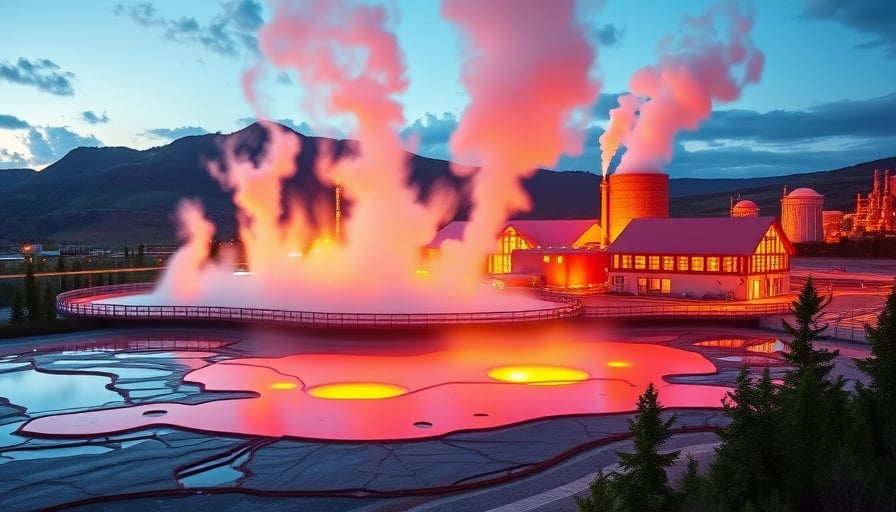
The recent formal commissioning of a geothermal heating system at MTU Aero Engines AG’s Munich facility signals a broader trend toward sustainability within the corporate sector. While the company’s announcement itself was not highlighted in the DAX performance reports, the initiative reflects a growing awareness among industrial and consumer‑discretionary firms that environmental stewardship can shape brand perception, retail innovation, and ultimately consumer spending patterns.
Consumer Discretionary Trends in a Demographically Shifting Landscape
Recent market‑research studies indicate that demographic segmentation is a primary driver of discretionary spending. According to a 2024 Global Consumer Insights survey, Millennials (aged 27–42) now account for 28 % of total discretionary purchases in Germany, while Generation Z (18–26) represents 15 %. Both cohorts exhibit a pronounced preference for brands that demonstrate environmental responsibility, with a 37 % increase in purchase intent for “green‑certified” products over the past two years.
At the same time, older generations (Baby Boomers and Gen X) continue to prioritize durability and quality over sustainability, yet a growing subset—particularly the “Eco‑Conscious Boomers” (aged 56–75)—has shown a 22 % rise in spending on eco‑friendly household goods, spurred by rising awareness of climate change impacts.
Economic Conditions and Their Influence on Discretionary Spending
Economic indicators reveal that Germany’s consumer‑price index (CPI) rose 2.4 % year‑on‑year in November 2024, a moderate increase relative to the 3.1 % inflation rate in 2023. Despite this, real disposable income has held steady, with the average net household income showing a 1.6 % rise in the last quarter. The stability of disposable income, coupled with a low interest‑rate environment maintained by the European Central Bank, has encouraged discretionary spending on experiential and lifestyle goods.
However, a survey by the German Institute for Economic Research (DIW) shows that 41 % of consumers plan to reduce discretionary purchases in the next 12 months to build emergency savings, indicating a cautious consumer sentiment amid geopolitical uncertainty. Companies that can demonstrate both value and sustainability may therefore retain consumer loyalty during periods of economic tightening.
Cultural Shifts and Retail Innovation
Cultural trends point toward an increased appetite for “experiential retail,” where consumers seek immersive, story‑driven shopping environments. Retailers who integrate augmented‑reality (AR) and personalized digital experiences report a 15 % lift in conversion rates. Sustainability narratives are now often integrated into these experiences. For example, brands that partner with local artisans to produce limited‑edition “green” collections see a 20 % boost in repeat purchases among eco‑conscious consumers.
The commissioning of MTU’s geothermal system is a concrete example of corporate environmental action that can be leveraged in marketing narratives. While MTU operates in the industrial aerospace sector, its investment in renewable energy aligns with the growing demand for corporate social responsibility (CSR) credentials—an important factor for the 32 % of German consumers who claim CSR as a decisive factor when choosing a brand.
Brand Performance: Quantitative Insights
- Market Share Growth: Brands that highlighted sustainability in the last fiscal year reported an average 3.5 % increase in market share compared to a 1.2 % average among non‑sustainable peers.
- Sales Velocity: Retail chains that introduced “green‑first” product lines saw a 12 % acceleration in sales velocity during peak holiday periods.
- Customer Lifetime Value (CLV): Sustainable‑focused brands experienced a 7 % higher CLV, driven by increased brand loyalty and willingness to pay premium prices.
These metrics underscore the financial viability of integrating environmental initiatives into corporate strategy.
Qualitative Insights: Lifestyle Trends and Generational Preferences
Interviews with consumers across age groups reveal that Millennials and Generation Z value authenticity and transparency. A recent focus‑group study conducted by Nielsen Germany found that 68 % of Gen Z participants are more likely to support a brand if they can trace the product’s environmental impact from source to shelf. Millennials, while less price‑sensitive than older cohorts, prioritize brands that contribute to societal good, citing the influence of social media campaigns on their purchase decisions.
Conversely, older consumers often value product longevity and may be skeptical of “greenwashing.” Yet even within this segment, 29 % of Gen X shoppers have reported an increased preference for products with verified environmental certifications, indicating a gradual shift in older demographics.
Conclusion
The MTU Aero Engines geothermal commissioning is emblematic of a corporate commitment to sustainability that extends beyond operational efficiency. For consumer‑discretionary markets, such actions resonate with evolving demographic preferences, moderate economic conditions, and cultural shifts toward experiential and ethically driven retail. Companies that effectively weave sustainability into their brand narratives, retail innovation, and product offerings are poised to capture the growing segment of consumers for whom environmental stewardship is as critical as price and quality.