
Corporate Update: MTU Aero Engines AG Joins Forces with Airbus on Hydrogen Propulsion
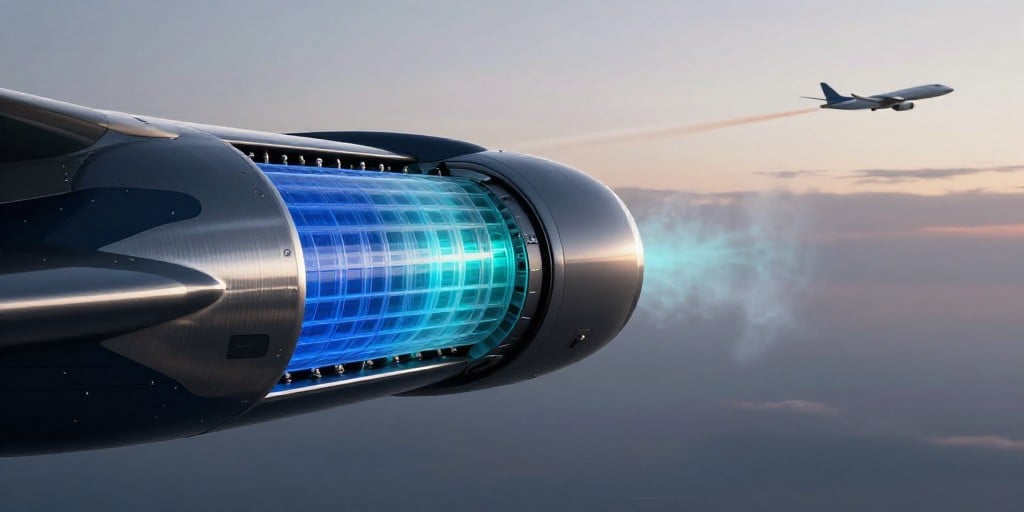
MTU Aero Engines AG has announced a strategic partnership with Airbus to establish a joint venture that will develop and market a hydrogen‑fuel‑cell engine for commercial aircraft. The collaboration, formalised in 2025, is slated to commence operations in 2027. By combining Airbus’ expertise in airframe programmes and fuel‑cell technology with MTU’s long‑standing experience in engine design, integration, validation, certification, and maintenance, the venture aims to become a technological leader in hydrogen propulsion and to underpin the broader development of a hydrogen aviation industry, including the regulatory frameworks that are essential for large‑scale adoption.
Capital Expenditure and Productivity Implications
The joint venture represents a significant capital investment, with preliminary cost estimates indicating that the initial R&D budget will exceed €1 billion over the first five years. This outlay is justified by projected productivity gains through higher thrust‑to‑weight ratios and lower lifecycle operating costs. The hydrogen‑fuel‑cell engine is expected to deliver up to 20 % less fuel consumption than the most advanced turbofan engines currently in service, thereby improving aircraft availability and reducing maintenance intervals. These productivity metrics are likely to attract capital expenditure from airlines seeking to meet stringent emissions targets while maintaining competitive operating costs.
Manufacturing and Industrial Equipment Considerations
From a manufacturing perspective, the joint venture will require the integration of advanced materials such as high‑temperature alloys and composite hydrogen storage tanks. MTU will leverage its existing engine production lines, incorporating additive manufacturing for critical components to reduce part count and weight. Airbus will contribute its existing fuel‑cell fabrication facilities, which are equipped with precision fuel‑cell stack assembly lines and automated hydrogen handling systems. The collaboration will necessitate the deployment of state‑of‑the‑art process control software, enabling real‑time monitoring of thermal management and hydrogen flow within the engine architecture.
Economic Drivers of Capital Expenditure
The decision to commit to a hydrogen‑fuel‑cell engine is driven by multiple economic factors:
- Regulatory Incentives: The European Union’s Net Zero Emissions Target for 2050, coupled with forthcoming Carbon Pricing mechanisms, creates a favorable investment climate for low‑emission propulsion systems.
- Market Demand: Airlines are increasingly pressured by both customers and regulators to reduce carbon footprints, and hydrogen propulsion is viewed as a viable pathway to achieve this without compromising range or payload.
- Supply‑Chain Dynamics: While hydrogen production infrastructure is still nascent, the joint venture is strategically positioned to influence the development of a dedicated hydrogen supply chain, thereby securing long‑term pricing and availability.
- Technological Edge: Early entrants in hydrogen aviation can capture significant market share, benefiting from first‑mover advantages in certification and fleet deployment.
Supply Chain and Regulatory Landscape
The joint venture will navigate a complex supply‑chain ecosystem. Key suppliers will include manufacturers of high‑pressure hydrogen storage tanks, platinum‑catalyst fuel cells, and advanced composite materials. MTU and Airbus have already initiated discussions with several tier‑1 suppliers to secure long‑term contracts, mitigating risks associated with volatile raw‑material prices.
On the regulatory front, the venture will engage with the European Union Aviation Safety Agency (EASA) and the Federal Aviation Administration (FAA) to develop harmonised certification standards for hydrogen engines. The regulatory framework will need to address safety protocols for hydrogen storage, fire‑suppression systems, and emergency landing procedures.
Market and Investor Sentiment
In the week following the partnership announcement, the German stock market experienced modest declines amid concerns over Middle‑East tensions and oil price fluctuations. The DAX fell by approximately 0.5 %, with industrial and energy names, including MTU Aero Engines, recording small losses. The broader European index, Stoxx 600, slipped slightly, reflecting a cautious mood in the technology sector and heightened geopolitical uncertainty. Despite these market headwinds, industrial production data from Germany indicated a modest monthly increase, while France reported a widening trade deficit.
Corporate Governance Transparency
Separately, MTU Aero Engines filed a regulatory notification regarding voting‑rights changes. A major shareholder, Viking Global Equities III Ltd., reported a shift in its stake, bringing its voting rights to nearly three percent as of the end of June. This disclosure complied with German securities‑trading regulations and was distributed through EQS’s news service. The company’s proactive communication underscores its commitment to transparent governance practices.
Conclusion
MTU Aero Engines AG’s partnership with Airbus on a hydrogen‑fuel‑cell engine represents a pivotal move toward sustainable aviation. By aligning capital investment with technological innovation and regulatory foresight, the joint venture positions both companies to capture emerging market opportunities while navigating the economic, supply‑chain, and geopolitical challenges inherent to high‑tech industrial ventures.