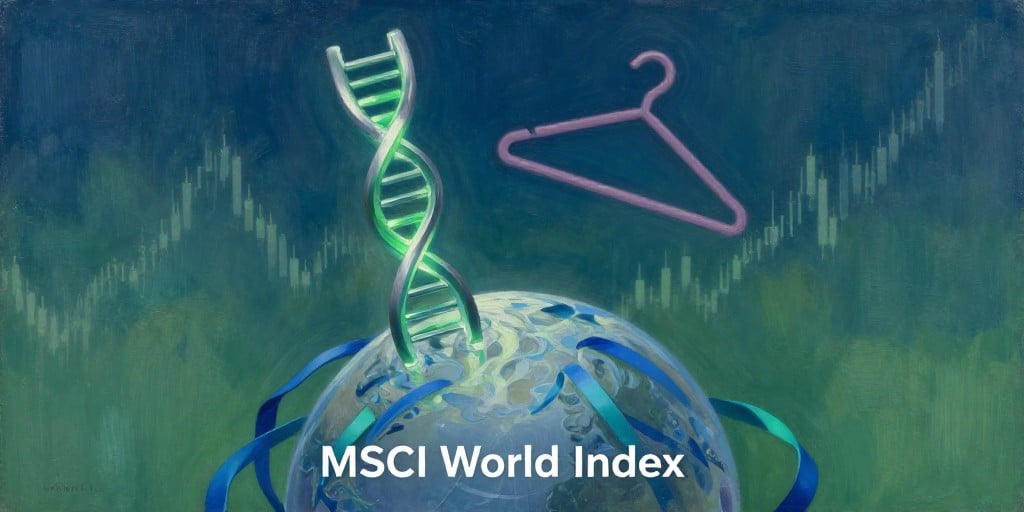
MSCI World Index Rebalancing: Implications for Investment Strategies
The MSCI World Index will undergo a routine rebalancing on 30 November 2024 that will result in a net reduction of holdings. The review will excise at least 28 securities while incorporating only two new constituents—Moderna and Aritzia. This selective adjustment underscores the index’s commitment to sustaining a representative universe of global companies and to reflecting contemporaneous market developments.
Methodological Rationale
Index rebalancing is executed according to a pre‑specified schedule that incorporates objective criteria such as free‑float market capitalization, liquidity thresholds, and sector representation. The current adjustment adheres to these parameters, ensuring that the benchmark remains a valid proxy for the broader global equity market. By excising a limited number of stocks, the index manager aims to preserve statistical stability while allowing for the introduction of companies that have achieved a measurable increase in market relevance.
Constituent Changes and Their Significance
| Action | Number of Stocks | Examples |
|---|---|---|
| Removal | ≥ 28 | Various mid‑cap names across multiple sectors |
| Addition | 2 | Moderna (biopharmaceutical, mRNA therapeutics), Aritzia (fashion retail) |
The inclusion of Moderna reflects its sustained presence as a leading biopharmaceutical company with a robust pipeline of mRNA‑based therapeutics. Aritzia represents a growth opportunity in the apparel sector, signaling a diversification beyond traditional blue‑chip constituents.
Impact on Exchange‑Traded Funds (ETFs)
Funds that replicate the MSCI World Index—both actively managed and passively tracked ETFs—must adjust their portfolios to mirror the revised composition. While the overall net change is modest, the removal of specific stocks could alter fund expense ratios, liquidity dynamics, and sector weightings. Fund managers should monitor the timing of the rebalancing to minimize tracking error and to optimize re‑allocation strategies.
Regulatory and Compliance Considerations
Index rebalancing processes are subject to oversight by the MSCI board and must comply with industry standards governing index methodology. The transparency of the review—publicly disclosed prior to implementation—provides stakeholders with the necessary information to assess potential impacts. Investors and fiduciaries should incorporate this event into their risk management frameworks, ensuring alignment with regulatory expectations regarding index‑based investment strategies.
Practical Takeaways for Market Participants
- Portfolio Management: Adjust holdings to reflect the new index composition, paying particular attention to the removal of 28 stocks that may have been integral to certain sector strategies.
- Risk Assessment: Evaluate the concentration risk introduced by the addition of Moderna and Aritzia, especially if the fund’s allocation to healthcare or retail sectors was previously limited.
- Performance Analysis: Anticipate short‑term volatility around the rebalancing date, as fund inflows or outflows may respond to the updated constituents.
- Long‑Term Outlook: Recognize that the index’s methodical rebalancing is designed to preserve its representativeness, thereby supporting consistent benchmark performance over time.
In conclusion, the MSCI World Index’s rebalancing on 30 November serves as a routine but strategically significant adjustment. By selectively pruning and adding constituents, the index maintains its integrity as a benchmark for global equity performance, offering market participants a clear framework within which to structure their investment decisions.