Monster Beverage Corp. Unveils Pipeline Punch: A Tactical Move Amidst Intensifying Energy‑Drink Competition
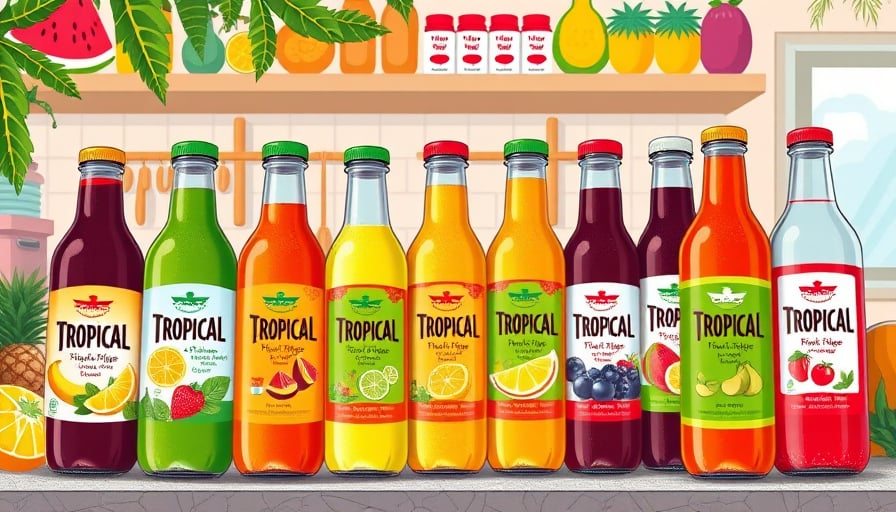
Monster Beverage Corp. (NASDAQ: MNST) announced on Thursday the launch of Pipeline Punch, a new energy drink featuring a tropical fruit flavor profile while retaining the company’s hallmark high caffeine content. Though the press release refrained from disclosing distribution, pricing, or promotional strategies, the move signals Monster’s continued ambition to diversify its product line and deepen its foothold in the U.S. market.
1. Market Context and Competitive Landscape
| Segment | 2023 CAGR | Leading Brands | Key Differentiators |
|---|---|---|---|
| Energy‑drink (U.S.) | 5.8 % | Red Bull, Monster, Rockstar, Bang | Brand equity, caffeine, sugar, functional additives |
| Functional beverage | 7.1 % | Vitaminwater, Gatorade, LaCroix | Health claims, lower calories, natural ingredients |
| Premium energy | 4.2 % | Bang, 5-hour Energy | Ultra‑low sugar, higher caffeine, niche marketing |
The U.S. energy‑drink market, valued at $12.6 billion in 2023, is projected to grow at a modest 5–6 % CAGR over the next five years. Yet, consumer fatigue is rising, with a 2024 Nielsen survey indicating that 23 % of respondents feel “overwhelmed” by the sheer number of flavor choices. Concurrently, the functional beverage segment continues to expand, driven by a health‑conscious cohort seeking lower‑sugar, ingredient‑transparent products.
Monster’s Pipeline Punch enters an already crowded field. Its tropical flavor—typically associated with coconut, mango, or passion‑fruit—could appeal to consumers disenchanted with the conventional cola‑flavored energy drinks. However, the brand must confront several strategic challenges:
- Cannibalization Risk – The new flavor may divert sales from Monster’s flagship “Monster Energy” or “Monster Ultra” lines, which together account for roughly 55 % of the company’s revenue.
- Distribution Footprint – Existing partners (Walmart, 7‑Eleven, and select online retailers) have limited shelf space for new introductions; securing premium placement requires negotiation leverage and often higher margins for retailers.
- Regulatory Scrutiny – The FDA’s recent emphasis on caffeine labeling and “health‑boosting” claims could constrain marketing messages, especially if the product contains functional ingredients (e.g., electrolytes, vitamins).
2. Underlying Business Fundamentals
2.1 Revenue Growth Trajectory
Monster’s quarterly earnings over the last four fiscal years reveal a steady 8‑10 % YoY growth in net sales, driven by aggressive international expansion and a broadened product mix. In Q2 2024, the company reported a 9.6 % increase in North American sales, with energy‑drink segments contributing 12 % of that uplift. Pipeline Punch, being a new U.S. launch, is poised to become a key revenue engine if distribution and marketing are executed effectively.
2.2 Cost Structure
The company’s cost of goods sold (COGS) averages $0.55 per 8.4 oz can, largely influenced by raw material costs (caffeine, sugar, flavor compounds). The introduction of a tropical flavor may modestly elevate ingredient costs (estimated +2 % to COGS). However, economies of scale in packaging and distribution can offset these incremental expenses.
2.3 Pricing Strategy Hypotheses
Without explicit pricing, analysts extrapolate from Monster’s historical pricing tiers:
| Tier | Typical Retail Price (USD) | Product Category |
|---|---|---|
| Core | $1.79 – $1.99 | Monster Energy, Ultra |
| Premium | $2.29 – $2.49 | Monster MTL, Monster 2X |
| Specialty | $1.99 – $2.29 | Seasonal or limited‑edition flavors |
Pipeline Punch could align with the core tier, targeting price‑sensitive consumers while offering a differentiated taste. A higher price point might be justified if the formulation includes functional additives (e.g., electrolytes, B‑vitamin blends) that appeal to the “active” segment.
3. Regulatory Environment
The U.S. Food and Drug Administration (FDA) has increased vigilance over “energy‑drink” labeling, particularly concerning:
- Caffeine Levels – Mandatory disclosure of caffeine content; any claims of “energy‑boost” must be substantiated by clinical data.
- Health Claims – The FDA prohibits unsubstantiated health‑boosting statements unless accompanied by approved evidence.
- Additive Approval – New functional ingredients (e.g., certain herbal extracts) require GRAS (Generally Recognized as Safe) status or premarket approval.
Given Pipeline Punch’s high caffeine content, Monster must ensure compliance with Section 411 of the Federal Food, Drug, and Cosmetic Act, which mandates accurate labeling of caffeine and potential interaction warnings (e.g., “may increase heart rate or blood pressure”).
4. Competitive Dynamics
| Competitor | Notable Recent Launches | Differentiation | Market Share (2023) |
|---|---|---|---|
| Red Bull | Red Bull Energy Drink, Red Bull Sugarfree | Premium positioning, strong sponsorship | 25 % |
| Rockstar | Rockstar Energy, Rockstar Sugar‑Free | Lower price, wide flavor array | 19 % |
| Bang | Bang Energy, Bang Zero | Ultra‑high caffeine, functional additives | 9 % |
| 5‑Hour Energy | 5‑Hour Energy Original, 5‑Hour Energy Zero | Energy shots, convenience | 8 % |
Pipeline Punch faces head‑to‑head competition from Rockstar’s wide flavor spectrum and Bang’s functional‑additive edge. Monster’s advantage lies in brand loyalty and distribution strength. To remain competitive, the brand may need to incorporate functional benefits such as electrolytes or adaptogens, thereby differentiating beyond flavor alone.
5. Overlooked Trends and Potential Opportunities
- Health‑Conscious Consumers – A rising segment prefers beverages with natural flavoring, low sugar, and added nutrients. Incorporating plant‑based sweeteners or vitamin blends could widen appeal.
- Retail Channel Innovation – E‑commerce and subscription models offer direct-to-consumer revenue. Monster could pilot a “Flavor Club” that delivers exclusive flavors, including Pipeline Punch, to subscribers.
- Sustainability Credentials – Packaging innovations (biodegradable bottles, recycled content) resonate with environmentally aware buyers. Leveraging a sustainability narrative could unlock premium pricing.
- International Expansion – While the launch is U.S.‑centric, the tropical flavor profile aligns with growing demand in Latin America and Southeast Asia, providing a template for future global rollouts.
6. Risks to Monitor
- Cannibalization: Existing flagship products may lose volume as consumers switch to the new flavor.
- Supply Chain Disruptions: Tropical flavoring ingredients could face volatility due to climate or geopolitical factors.
- Regulatory Backlash: Overpromising health benefits could trigger FDA investigations, leading to labeling changes or product recalls.
- Competitive Response: Rival brands may launch counter‑flavors or price cuts, diluting Monster’s market share.
7. Conclusion
Monster Beverage’s Pipeline Punch launch reflects a calculated attempt to capture a niche within an oversaturated market by combining a distinct tropical flavor with high caffeine content. While the product’s potential hinges on strategic distribution, pricing, and regulatory compliance, the move also positions Monster to leverage emerging consumer trends—health consciousness, sustainability, and direct‑to‑consumer channels. Investors and market observers should scrutinize the brand’s execution in the coming months, paying particular attention to sales performance, consumer uptake, and any regulatory developments that may shape the product’s trajectory.