
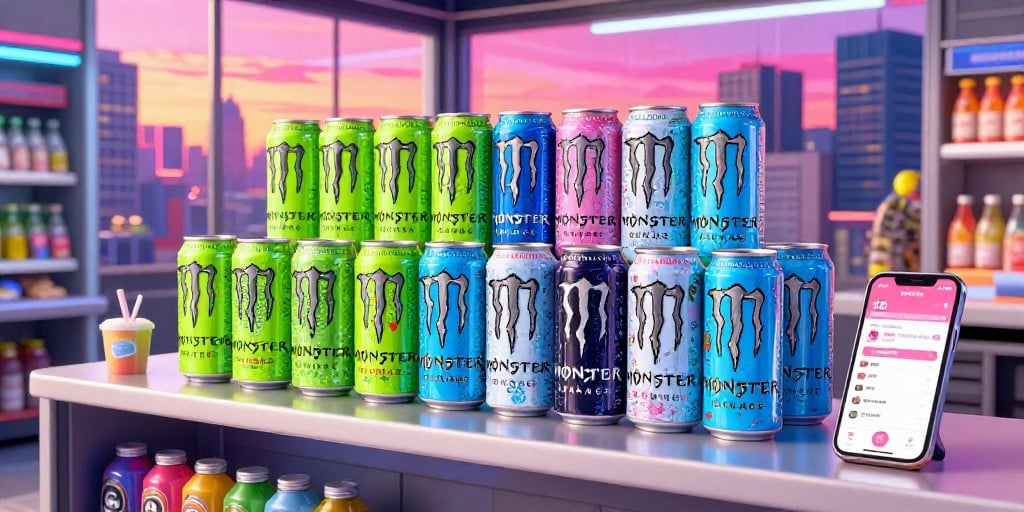
Monster Beverage Corp: Navigating a Shifting Energy‑Drink Landscape
In the wake of a recent discounted‑cash‑flow valuation that placed Monster Beverage Corp. (MNST) below its current market price, analysts have turned to broader macro‑level dynamics to explain the apparent disconnect between the company’s intrinsic worth and its market capitalisation. The discussion has sharpened on several fronts: a volatile pricing trajectory, intensifying competitive pressures, evolving consumer preferences, and the company’s strategic pivot toward product diversification.
Lifestyle Trends, Demographic Shifts, and the Energy‑Drink Ecosystem
The energy‑drink market, once dominated by a handful of flagship brands, is now a mosaic of niche offerings that cater to distinct lifestyles and health consciousness. Younger cohorts—particularly Generation Z and Millennials—are increasingly inclined toward functional beverages that align with wellness, sustainability, and authenticity. These groups demand transparency in sourcing, reduced sugar content, and ingredients that deliver perceived health benefits such as adaptogens or nootropic enhancers. Consequently, brands that can weave these attributes into their product narratives enjoy a competitive advantage that translates into premium pricing and higher margin retention.
The demographic shift toward a more health‑savvy consumer base has already begun to erode the traditional value proposition of high‑caffeine, high‑sugar drinks. Monster, historically reliant on its aggressive marketing and high‑energy positioning, now faces the challenge of redefining its brand identity to resonate with an audience that questions the long‑term health implications of its core product line.
Digital Transformation Meets Physical Retail
The convergence of e‑commerce platforms, social‑media‑driven marketing, and omnichannel retail experiences offers Monster an avenue to offset declining sales in traditional brick‑and‑mortar channels. The company’s recent foray into direct‑to‑consumer initiatives—such as branded subscription boxes and limited‑edition drops sold exclusively through its website—signals an attempt to capture the “experiential” aspect that younger consumers prioritize.
In physical retail, Monster’s strategy of in‑store sampling and experiential pop‑up events can create micro‑communities around the brand, encouraging repeat purchases. These tactile experiences, when coupled with digital engagement—e.g., QR‑coded AR interactions or personalized mobile app promotions—can deepen customer loyalty while collecting valuable data on purchasing behavior.
Generational Spending Patterns and Consumer Experience Evolution
Data suggest that the average spend on energy drinks among Millennials and Gen Z has plateaued, whereas the willingness to pay premium for differentiated, value‑additive products remains high. The brand’s existing portfolio—encompassing energy shots, flavored variants, and CBD‑infused offerings—positions it to meet this demand for diversification. However, sustaining earnings will hinge on the firm’s ability to seamlessly integrate these new categories without diluting its core brand equity.
Consumer experience now extends beyond the product itself; it encompasses the entire brand ecosystem. Monster’s digital content strategy, including influencer collaborations and user‑generated content campaigns, should aim to foster a sense of community rather than mere transactional interaction. Such initiatives can elevate the brand from a mere beverage to a lifestyle symbol.
Forward‑Looking Analysis: Market Opportunities and Risks
Opportunities
- Product Diversification: Expanding into low‑sugar, functional, and premium categories can tap into the health‑centric segment while preserving premium pricing.
- Omnichannel Expansion: Leveraging e‑commerce, subscription models, and experiential retail can offset decline in traditional channel sales.
- Data‑Driven Personalisation: Harnessing consumer data from digital interactions to tailor offers and improve targeting can enhance customer lifetime value.
Risks
- Pricing Volatility: Sustaining a premium positioning amid rising commodity costs and supply chain disruptions remains precarious.
- Regulatory Scrutiny: Increasing regulatory attention on high‑caffeine beverages and marketing to minors could impose operational constraints.
- Competitive Pressures: New entrants and established players innovating on functional ingredients threaten Monster’s market share.
In summary, Monster Beverage Corp. stands at a pivotal juncture where lifestyle trends, digital transformation, and generational preferences converge to redefine the energy‑drink sector. By aligning its product development, retail strategy, and brand experience with these evolving consumer dynamics, Monster can translate societal shifts into robust market opportunities and potentially realign its intrinsic valuation with investor expectations.