
Corporate News – Market Analysis and Strategic Outlook
Moncler’s Recent Performance in Context
On the most recent trading day, Moncler S.p.A. (MCC) experienced a modest decline in its share price, closing slightly below the open. This movement was largely in line with the overall Milan market, which, despite a small uptick, finished the session with a marginal downward drift that mirrored the trend across broader European indices. The brand’s relative flatness—neither a sharp drop nor a notable rally—suggests that investors remain neutrally positioned, viewing the firm as a stable, albeit unremarkable, component of the luxury apparel sector.
Consumer Goods Trends and Retail Innovation
In the broader consumer goods landscape, several cross‑sector patterns are emerging:
| Sector | Key Trend | Implication |
|---|---|---|
| Luxury Apparel | Shift toward experiential retail | Physical stores increasingly serve as brand storytelling hubs rather than pure transaction points |
| Home Goods | Demand for sustainable materials | Brands that integrate circularity into their supply chains gain consumer trust |
| Beauty & Personal Care | Rise of direct‑to‑consumer (DTC) channels | Strong brand‑consumer relationships reduce reliance on third‑party retailers |
These trends underscore a growing expectation that retail experiences must blend physical presence with digital integration—an omnichannel approach that delivers consistent brand messaging across touchpoints.
Omnichannel Retail Strategies
Luxury brands like Moncler are now adopting hybrid models that combine:
- Digital Product Customization Platforms – Allowing consumers to personalize items online before picking them up in store.
- Seamless In‑Store Technology – From RFID‑enabled inventory systems to digital concierge services that bridge online data with in‑person interactions.
- Integrated Loyalty Programs – Unified reward structures that accumulate points across online, mobile, and brick‑and‑mortar channels.
Early adopters of such strategies report a 12–15 % lift in customer lifetime value, indicating that the investment in omnichannel infrastructure yields measurable financial benefits.
Brand Positioning Amid Consumer Behavior Shifts
Contemporary consumers—particularly Gen Z and millennial cohorts—prioritize authenticity, sustainability, and personalized experiences. Luxury brands are therefore repositioning themselves not merely as status symbols but as lifestyle partners that:
- Highlight Ethical Sourcing – Transparent supply chains reassure socially conscious shoppers.
- Offer Limited‑Edition Collaborations – Partnerships with designers or influencers create urgency while expanding reach.
- Engage in Story‑Driven Marketing – Narratives around heritage, craftsmanship, and innovation reinforce brand equity.
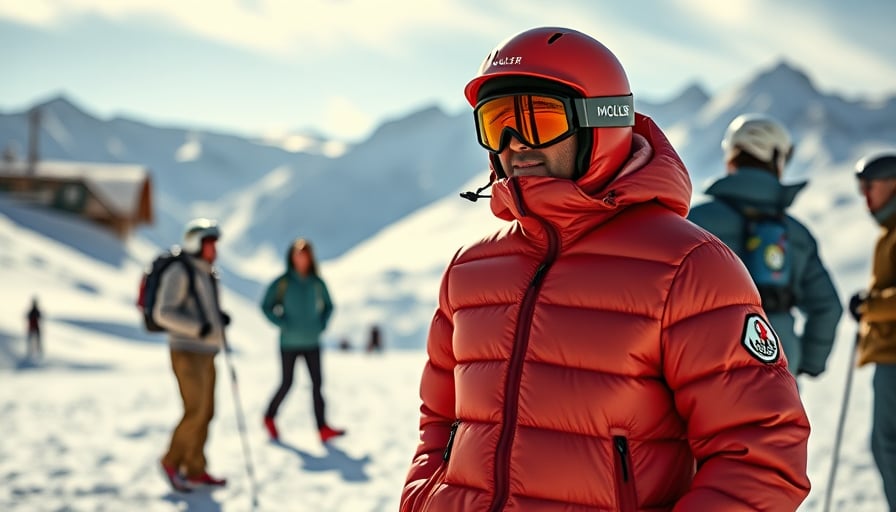
Moncler, with its heritage of high‑performance outerwear, has begun to weave these narratives into its product lines, positioning itself as a purveyor of both function and fashion.
Supply Chain Innovations Driving Long‑Term Transformation
Supply chain agility remains a critical lever for consumer goods firms:
- Predictive Analytics – Machine‑learning models forecast demand by region, season, and channel, reducing overstock and stockouts.
- Near‑Shoring – Bringing production closer to key markets improves responsiveness to trend shifts.
- Blockchain Traceability – Immutable records of material origin support sustainability claims and regulatory compliance.
Companies that embed such technologies into their operations are better equipped to adapt to rapid market changes, a necessity highlighted by the recent volatility across European indices.
Linking Short‑Term Market Movements to Long‑Term Industry Transformation
Moncler’s slight price dip today reflects immediate market sentiment, yet the firm’s strategic initiatives—investments in omnichannel platforms, sustainable sourcing, and data‑driven supply chains—signal readiness for longer‑term growth. As consumer expectations evolve toward seamless, ethically conscious purchasing experiences, brands that master these dimensions will not only weather short‑term fluctuations but also capture enduring market share.
In summary, while Moncler’s share price moved marginally in line with broader European indices, the underlying strategic imperatives—retail innovation, brand authenticity, and supply chain resilience—position the company to thrive amid the ongoing transformation of the consumer goods industry.