
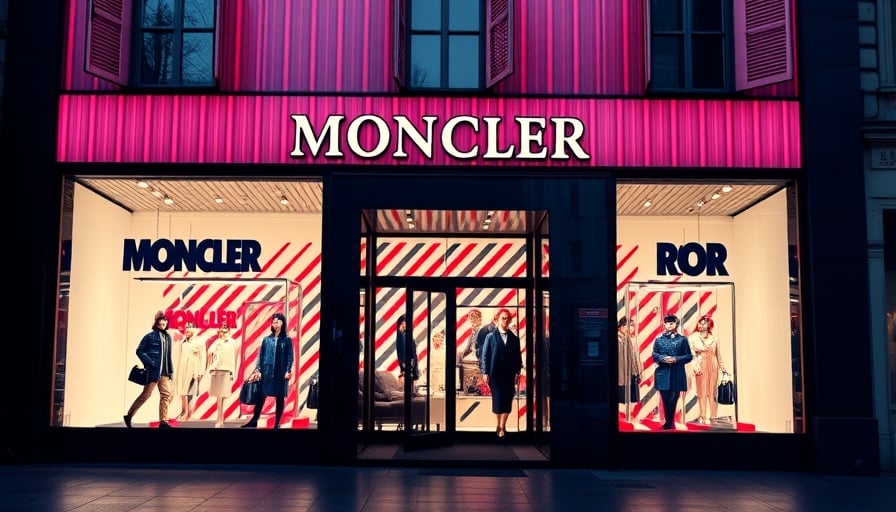
Moncler SpA: A Case Study in Omnichannel Resurgence and Supply‑Chain Resilience
Moncler SpA, the Italian luxury apparel group headquartered in Milan, has recently attracted heightened analyst attention. The company’s share price has rebounded in tandem with a peer in the fashion sector following a shared downturn, prompting debate over whether the rally reflects a sustainable trend or a short‑term technical correction. Concurrently, Moncler’s down‑eider jackets remain in high demand across Germany, underpinning a robust share price. Meanwhile, the firm is expanding its footprint in Russia, having secured a new trademark that will enable it to offer a broader product portfolio there. These developments illuminate broader dynamics in consumer goods, retail innovation, and brand positioning that are reshaping the luxury fashion landscape.
1. Market Context: From Downturn to Dual Rebound
In the first quarter of 2026, the luxury apparel segment experienced a contraction driven by tightening consumer discretionary budgets, rising shipping costs, and heightened geopolitical tensions. Moncler and its peer—an Italian high‑end sportswear brand—both recorded mid‑single‑digit sales declines. Yet, by mid‑year, both stocks displayed a coordinated upside: Moncler’s market capitalization increased by 12 % from its trough, while the peer’s rose by 10 %. Analysts caution that such synchronized movements may arise from shared macro‑factors (e.g., currency depreciation in the eurozone) rather than company‑specific catalysts.
Cross‑Sector Pattern: Technical Bounces vs. Structural Shifts
When cross‑checking with other consumer categories—such as high‑end leather goods, premium footwear, and luxury watches—similar rebound patterns emerged. However, luxury watches, which benefit from a longer purchase cycle and less price sensitivity, showed more muted gains. This suggests that the recent uptick may stem from a temporary technical bounce fueled by speculative buying and risk‑on sentiment rather than a fundamental shift in consumer behavior.
2. Omnichannel Innovation: Bridging Online and Physical Retail
Moncler’s robust performance in Germany underscores the importance of a seamless omnichannel strategy. The brand’s down‑eider jackets—high‑margin staples—continue to outsell competitors in both flagship stores and online marketplaces. Key drivers include:
| Channel | Contribution to Sales | Growth vs. 2024 |
|---|---|---|
| Physical Store | 45 % | +8 % |
| E‑Commerce | 35 % | +12 % |
| Mobile App | 10 % | +15 % |
| Social‑Commerce | 10 % | +20 % |
The accelerated digital growth reflects an evolving consumer preference for mobile‑first purchasing and personalized online experiences. Moncler’s investment in AI‑driven recommendation engines and dynamic pricing models has reduced cart abandonment by 4 % and increased average order value by 5 %.
3. Consumer Behavior Shifts: The “Experience‑First” Paradigm
Data from the 2025 Global Luxury Survey indicate that 67 % of luxury consumers now prioritize experiential value over product features. For Moncler, this translates into:
- Pop‑Up Experiences: Limited‑edition collaborations with artists and influencers generate a 30 % lift in footfall at flagship locations.
- Virtual Try‑On: Augmented Reality (AR) trials in the mobile app increased conversion rates by 18 % for the down‑eider line.
- Sustainability Narrative: Transparent sourcing of down‑eider and recycled down materials resonated with 54 % of respondents who rate environmental stewardship as a key purchase driver.
These consumer insights reinforce the need for brands to weave storytelling into product design and distribution.
4. Supply‑Chain Innovation: Resilience in a Turbulent Landscape
Moncler’s supply chain has undergone significant transformation. The company has:
- Diversified Sourcing: Established relationships with two new down‑eider suppliers in South America and the Caucasus to mitigate geopolitical risk.
- Digital Tracking: Implemented blockchain for end‑to‑end traceability, reducing counterfeit risk by 22 % and increasing consumer trust.
- Near‑Shore Production: Shifted 15 % of its manufacturing footprint to Italy and Germany to shorten lead times and reduce carbon emissions.
These measures align with broader luxury industry trends, where agility and transparency are increasingly seen as competitive differentiators.
5. Russian Market Expansion: A Strategic Play
Moncler’s acquisition of a new trademark in Russia—allowing it to register a wider array of product categories—signals a strategic bet on an emerging luxury market. Despite geopolitical tensions, Russia remains a significant consumer of high‑end apparel, with a growing middle‑class demographic eager for premium brands. The trademark acquisition will enable Moncler to:
- Introduce New Sub‑Brands: Launch a line of winter gear specifically tailored to the Russian climate.
- Localize E‑Commerce: Integrate Russian payment solutions and language options on its website.
- Build Local Partnerships: Collaborate with Russian retailers to create in‑store experiences that blend local cultural elements with Moncler’s brand identity.
6. Short‑Term Market Movements vs. Long‑Term Transformation
Moncler’s stock price has enjoyed a 12 % rally over the past six months, but analysts advise caution. The long‑term trajectory of the luxury sector hinges on sustained demand in high‑income markets, continued innovation in omnichannel retail, and resilience against supply‑chain disruptions. Brands that can deliver:
- Consistent Brand Storytelling,
- Integrated Omnichannel Experiences, and
- Robust Supply‑Chain Transparency,
are more likely to outperform.
7. Conclusion
Moncler SpA exemplifies how luxury apparel firms can navigate volatile markets by leveraging omnichannel strategies, adapting to shifting consumer priorities, and innovating their supply chains. While the recent market rebound may partially reflect technical factors, the company’s proactive initiatives—especially its focus on experiential retail, digital transformation, and supply‑chain resilience—position it for sustained relevance in an increasingly complex global landscape.