
Moncler S.p.A.: From Alpine Utility to Global Luxury Icon
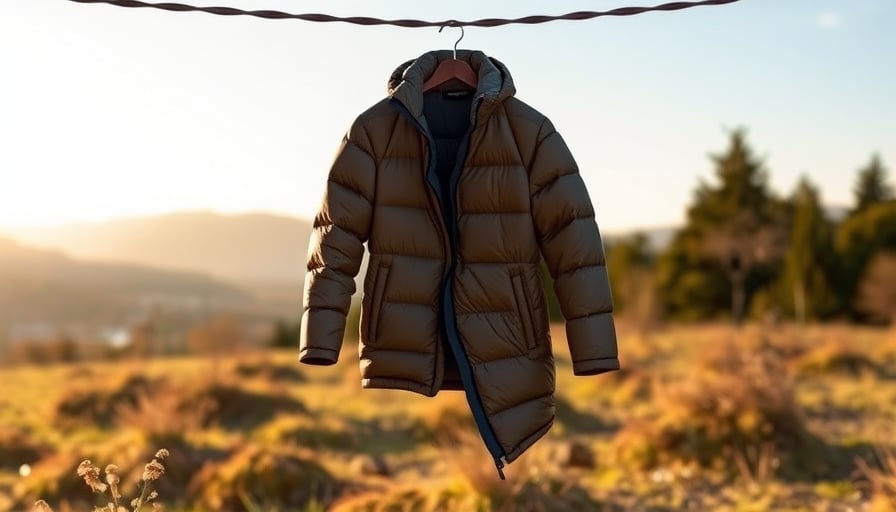
Moncler S.p.A. has once again demonstrated its ability to blend heritage and innovation in a way that resonates across multiple consumer segments. The company’s recent partnership with the Brazilian Olympic team—where its signature down jacket was adapted for the Winter Games ceremonies in Milan–Cortina—serves as a microcosm of larger trends in luxury retail, digital transformation, and evolving lifestyle expectations.
1. The Luxury‑Utility Convergence
Moncler’s journey from a niche skiwear provider to a status‑symbol brand illustrates a broader industry movement toward utility‑luxury convergence. The brand’s emphasis on premium performance materials, coupled with an unmistakable design aesthetic, has cultivated a loyal customer base that spans several generations:
| Generation | Core Values | Spending Behaviour | Interaction with Moncler |
|---|---|---|---|
| Baby Boomers | Reliability, craftsmanship | High willingness to invest in timeless pieces | In‑store consultations, limited‑edition releases |
| Gen X | Quality, brand heritage | Pragmatic luxury purchases | Online research, click‑and‑collect services |
| Millennials | Authenticity, sustainability | Preference for experiential buying | Augmented‑reality try‑ons, social‑media collaborations |
| Gen Z | Fast fashion meets sustainability | Demand for personalized, tech‑enabled experiences | Interactive pop‑ups, influencer partnerships |
This generational matrix underscores why a brand that can deliver both performance and prestige remains attractive to consumers who increasingly value experiences over mere ownership.
2. Digital Transformation Meets Physical Retail
Moncler’s Olympic collaboration highlights how the brand leverages digital channels to enhance the physical retail experience:
- Augmented Reality (AR) Try‑On – Customers can virtually layer Moncler jackets over their own photos, blending the convenience of e‑commerce with the tactile confidence of in‑store fitting.
- Interactive Pop‑Ups – The Olympic partnership inspired a series of time‑limited pop‑ups that merged storytelling (the mountain heritage) with immersive digital installations, attracting both local and tourist footfall.
- Social‑Commerce Integration – Behind‑the‑scenes footage from the design process, featuring Remo Ruffini and Oskar Metsavaht, is shared on Instagram and TikTok, creating a seamless bridge between the digital narrative and the product.
The convergence of digital and physical touchpoints not only augments customer engagement but also offers data‑rich insights into buying patterns—information that can inform inventory allocation, personalized marketing, and future product development.
3. Consumer Experience Evolution
The modern consumer seeks authenticity, personalization, and sustainability. Moncler’s response is evident in several initiatives:
- Sustainable Materials – Utilisation of recycled down and eco‑friendly dyes aligns with the growing demand for environmentally responsible luxury.
- Storytelling Platforms – The brand’s content strategy tells the narrative of mountain resilience and contemporary design, resonating with adventure‑oriented and socially conscious buyers.
- Omni‑Channel Consistency – Seamless transitions between online, mobile, and physical stores ensure that the luxury experience is preserved regardless of the channel.
These elements collectively enhance customer lifetime value and strengthen brand loyalty across demographic slices.
4. Market Outlook and Strategic Positioning
Moncler’s recent Olympic collaboration, coupled with the overall positive momentum of Milan’s stock index and favorable developments across Europe and the United States, suggests a stable outlook for its consumer discretionary segment. Key factors driving this stability include:
- Resilient Brand Equity – The partnership with a high‑profile sporting event reinforces Moncler’s status as a luxury‑performance leader.
- Digital‑Physical Synergy – Integrated retail strategies reduce reliance on any single channel and buffer against market volatility.
- Diversified Demographic Appeal – The brand’s capacity to engage multiple generational cohorts provides a broad revenue base.
Investors and industry observers should therefore consider Moncler as a case study in how cultural relevance and technological adaptation can secure long‑term growth in the competitive luxury apparel market.
5. Forward‑Looking Analysis
Looking ahead, Moncler’s strategic focus should prioritize:
- Expanding Digital Innovation – Investing in AI‑driven personalization tools will deepen customer engagement and refine inventory management.
- Strengthening Sustainability Credentials – Transparent reporting on carbon footprints and circularity initiatives can appeal to Gen Z and Millennial consumers.
- Leveraging Global Sporting Partnerships – Collaborations beyond the Winter Olympics (e.g., emerging sports, esports, or cultural festivals) can broaden exposure and diversify brand narratives.
- Optimising Omni‑Channel Logistics – Enhancing last‑mile delivery and reverse‑logistics will improve the customer experience across touchpoints.
By aligning these initiatives with shifting societal values—such as an increased emphasis on wellness, eco‑responsibility, and experiential consumption—Moncler can convert cultural trends into concrete market opportunities, thereby reinforcing its leadership in both performance apparel and luxury retail.