Impact of Middle East Tensions on Global Supply Chains and the Chemicals Sector
The recent escalation of tensions in the Middle East has intensified concerns among investors about supply‑chain vulnerabilities across a broad spectrum of industries. While the immediate effect is most pronounced on sectors that depend heavily on energy and logistics, ripple effects are now being felt in the chemicals and plastics sector. Companies such as LyondellBasell Industries NV are positioned to benefit from tighter raw‑material supplies.
Supply‑Chain Disruptions and Energy Price Dynamics
- Shipping lane disruptions and the heightened risk of attacks on critical infrastructure have led to a sharp uptick in energy prices.
- The increase in fuel costs has prompted a reassessment of commodity‑heavy businesses, shifting investor focus from traditional energy stocks to those in the chemicals and materials space.
Effects on the Chemicals Industry
- The partial closure of a major liquefied natural gas (LNG) facility has triggered a helium shortage, already impacting semiconductor manufacturers.
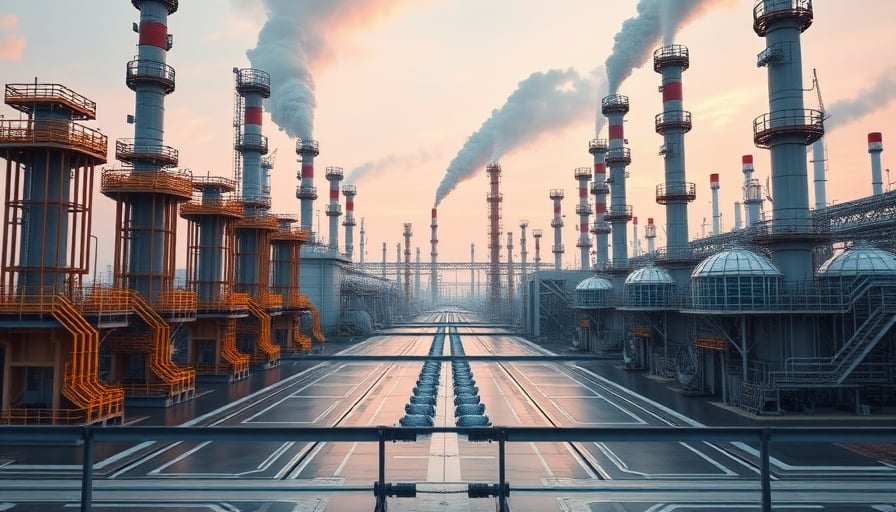
- More pronounced effects are observed in the production of ethylene and polyethylene. Constrained availability of these feedstocks has pushed up their prices, offering margin relief for firms that rely on them as raw materials for plastics, detergents, and polyester.
- LyondellBasell Industries NV, a leading producer of ethylene and downstream polymers, is therefore expected to see its profitability improve as demand for its products rises amid tighter supplies.
Market Response
- Global equity indices have slipped as investors weigh the possibility of sustained higher energy costs and the potential for prolonged conflict to disrupt trade routes.
- The shift in investor focus from traditional energy stocks to those in the chemicals and materials space reflects a recognition that the conflict’s economic footprint extends well beyond crude oil and natural gas.
Strategic Implications for Businesses
- Companies with robust supply‑chain resilience are likely to maintain a more favorable position.
- Firms operating in sectors that are likely to experience demand‑side upside—particularly those producing essential polymers and chemicals—may benefit from the current environment.
- The broader economic trend suggests that diversification across commodity‑heavy industries can serve as a hedge against geopolitical volatility, emphasizing the importance of adaptable supply‑chain strategies and proactive risk management.
In summary, the Middle East conflict has created a complex interplay of supply‑chain challenges and market opportunities, particularly within the chemicals and plastics sector. Investors and corporate strategists alike are advised to monitor these dynamics closely, as they underscore the interconnected nature of global trade, energy markets, and industrial demand.