Corporate Analysis: Metro Inc. Navigates a Transformative Phase
Metro Inc.’s latest quarterly disclosures reveal a company that is recalibrating its business mix while capitalizing on emerging consumer trends. The modest rebound in profitability, achieved after a period of restructuring, underscores how strategic realignment can dovetail with broader societal shifts—particularly in the realms of digital‑physical retail convergence, generational spending, and evolving consumer experiences.
1. Digital Transformation Meets Physical Retail
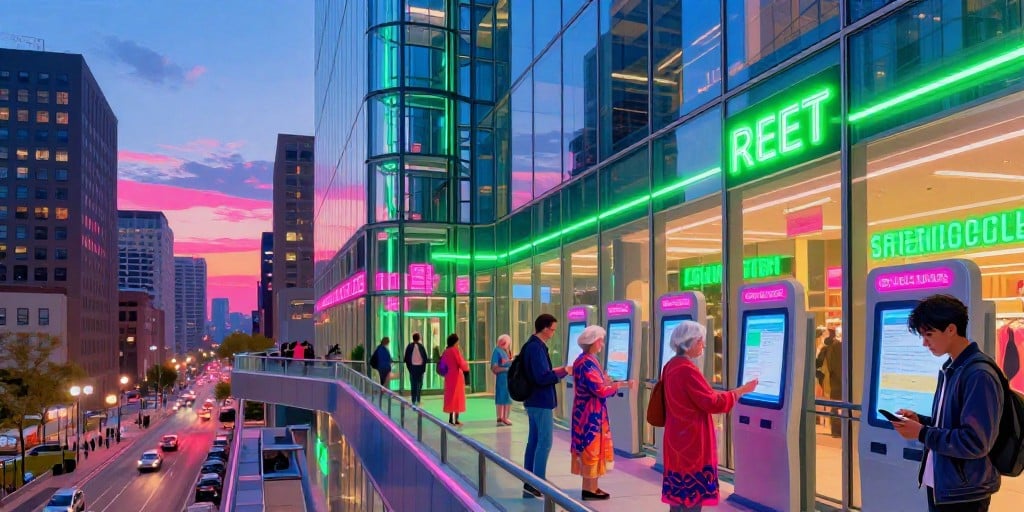
The company’s pivot toward integrated event management, logistics, and tourism services reflects a broader industry trend: the blurring line between online and offline customer touchpoints. As consumers increasingly demand seamless, immersive experiences, firms that can orchestrate both the digital narrative and the physical venue gain a competitive advantage.
Hybrid Event Models: By acquiring new venue operations, Metro is positioned to host hybrid sports competitions and cultural activities that combine in‑person attendance with virtual engagement. This hybrid model caters to Gen Z and Millennials, who value shared experiences that can be accessed from anywhere.
Omni‑Channel Revenue Streams: Synchronizing logistics with venue operations allows Metro to monetize ancillary services—ticketing, merchandising, and travel arrangements—within a single ecosystem. Such integration reduces friction for consumers and enhances data collection, enabling more personalized offerings.
2. Generational Spending Patterns
Metro’s focus on sports and cultural events aligns with the spending preferences of younger demographics, who prioritize experiences over material goods. According to recent market studies, Gen Z and Millennials allocate a larger proportion of discretionary income to live events, travel, and digital experiences.
Experience Economy: The company’s expanded portfolio of major sports competitions and large‑scale cultural activities taps directly into the experience economy. By offering premium, curated events, Metro can command higher ticket prices and secure ancillary revenue from sponsorships and media rights.
Subscription‑Style Models: While not explicitly mentioned in the earnings call, the integration of logistics and tourism services opens pathways for subscription‑based access to recurring events or loyalty programmes that reward frequent attendance—a strategy that resonates with younger consumers who value convenience and exclusivity.
3. Evolution of Consumer Experiences
The evolution of consumer expectations—toward sustainability, personalization, and community—creates fresh market opportunities for Metro.
Sustainable Event Practices: By leveraging its logistics expertise, Metro can implement carbon‑neutral travel options, eco‑friendly venue operations, and circular merchandise solutions. These initiatives not only meet regulatory pressures but also appeal to the environmentally conscious consumer segment.
Data‑Driven Personalization: With consolidated data from ticket sales, travel bookings, and on‑site interactions, Metro can develop predictive models to tailor event recommendations, dynamic pricing, and targeted marketing, thereby increasing customer lifetime value.
4. Forward‑Looking Financial Implications
The company’s financial outlook for the fourth quarter is anchored in the timely settlement and revenue recognition of key events. Several factors suggest a continued positive trajectory:
Improved Profitability Drivers: The reported modest uptick in profitability is attributed to a shift in business mix, favorable accounting recognition timing, and the assimilation of newly acquired assets. These factors collectively reduce operating costs while boosting top‑line growth.
Revenue Diversification: By aligning logistics and tourism services with venue operations, Metro creates a diversified revenue base that cushions against fluctuations in any single sector. This resilience is critical in an era of unpredictable consumer behavior and economic volatility.
Strategic Asset Consolidation: The management’s emphasis on consolidating core assets—while simultaneously expanding into complementary services—positions Metro to capitalize on cross‑sell opportunities and to scale rapidly in high‑margin segments such as premium event sponsorships and branded content.
5. Market Opportunities for Stakeholders
Investors and industry participants should note the following actionable insights:
- Track Hybrid Event Performance: Monitor Metro’s ability to execute hybrid events successfully, as this will be a key barometer of its digital‑physical integration capabilities.
- Evaluate Logistics Synergies: Assess how effectively the company leverages its logistics arm to reduce overhead and enhance customer convenience, thereby driving repeat attendance.
- Watch for Sustainability Initiatives: Keep an eye on any green certifications or sustainability milestones that may improve brand perception and unlock new customer segments.
- Gauge Consumer Sentiment: Pay attention to consumer reviews and engagement metrics related to Metro’s events; high satisfaction scores typically translate into higher ticket renewal rates and brand advocacy.
In sum, Metro Inc.’s strategic realignment—anchored in the convergence of digital and physical retail, aligned with generational spending patterns, and responsive to evolving consumer experiences—creates a robust framework for sustained financial improvement. As societal changes continue to reshape the consumer landscape, companies that adeptly weave together these elements are poised to unlock significant market opportunities.