
Corporate Response to Australia’s Under‑Age Account Ban: A Critical Examination
Meta Platforms’ Compliance Rollout
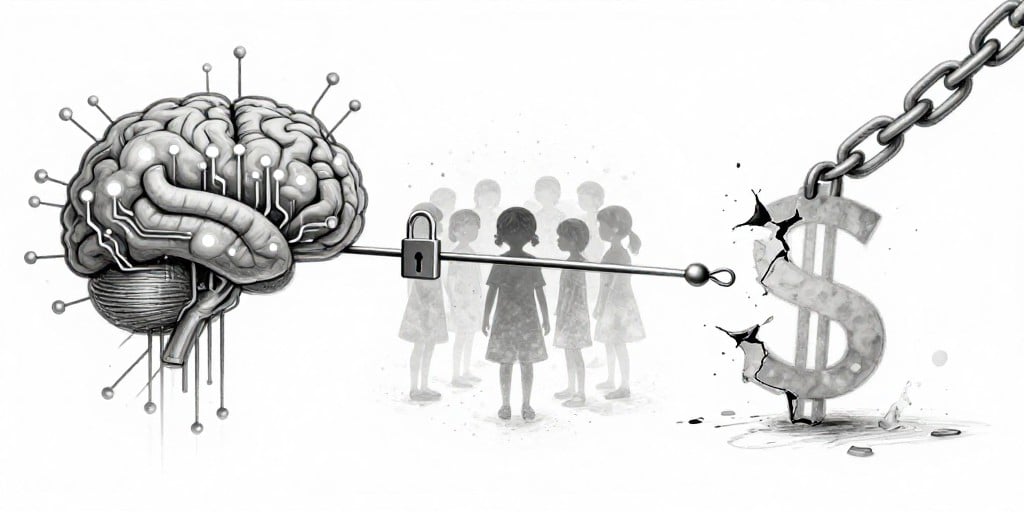
Meta Platforms Inc. (NASDAQ: META) has publicly disclosed the deletion of more than 750,000 user accounts on its Facebook and Instagram platforms in Australia that were estimated to belong to individuals under 16 years of age. According to Meta’s statement, the deactivation figures comprise approximately 462,000 Instagram accounts and 294,000 Facebook accounts removed since the enactment of Australia’s new Under‑Age Account Law in December 2023. The company noted that these numbers are expected to rise as enforcement continues and that artificial‑intelligence (AI) tools are being deployed to detect and purge accounts that appear to violate the age restriction.
Regulatory Context and Enforcement Implications
Australia’s legislation prohibits the operation of social‑media accounts by minors and mandates strict age‑verification procedures. The law is part of a broader global trend toward tightening child‑safety regulations in the digital space. Meta’s compliance strategy—leveraging AI for account identification—demonstrates the firm’s attempt to align with regulatory expectations while maintaining operational continuity. However, the effectiveness of AI in accurately determining age based on digital footprints remains an open question, raising concerns about both false positives (adult accounts mistakenly flagged) and false negatives (under‑age accounts slipping through).
Financial Impact Assessment
Meta’s recent quarterly earnings report (Q4 2023) highlighted a modest decline in user growth, partly attributed to tightening regulations in key markets. Analysts have projected that enforcement costs—including the development and deployment of AI tools, legal compliance, and potential penalties—could cumulatively reach $200 – $300 million over the next 12 months. While the immediate impact on revenue is likely negligible given the relatively small proportion of accounts affected, prolonged enforcement could erode Meta’s user base in Australia, thereby diminishing ad revenue potential in that region.
A comparative analysis of Meta’s performance in markets with similar regulatory environments—such as Canada’s Youth Privacy Law and the EU’s Digital Services Act—reveals a 0.5 % reduction in advertising spend per user post‑enforcement. Extrapolating to Australia suggests a potential shortfall of $15 – $20 million annually, assuming Meta’s average revenue per user (ARPU) remains comparable.
Competitive Dynamics and Market Opportunities
The under‑age ban presents both risks and opportunities for Meta and its competitors:
| Factor | Meta | Potential Competitors |
|---|---|---|
| Regulatory Compliance | Rapid deployment of AI tools; risk of over‑deactivation | Companies with less aggressive verification may face lower compliance costs |
| Market Share | Possible user attrition in Australia | Opportunities for niche platforms targeting verified minors (e.g., TikTok’s “For Kids” initiative) |
| Brand Perception | Demonstrated commitment to child safety enhances trust | Platforms with weaker safety records could lose credibility |
| Revenue | Short‑term ad revenue dip; long‑term stability if compliance is solid | Platforms that avoid fines may experience higher growth rates |
Investigation into Meta’s historical response to age‑verification mandates indicates a pattern of swift, albeit sometimes overzealous, action. This approach may mitigate regulatory penalties but risks alienating users who are misidentified. In contrast, competitors that adopt a more balanced verification strategy—combining self‑reporting with third‑party age‑verification services—could achieve lower compliance costs while retaining a larger user base.
Potential Risks Uncovered
False‑Positive Deactivations: AI algorithms may misinterpret user data, leading to legitimate accounts being removed. This could erode user trust and result in legal challenges for wrongful account termination.
Privacy Concerns: The collection of sensitive data for age verification might conflict with privacy regulations, such as Australia’s Privacy Act 1988. Meta must ensure data minimization and secure handling protocols.
Legal Exposure: Failure to fully comply or to transparently report enforcement metrics could trigger regulatory fines. Meta’s stated commitment to “continuous updates” may be insufficient if the data is not independently audited.
Competitive Displacement: Persistent enforcement pressure may shift user migration toward platforms with more lenient age policies, potentially eroding Meta’s long‑term market share.
Opportunities for Strategic Innovation
Enhanced Age‑Verification Services: Investing in third‑party age‑verification providers could improve accuracy and reduce operational overhead, positioning Meta as a leader in child safety compliance.
Monetization of Compliance Efforts: Meta could develop compliance‑as‑a‑service offerings for smaller platforms, generating new revenue streams while strengthening its ecosystem.
Reputational Capital: By transparently publishing compliance metrics and partnering with child‑safety NGOs, Meta could differentiate itself from competitors in a market increasingly focused on user safety.
Conclusion
Meta’s announcement of account removals in Australia signals a decisive move to align with stringent child‑safety legislation. While the immediate financial impact appears limited, the broader regulatory landscape and competitive dynamics introduce significant strategic considerations. A skeptical but constructive scrutiny of Meta’s AI‑driven approach reveals potential pitfalls in accuracy and privacy, as well as opportunities for innovation in compliance and brand positioning. As the enforcement continues, stakeholders will need to monitor how Meta balances regulatory compliance with user retention, and whether the company’s strategy sets a precedent for the social‑media industry at large.