Merck & Co. Expands Oncology Portfolio with Global License for Oral KRAS G12D Inhibitor
Merck & Co., Inc. (NYSE: MRK) announced a strategic partnership with Chinese biotechnology company SciBrunch Therapeutics to secure an exclusive global license for the development, manufacturing, and commercialization of a pre‑clinical oral KRAS G12D inhibitor, SPR2015. The agreement includes an upfront consideration and milestone payments that could elevate the transaction’s total value to approximately $2.13 billion.
Scientific Rationale and Therapeutic Potential
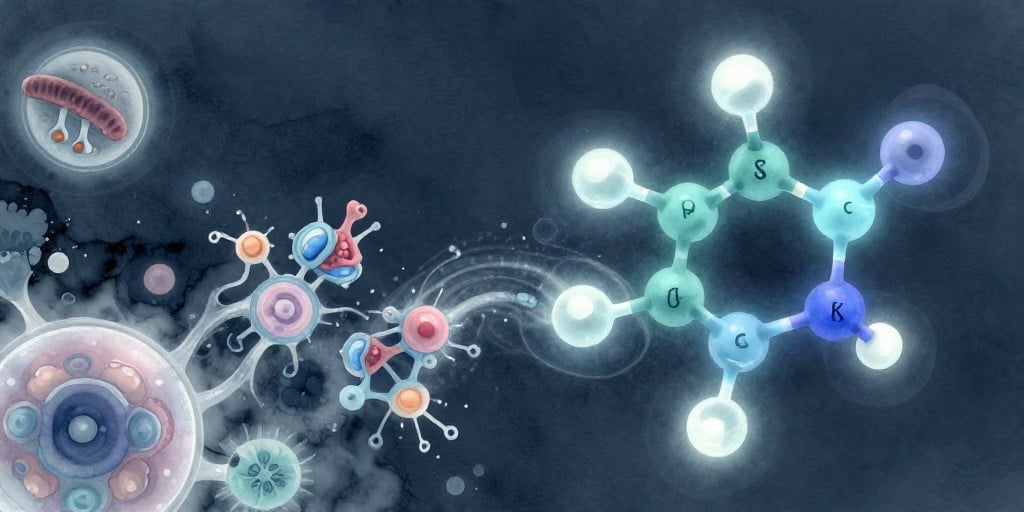
KRAS G12D Mutation The KRAS gene encodes a GTPase that transduces signals from receptor tyrosine kinases to downstream effectors such as RAF/MEK/ERK and PI3K/AKT. The G12D substitution results in constitutive activation of KRAS, promoting uncontrolled proliferation and survival in a range of solid tumors, notably pancreatic ductal adenocarcinoma (PDAC) and colorectal cancer (CRC). Historically, KRAS has been deemed “undruggable” due to its high affinity for GTP/GDP and lack of suitable pockets for small‑molecule binding.
SPR2015 Mechanism of Action SPR2015 is a covalent, nucleotide‑competitive inhibitor that selectively targets the mutant cysteine in the G12D pocket, locking KRAS in an inactive GDP‑bound state. Pre‑clinical studies demonstrate potent inhibition of KRAS downstream signaling, tumor cell apoptosis, and tumor regression in KRAS G12D‑positive xenograft models, with acceptable pharmacokinetic profiles in rodents and non‑human primates.
Oral Bioavailability and Patient Convenience Oral administration offers significant advantages over current intravenous therapies, including improved adherence, reduced healthcare resource utilization, and potential for combination with other oral agents (e.g., MEK or PI3K inhibitors). Early ADME studies suggest favorable oral absorption, metabolic stability, and a half‑life compatible with once‑daily dosing.
Clinical Development Pathway
Phase I/II Combination Studies The first-in‑human studies are anticipated to assess safety, tolerability, pharmacokinetics (PK), and pharmacodynamics (PD) of SPR2015 alone and in combination with standard-of-care chemotherapies or targeted agents. The design will incorporate adaptive biomarker endpoints (e.g., KRAS–GTP levels in circulating tumor cells) to confirm target engagement.
Regulatory Strategy
- Fast‑Track and Breakthrough Designation: Given the unmet need for KRAS G12D‑driven cancers, the FDA and EMA may consider expedited review pathways.
- Orphan Drug Status: For specific indications such as KRAS G12D‑positive PDAC, which has limited therapeutic options, orphan designation could facilitate accelerated approval and market exclusivity.
- Risk‑Based Safety Monitoring: Due to the oncogenic nature of the target, a robust pharmacovigilance plan will be essential, incorporating early detection of off‑target effects, particularly in the MAPK and PI3K pathways.
- Commercial Considerations Merck’s portfolio faces the impending expiration of key immunotherapies, notably the anti‑PD‑1/PD‑L1 agents that have dominated the market for the past decade. By diversifying into precision‑oncology therapeutics such as SPR2015, Merck aims to maintain growth momentum and mitigate the risk associated with patent cliffs.
Merck’s Strategic Context
| Strategic Focus | Current Initiatives | Impact on Portfolio |
|---|---|---|
| Pipeline Diversification | Exclusive global license for SPR2015 | Adds a novel targeted therapy to counteract immunotherapy expirations |
| Precision Oncology Expansion | Development of KRAS G12D inhibitor | Positions Merck as a leader in targeted mutational therapies |
| Digital and Technological Infrastructure | Appointment of Vidhya Sundaram as Associate VP of Global Technology Centres; head of Hyderabad hub | Strengthens data analytics, AI‑driven drug discovery, and global R&D collaboration |
Leadership Appointment: Enhancing Global Technology Capabilities
Merck’s U.S. subsidiary, MSD, announced the appointment of Vidhya Sundaram as Associate Vice President of Global Technology Centres and Head of the Hyderabad technology hub. Sundaram’s role underscores Merck’s commitment to integrating advanced digital solutions—such as artificial intelligence for biomarker discovery, cloud‑based data platforms for clinical trial management, and automated manufacturing controls—into its research, development, and commercial operations. The Hyderabad hub will serve as a regional innovation center, fostering collaboration between Merck’s global teams and local academic institutions.
Conclusion
The Merck–SciBrunch partnership represents a significant step in advancing a previously elusive target within oncology. By securing the rights to develop and commercialize an oral KRAS G12D inhibitor, Merck not only broadens its therapeutic portfolio but also aligns with broader industry shifts toward precision medicine and digital transformation. While SPR2015 remains in the pre‑clinical phase, the robust scientific rationale, favorable early data, and planned clinical pathway position it as a potentially transformative addition to Merck’s oncology armamentarium.