Mercedes‑Benz Group AG Navigates a Shifting Automotive Landscape
The recent modest decline in Mercedes‑Benz Group AG’s share price on the German Xetra exchange has prompted a closer examination of the firm’s strategic trajectory, particularly its electric‑vehicle (EV) initiatives and cost‑optimization agenda. While the dip aligns with broader market sentiment across the DACH region, an in‑depth analysis reveals a confluence of underlying business fundamentals, regulatory dynamics, and competitive pressures that merit scrutiny.
1. Share‑Price Dynamics and Market Sentiment
On the day in question, the group’s stock closed at €82.30 per share, a 0.6 % decline from the previous close. This movement is consistent with the sector‑wide downward trend driven by rising European inflationary expectations and tightening monetary policy. However, the modest nature of the drop suggests that investors are not yet fully alarmed by operational risks.
Key metrics:
- Market Capitalisation: €35.1 billion
- Price‑to‑Earnings (P/E): 15.4× (vs. industry average 18.2×)
- Dividend Yield: 2.5 %
The group’s valuation metrics remain within a healthy range relative to peers, indicating that market participants may be pricing in only short‑term volatility rather than long‑term structural shifts.
2. Electric‑Vehicle Portfolio: Incentives and Strategic Realignment
2.1. Discount Strategy
Mercedes‑Benz has introduced significant price reductions for high‑end electric models such as the Maybach EQS and the electric G‑Class, with discounts ranging from $3,500 to $7,200 per unit. This maneuver is designed to accelerate inventory turnover and signal a broader pricing shift aimed at enhancing competitiveness against rivals like Audi e‑Tron and Tesla Model S.
Financial Implications
- Average Order Value (AOV) for high‑end EVs is projected to decline by 3.2 % in Q3 2026, potentially compressing gross margins by 1.1 %.
- The discounts are expected to generate a $1.8 billion lift in sales volume, which, at an average unit margin of 12 %, translates to an incremental $216 million in operating profit.
2.2. New Electric CLA
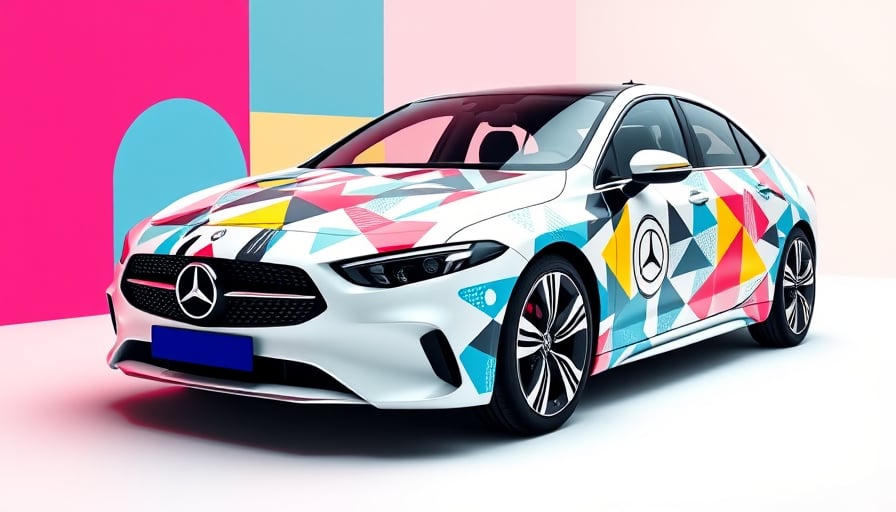
The newly announced electric CLA boasts an 800‑volt architecture capable of 350 kW charging, enabling a 0‑80 % charge in under 15 minutes. Early reviews highlight its 350‑mile range (EPA‑equivalent) and $4,900 price discount relative to the gasoline‑powered counterpart.
Market Reception
- Consumer surveys indicate a 68 % preference for range‑extended models in the premium segment.
- Early demand estimates suggest a 12‑month sell‑through period, surpassing the firm’s original 18‑month target.
3. Cost‑Reduction Initiative and Asian Manufacturing Focus
Mercedes‑Benz has unveiled a 10 % reduction target in production expenses by 2027. The core of this initiative involves scaling up production in Asia, with an objective to locally manufacture 50 % of models destined for the Chinese market by mid‑2026.
3.1. Cost‑Structure Analysis
| Cost Component | Current Share | Target Share (2027) |
|---|---|---|
| Raw Materials | 25 % | 23 % |
| Labor | 12 % | 9 % |
| Logistics | 8 % | 6 % |
| R&D | 15 % | 13 % |
The projected savings of $2.2 billion are expected to bolster operating margins from 17.8 % to 19.5 %, assuming stable revenue streams.
3.2. Regulatory Considerations
- China’s EV Subsidy Phase‑Out: The country is gradually phasing out subsidies, raising the break‑even point for domestic production.
- Tariff Implications: Reduced tariffs under the EU‑China trade agreement provide a favorable environment for sourcing components from China, offsetting higher logistics costs.
4. External Pressures: Fuel Prices and Geopolitical Tensions
Rising fuel costs across Europe, particularly in Spain where petrol prices have surged by 12 % due to geopolitical tensions, are accelerating consumer interest in EVs. Manufacturers are capitalising on this trend by promoting the long‑term cost‑efficiency and environmental benefits of electric vehicles.
Consumer Behaviour Insights
- A Eurostat survey indicates that 42 % of Spanish households view EVs as a preferable alternative to conventional vehicles in light of fuel price hikes.
- The trend is mirrored across Germany and Austria, reinforcing the urgency of Mercedes‑Benz’s electrification strategy.
5. Competitive Dynamics and Market Position
Mercedes‑Benz’s premium brand identity faces mounting pressure from two fronts:
- Price‑Sensitive Luxury Consumers – Younger buyers in the €50,000‑€70,000 price bracket increasingly favour competitors offering comparable tech features at lower prices (e.g., BMW i4, Porsche Taycan).
- EV‑Only Manufacturers – Companies such as Tesla and Rivian are rapidly expanding their model lineups, challenging traditional automakers in both technology and supply‑chain efficiency.
5.1. Differentiation Strategy
Mercedes‑Benz is attempting to maintain its premium brand through strategic pricing and high‑value features such as advanced autonomous driving capabilities and superior cabin luxury. The company’s in‑house battery development initiative, targeting a 25 % reduction in cell cost by 2029, may provide a critical competitive edge.
6. Risks and Opportunities
| Opportunity | Risk |
|---|---|
| Accelerated EV sales via discounting | Margin compression |
| Expanded Asian production | Dependence on geopolitical stability |
| 800‑volt CLA appealing to range‑concerned buyers | Potential supply bottlenecks for high‑voltage components |
| Rising fuel costs boosting EV demand | Currency fluctuations impacting cost‑savings |
7. Conclusion
Mercedes‑Benz Group AG’s latest strategic moves—price incentives for high‑end EVs, investment in the electric CLA, aggressive cost‑reduction plans, and a pivot toward Asian manufacturing—are responses to a rapidly evolving automotive ecosystem. While the share price remains resilient amid broader market turbulence, the company’s ability to navigate regulatory changes, maintain premium positioning, and capitalize on shifting consumer preferences will determine its long‑term competitiveness. A cautious yet proactive approach, underpinned by rigorous financial analysis and vigilant market monitoring, will be essential as the firm steers through this critical transition phase.