Corporate Update – Mercedes‑Benz Group AG
Production Disruptions in German Facilities
In the Sindelfingen plant, the Group reported a temporary shortfall of specific components that caused the cancellation of a single production shift. Management confirmed that the line would return to normal output the following day. No further details regarding the affected parts or suppliers were released. The incident underscores the sensitivity of the automotive supply chain to component availability and highlights the need for robust risk management across the production network.
The van production site in Ludwigsfelde remains in a state of uncertainty. A potential sale of the facility to the German defence contractor KNDS has stalled because the transaction is contingent upon a sizeable but as yet uncommitted order from the Bundeswehr for new armoured vehicles. The delay in that order leaves the future of the Ludwigsfelde plant unresolved, raising concerns about job security for its 1,800 employees. This situation illustrates the interdependence between commercial production facilities and defence contracts, a dynamic that can influence workforce planning and capital allocation.
Market Positioning in the Passenger‑Vehicle Segment
Mercedes‑Benz’s share of the European passenger‑vehicle market continued to experience modest pressure. While the overall regional position of the Group remained relatively stable, a slight decline was observed in the share of premium models. This trend reflects intensified competition from other luxury marques, which are leveraging brand differentiation and technological innovation to capture market share. The Group’s response involves reinforcing its premium portfolio with electrification and advanced driver‑assist technologies, aiming to sustain differentiation in a crowded luxury segment.
Advancement of the Electric‑Vehicle Strategy
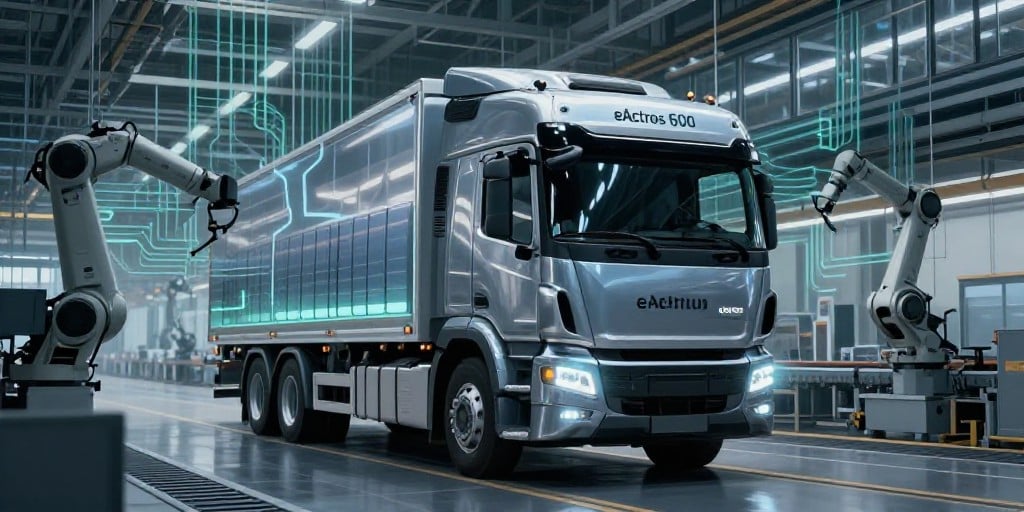
The introduction of the eActros 600 low‑liner at the IAA Transportation show marks a significant milestone in Mercedes‑Benz’s electrified freight transport strategy. The model’s deployment signals a continued push into electrified commercial vehicle markets, aligning with broader industry trends toward decarbonisation and regulatory mandates. By extending electrification to heavy‑duty freight, the Group expands its portfolio beyond passenger vehicles, potentially creating synergies in battery technology, charging infrastructure, and logistics solutions.
Financial Outlook
Mercedes‑Benz has not yet disclosed detailed quarterly results but has indicated that the impact of the Sindelfingen supply‑chain hiccup is expected to be limited. Management continues to prioritize production continuity and is actively pursuing strategic opportunities in both the commercial and defence sectors. The Group’s focus on maintaining operational resilience, while simultaneously expanding its electrified offerings, reflects an adaptive approach to the evolving macroeconomic environment and sector‑specific dynamics.