Mercedes‑Benz Group AG Navigates a Pivotal Transition in 2026
Overview of First‑Quarter Performance
Mercedes‑Benz Group AG’s first‑quarter earnings for 2026 reveal a contraction that echoes broader industry pressures. Revenue slipped by 3.8 % YoY, driven largely by a 12.4 % decline in internal‑combustion vehicle (ICE) sales across Europe and North America. EBITDA margin fell from 14.2 % in 2025 Q4 to 10.5 % in Q1 2026, underscoring the growing impact of the shift toward electrification.
The company’s cost structure has remained rigid, with R&D expenses rising 6 % YoY to €2.7 billion, reflecting continued investment in the “Neue Klasse” platform. Meanwhile, the raw‑material cost component—particularly lithium‑ion battery cells—has increased by 9 % due to supply chain constraints and recent price spikes in cobalt and nickel. The margin compression is therefore not solely a product‑mix issue but also a supply‑chain‑fundamentals problem.
Electric‑Vehicle Momentum and Margin Pressure
In the third quarter, the proportion of EV sales rose to 18.2 % of total output, a 4.1‑point increase over the first quarter. Although this marks a positive trajectory toward the 2027 target of 25 % EV sales, the gross margin on EVs remains 1.5 % lower than ICE models. Analysts attribute this to higher battery procurement costs and the current lack of economies of scale in the Neue Klasse platform.
A detailed cost‑accounting review indicates that battery pack costs have averaged €8,200 per unit, exceeding the €7,500 benchmark set at platform launch. If the company cannot secure a 10 % reduction in battery costs by mid‑2027, the EV margin gap could widen further, eroding investor confidence and potentially affecting the company’s debt‑to‑equity ratio, which stands at 1.9x—above the industry median of 1.6x.
Cost‑Saving Programme and Workforce Adjustments
Responding to the margin squeeze, the board approved a €1.2 billion cost‑saving initiative for FY2026. Key elements include:
- Operational Expenditure Cuts: Targeting €250 million in savings through digitalization of production workflows and renegotiation of Tier‑1 supplier contracts.
- Workforce Restructuring: A voluntary retirement and attrition program projected to reduce the global headcount by 5 % (≈5,000 employees). This measure is expected to translate into €150 million in annual labor‑cost savings.
- Capital Expenditure Re‑allocation: A shift of €200 million from legacy manufacturing plants to electric‑vehicle‑specific assembly lines.
While these measures promise short‑term relief, they expose the company to talent‑retention risks, especially in highly specialized engineering roles that are crucial for the Neue Klasse’s success. Failure to attract and retain talent could impede the platform’s market entry speed, potentially ceding ground to competitors such as Tesla and Volkswagen’s ID. series.
CFO Succession Amid Governance Concerns
The CFO position remains vacant following the recent resignation of CFO Anja Müller, who cited personal reasons. Shareholders have expressed unease over the timing of the transition, arguing that the company’s financial stewardship is critical during a period of restructuring. The board’s commitment to appoint a successor before the end of 2027 is a positive signal; however, the interim period could delay strategic decision‑making, particularly regarding capital allocation for EV R&D and battery sourcing.
The current finance director, Dr. Stefan Weber, has been appointed as acting CFO. His focus on cost discipline is evident, but his lack of a long‑term strategic vision for the capital structure may result in an overreliance on debt financing to fund EV expansion—a strategy that could increase the company’s vulnerability to interest‑rate volatility.
Market Dynamics in India and China
India
Mercedes‑Benz’s strategic discussions in India revolve around establishing a new production facility in the Maharashtra region, leveraging the government’s “Make in India” incentives. The company has expressed interest in localizing battery cell production, potentially through a joint venture with a leading Indian battery manufacturer. This move could mitigate supply‑chain risk, reduce import duties, and provide a cost advantage in a market where price sensitivity is high.
However, the Indian automotive market’s fragmented nature, coupled with stringent safety and emissions regulations, poses significant regulatory hurdles. Additionally, local competitors such as Tata Motors and Mahindra are accelerating their EV strategies, which could dilute Mercedes‑Benz’s market share.
China
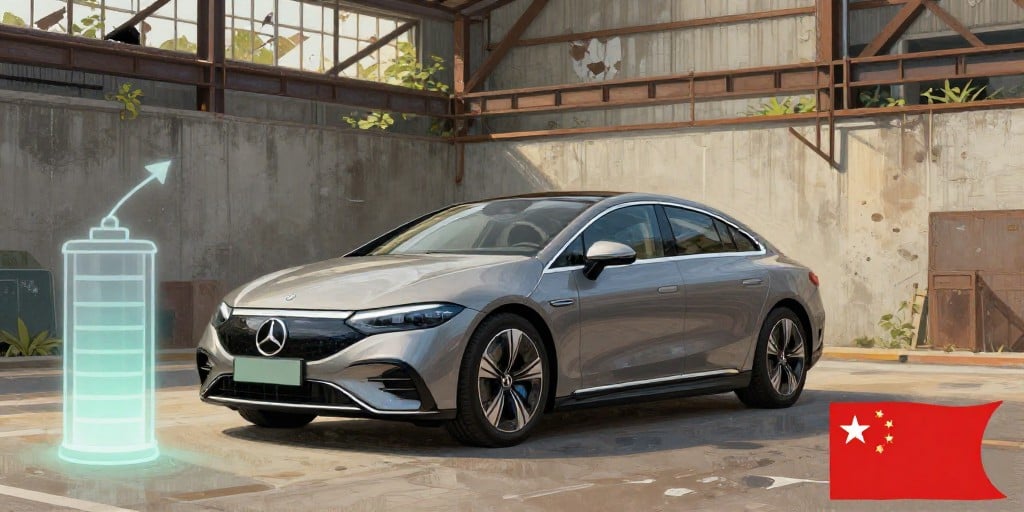
In China, the company is exploring deeper integration of its global supply chain, particularly by expanding the partnership with CATL for battery supply. While China remains the world’s largest EV market, it presents a mixed outlook for ICE vehicles. The government’s recent policy shift toward carbon neutrality, combined with a surge in domestic EV production, could limit the profitability of ICE models. Mercedes‑Benz’s current strategy of maintaining a dual‑market presence in both ICE and EV segments may become unsustainable without a decisive pivot to EV dominance.
Uncovered Trends and Potential Risks
- Battery Cost Volatility: The company’s heavy reliance on a single battery supplier could expose it to price swings. Diversifying suppliers or investing in in‑house battery production could be a strategic hedge.
- Regulatory Tightening: Both the European Union’s upcoming carbon pricing mechanism and India’s emission standards may impose additional compliance costs on ICE models, accelerating the transition curve.
- Competitive Disruption: Rivals are not only catching up in EV technology but also expanding their manufacturing footprints in low‑cost regions, potentially eroding Mercedes‑Benz’s premium positioning.
- Talent Attrition: Cost‑cutting initiatives risk draining the talent pool critical for the Neue Klasse’s success, which could delay product launches and diminish market confidence.
Opportunities for Strategic Realignment
- Vertical Integration of Battery Supply: Investing in a dedicated battery cell manufacturing plant could reduce costs and secure supply, improving EV margins.
- Strategic Partnerships in Emerging Markets: Collaborations with local firms in India and China could accelerate market penetration while sharing regulatory risk.
- Financial Restructuring: Optimizing the capital structure—reducing reliance on debt and increasing equity financing—could provide the financial resilience needed to invest in EV R&D without compromising liquidity.
Conclusion
Mercedes‑Benz Group AG stands at a crossroads. While the first‑quarter results signal operational strain, the company’s aggressive cost‑saving agenda and strategic focus on the Neue Klasse platform lay a foundation for a potential turnaround. However, the CFO succession timeline, battery cost volatility, and shifting regulatory landscapes present significant risks that must be managed through prudent financial oversight and agile supply‑chain strategies. Stakeholders should monitor the company’s progress on these fronts, as the outcomes will shape Mercedes‑Benz’s position in the rapidly evolving automotive market.