Detailed Analysis of the MDAX’s Recent Decline and HochTief’s Underperformance
1. Overview of the MDAX Performance
The MDAX index, a benchmark for mid‑cap German equities, slipped just over one percent early on Thursday. This move mirrors the prevailing negative sentiment that has characterised the mid‑cap segment since the beginning of 2026. While the overall trading volume remained steady, the index’s cumulative year‑to‑date decline of roughly six percent underscores a protracted downturn that has persisted through the first half of the calendar year.
2. Sectoral Dynamics and the Role of HochTief
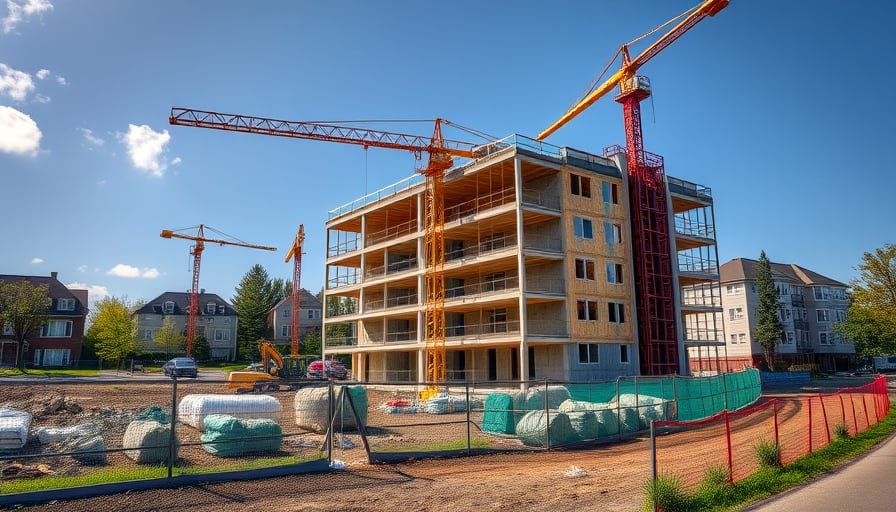
Within the broader index, the construction and engineering company HochTief AG registered a decline of nearly four percent—a performance that stands out as one of the weakest among MDAX constituents. This drop contributed to the negative drift observed in the index. The construction and engineering sector has been under pressure due to a confluence of factors:
- Regulatory tightening – Recent European Union directives on sustainability and safety have increased compliance costs for civil‑engineering firms.
- Supply‑chain bottlenecks – Global steel and concrete shortages have pushed project costs upward, eroding margins.
- Interest‑rate environment – A tighter monetary policy in the Eurozone has made project financing more expensive, dampening demand for large‑scale infrastructure investments.
By contrast, other sectors represented in the MDAX—such as industrial and chemical companies—displayed a mix of gains and lagging performance. Some chemical firms benefited from higher commodity prices, while certain industrial players struggled with reduced demand in the automotive and machinery segments.
3. Trading Volume Leaders and Market Activity
The MDAX’s trading volume was dominated by a major travel and leisure group. This indicates that while the construction sector suffered, other areas of the German market remain active and potentially more resilient to macro‑economic headwinds. The travel and leisure group’s high liquidity suggests that consumer‑facing sectors still attract investor interest, perhaps reflecting expectations of a rebound in tourism and domestic travel post‑pandemic.
4. Regulatory Environment and Potential Risks
- Sustainability mandates: The EU’s Green Deal and associated regulations impose stricter carbon‑emission targets on construction activities. Companies like HochTief may need to invest heavily in low‑carbon materials and processes, impacting short‑term profitability.
- Construction‑sector labor shortages: Skilled labor remains scarce across Germany, increasing wage pressures.
- Infrastructure funding uncertainties: German federal and state budgets face constraints, potentially reducing public‑sector construction budgets.
These regulatory and structural risks could deepen the downward trajectory for construction and engineering firms unless they adapt quickly or secure alternative revenue streams.
5. Opportunities and Strategic Considerations
Despite the current downturn, certain opportunities emerge:
- Diversification into sustainable construction: Firms that invest early in green building technologies and materials can capture a niche market as EU regulations tighten.
- Public‑private partnerships (PPPs): Engaging in PPPs for critical infrastructure can provide stable, long‑term contracts that buffer against market volatility.
- International expansion: Emerging markets with growing infrastructure needs could offer higher growth potential for mid‑cap construction players.
For HochTief, strategic initiatives such as portfolio realignment, cost optimisation, and a focus on high‑margin niche markets (e.g., energy infrastructure, rail networks) could mitigate the adverse impact of current regulatory and economic headwinds.
6. Financial Analysis and Market Research Findings
Recent financial statements from HochTief indicate a modest decline in operating income, largely attributed to increased material costs and a slowdown in new project pipelines. The company’s debt‑to‑equity ratio remains within acceptable limits, suggesting that, while earnings are pressured, liquidity is not immediately compromised. However, analysts warn that if the sectoral downturn persists, the firm’s valuation multiples may compress further.
Comparative analysis of peer MDAX companies shows that those with diversified service offerings and stronger balancesheets have experienced smaller percentage declines. Market research indicates that investor sentiment is gradually shifting towards sectors with clear growth trajectories—namely technology, renewable energy, and advanced manufacturing—while traditional construction firms are being overlooked.
7. Conclusion
The MDAX’s recent decline, exemplified by HochTief’s underperformance, reflects a broader mid‑cap German equity trend that has been negative for the past year. While construction and engineering firms face significant regulatory and supply‑chain challenges, there remain strategic pathways for resilience and growth. Investors should remain vigilant of the sectoral risks while exploring opportunities in sustainable infrastructure and public‑private collaboration. The market’s continued activity in sectors such as travel and leisure offers a counterbalance to the construction downturn, suggesting a complex but navigable investment landscape for mid‑cap equities.