Market Overview
On Friday, the MDAX on the Frankfurt exchange recorded a modest decline from its opening level. The benchmark closed below the previous day’s close, reflecting a slight downward movement within the session. At the close, the index stood near 30,970 points, after peaking at approximately 31,620 points earlier in the day.
Collectively, the MDAX constituents represented a market capitalization of roughly €352 billion. Throughout the year, the index has shown a modest upward drift, indicating a generally neutral market environment for mid-cap German equities.
Performance Highlights
Strong Performers
- Evonik Industries – The specialty chemicals producer delivered its best performance in the index, up just over one percent. Its share price moved to around €18, underscoring the company’s resilience amid broader market softness.
- Nemetschek, K+S, and IONOS – These firms also posted gains, contributing to the index’s overall positive movement in a largely static market.
Declining Shares
- AIXTRON, Siltronic, and Salzgitter – These companies were the largest losers in the index, reflecting sector‑specific pressures and broader concerns over semiconductor and steel demand.
Corporate Action: Evonik’s Bitterfeld Plant Closure
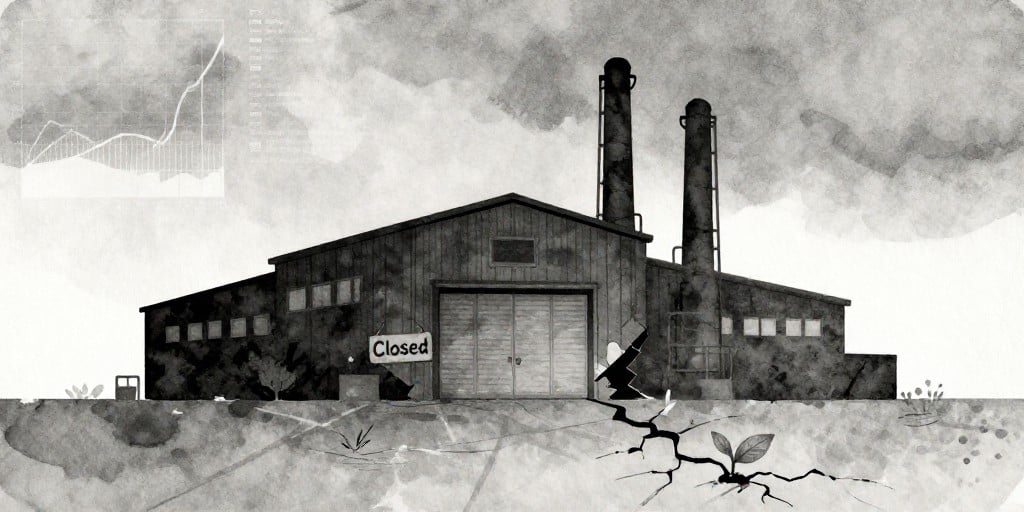
Evonik Industries announced the shutdown of its Bitterfeld plant, citing persistent market pressures and low utilization as primary drivers. Management indicated that the plant will close in the coming spring, a decision aimed at stabilising long‑term operational efficiency under challenging conditions. The announcement was highlighted in the broader news roundup and is expected to influence short‑term supply chain dynamics and the company’s cost structure.
Sectoral Context and Economic Drivers
The MDAX’s modest year‑to‑date gain suggests that mid‑cap German firms are navigating a cautiously optimistic landscape. Key drivers include:
- Industrial Demand – German manufacturing remains a core pillar of the economy, but the sector is currently adjusting to fluctuating global demand, especially in automotive and machinery.
- Commodity Prices – Fluctuations in raw‑material costs continue to impact the profitability of chemical and steel producers such as Evonik and Salzgitter.
- Technological Innovation – Companies involved in digital infrastructure (e.g., IONOS) and building information modeling (Nemetschek) benefit from increasing adoption of cloud and BIM solutions, offsetting some pressure in traditional manufacturing.
Cross‑industry linkages are evident: semiconductor shortages affect automotive production, while steel demand influences construction technology providers. These interdependencies underscore the importance of a holistic view when evaluating the MDAX’s trajectory.
Outlook
The market sentiment observed on the Frankfurt exchange remains subdued, with investors weighing the potential for inflationary pressures against the backdrop of a still‑recovering global economy. The MDAX’s slight upward trend indicates resilience, yet the recent performance signals a cautious stance among participants. Continued monitoring of sector‑specific developments—particularly in chemicals, steel, and technology—will be critical to understanding future movements within this index.