
McDonald’s Navigates a Quiet Market Dip Amid Shifting Consumer and Regulatory Landscapes
McDonald’s Corp. closed its shares slightly lower in the most recent trading session, a modest decline that exceeded the broader market’s modest pullback. While the company’s analysts have largely maintained a “buy” consensus, they have modestly tightened their price targets, suggesting limited upside potential in the near term. This outcome reflects a broader narrative in which consumer dynamics and regulatory changes are reshaping the fast‑food sector’s operating environment.
Digital‑Physical Synergy: A New Consumer Blueprint
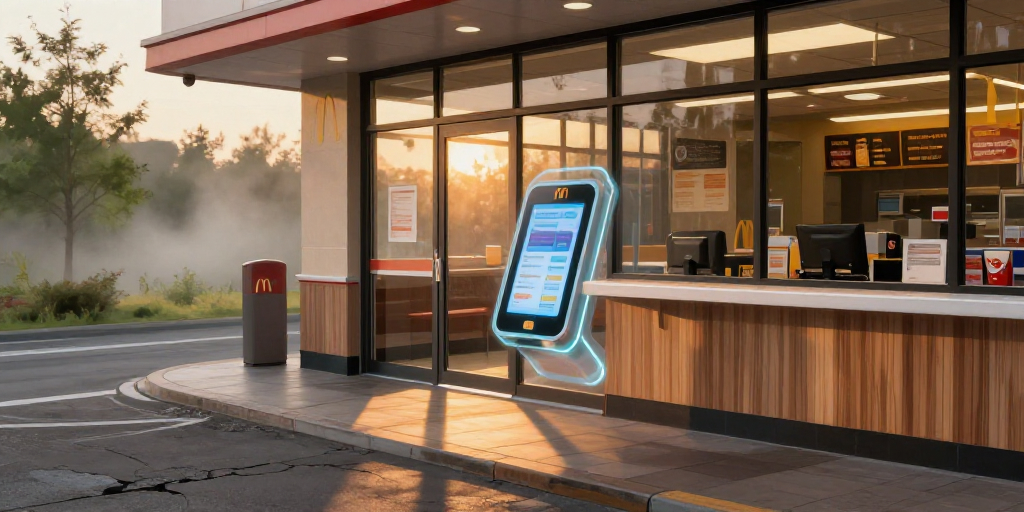
The industry’s evolution has long hinged on the balance between brick‑and‑mortar presence and digital engagement. Millennials and Gen Z shoppers now expect seamless omnichannel experiences—from contactless mobile ordering to curb‑side pickup and drone delivery trials. McDonald’s has already piloted a range of digital initiatives, such as its “MyMcDonald’s” app and drive‑through kiosks. However, the recent dip in its stock price underscores the need for continued innovation: customers who value speed and convenience are also increasingly sensitive to brand transparency and sustainability.
In this context, the company’s potential to capitalize on the convergence of physical and digital touchpoints becomes a key growth lever. A strategy that blends data‑driven menu personalization with rapid, tech‑enabled service could reinforce loyalty among younger cohorts while preserving the high‑footfall advantage of its global network of outlets.
Demographic Shifts and Spending Patterns
The United States’ aging population is set to coexist with a surge in health‑conscious, environmentally aware consumers. McDonald’s, whose traditional value proposition has long hinged on affordability and familiarity, faces an opportunity to re‑brand certain product lines. For example, expanding plant‑based offerings and leveraging local sourcing narratives can appeal to both the health‑seeking baby boomer segment and the sustainability‑driven Gen Z demographic.
Additionally, the company’s revenue streams are becoming increasingly diversified through services such as delivery partnerships and in‑store digital advertising. The modest stock decline suggests market participants may be reassessing the speed at which McDonald’s can transform its menu and service model to align with these shifting spending patterns. Forward‑looking analysts predict that incremental revenue gains will stem from incremental digital sales—particularly through “app‑only” promotions that entice repeat visits among tech‑savvy consumers.
Cultural Movements and Environmental Regulation
In Delhi, the Municipal Corporation’s new environmental compensation charges for commercial vehicles signal a heightened regulatory focus on air quality and traffic congestion. Although the policy is geographically distant, it echoes a global trend toward stricter environmental standards that could shape logistics and supply chains for international fast‑food chains. McDonald’s, with its vast network of franchisee-owned outlets, must prepare for similar measures in other high‑pollution markets.
The regulatory environment is forcing the industry to rethink fleet management, packaging, and ingredient sourcing. McDonald’s has already announced plans to reduce single‑use plastics and improve the carbon footprint of its supply chain. A proactive stance on sustainability can translate into a competitive advantage, especially as consumer expectations shift toward brands that demonstrate tangible environmental stewardship.
Market Opportunities: Bridging Lifestyle and Commerce
- Digital Experience Upsell: Investing in AI‑driven personalization (e.g., dynamic menu recommendations) can deepen engagement with younger customers who prioritize convenience and customization.
- Health‑Focused Menu Innovation: Expanding plant‑based, low‑sodium, and locally sourced items can broaden the customer base amid rising health consciousness.
- Sustainability‑Centric Logistics: Adopting electric or hybrid delivery fleets and sustainable packaging can pre‑empt regulatory pressures and enhance brand perception.
- Community‑Engaged Retail: Leveraging local pop‑up events or community‑based marketing can reinforce the physical retail presence, especially in markets where digital penetration remains uneven.
Conclusion
McDonald’s shares’ modest decline amid a broader market pullback is a reminder that the fast‑food sector is at a critical junction. The interplay of digital transformation, demographic evolution, and tightening environmental regulation presents a complex tapestry of risks and opportunities. Companies that can integrate technology with sustainable practices, and that tailor experiences to the nuanced preferences of diverse generational cohorts, will likely emerge as leaders in the next phase of consumer‑centric growth.