
Corporate Outlook: McDonald’s Navigates a Shifting Consumer Landscape
McDonald’s Corp. has announced a modest increase in revenue for the most recent quarter, prompting a recalibration of its pricing strategy. This adjustment is part of a broader, cost‑driven pricing trend that has emerged across the quick‑service restaurant sector. Simultaneously, an insider sale by a senior executive—typical of routine share‑holding activity—has been disclosed, offering no immediate indication of distress for the company’s market standing.
The firm continues to be a flagship player within the consumer discretionary space, operating under the hotels, restaurants, and leisure umbrella. Its latest financial statements reflect stable earnings and a price‑to‑earnings ratio that is in line with sector benchmarks. No significant operational disruptions or regulatory concerns have surfaced in recent coverage.
The Intersection of Digital Transformation and Brick‑and‑Mortar
The modest revenue uptick coincides with McDonald’s expanding digital ecosystem. The company’s investment in mobile ordering, delivery partnerships, and AI‑driven inventory management has begun to offset the traditional margins pressure that many fast‑food chains face. By integrating digital touchpoints with physical storefronts, McDonald’s can reduce overhead costs while enhancing customer convenience—an outcome that resonates with Gen Z and millennial consumers who increasingly favor seamless, tech‑enabled purchasing experiences.
From a strategic perspective, the continued refinement of pricing—grounded in data analytics—enables McDonald’s to adjust menu offerings in real time based on local demand patterns. This agility is particularly valuable as consumers shift toward more experiential dining, even within the fast‑service domain.
Demographic Shifts and Generational Spending Patterns
Recent demographic studies indicate a growing proportion of consumers who prioritize value, speed, and convenience over premium dining experiences. Millennials and Generation Z, in particular, are more likely to engage with brands that provide digital convenience and transparent pricing. McDonald’s pricing strategy reflects this reality: by subtly increasing menu prices in line with cost inflation, the company preserves profitability without alienating price‑sensitive shoppers.
Conversely, older generations (Baby Boomers and Gen X) continue to seek reliable, familiar food outlets. McDonald’s robust presence in high‑traffic locations—often integrated into travel hubs—serves these customers effectively, reinforcing the brand’s multigenerational appeal.
Cultural Movements and Consumer Experience Evolution
The rise of “experience‑first” culture has reshaped how consumers engage with food retailers. The pandemic accelerated the shift toward at‑home consumption, but a post‑pandemic renaissance in local and regional dining has created new opportunities for quick‑service chains that can deliver both authenticity and speed. McDonald’s localized menu adaptations—such as region‑specific limited‑time offerings—illustrate how the company can tap into cultural movements while maintaining global operational efficiency.
Moreover, sustainability is increasingly integral to consumer decision‑making. McDonald’s commitment to reducing food waste, transitioning to renewable energy in its supply chain, and sourcing responsibly positions it favorably among environmentally conscious shoppers—especially younger consumers who are likely to influence household spending.
Forward‑Looking Analysis: Market Opportunities
Digital Monetization Opportunity: Continued investment in mobile and contactless payment platforms can unlock incremental revenue through data‑driven upselling and loyalty programs.Risk: Over‑reliance on digital channels may marginalize older demographics who prefer in‑store transactions.
Dynamic Pricing Models Opportunity: Real‑time price adjustments, informed by AI analytics, can optimize profit margins while keeping consumers engaged.Risk: Perceived price volatility may erode brand trust if not transparently communicated.
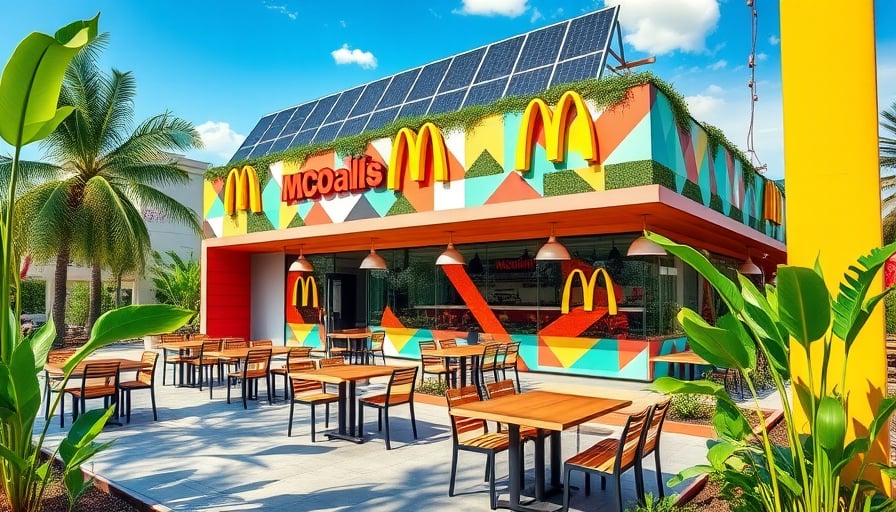
Experience‑Centric Store Design Opportunity: Reconfiguring physical stores to include communal spaces, local art, or pop‑up events can enhance footfall and dwell time.Risk: Higher capital expenditures may strain short‑term cash flow.
Sustainability Initiatives Opportunity: Positioning the brand as a leader in responsible sourcing and waste reduction can attract the eco‑savvy segment.Risk: Implementation costs could pressure margins if not offset by consumer willingness to pay a premium.
Global‑Local Hybrid Menus Opportunity: Offering regionally inspired items while maintaining core menu consistency can deepen local market penetration.Risk: Managing supply chain complexity may increase operational risk.
Conclusion
McDonald’s demonstrates a balanced response to evolving consumer preferences: modest revenue growth, a cautious pricing strategy, and a focus on digital integration. By aligning its operational model with broader lifestyle trends, demographic shifts, and cultural movements, the company is well positioned to capitalize on emerging market opportunities. The key will be sustaining the delicate equilibrium between cost control, pricing dynamics, and experiential innovation to maintain relevance across generational cohorts and geographic markets.