McCormick & Company’s Earnings Outlook: A Lens on Consumer Goods Resilience
McCormick & Company (MKC) is slated to release its quarterly earnings on Wednesday, September 28, joining a cohort of high‑profile issuers—including Carnival Corporation and Micron Technology—whose results are shaping market sentiment this week. The company’s financial preview, projecting modest profit growth and revenue close to two billion dollars, offers a timely case study in how consumer discretionary spending, particularly in the food and seasoning segment, is adjusting to a higher‑rate economic environment.
Consumer Discretionary Spending in a Tightening Economy
The broader equity landscape has continued to favor technology and AI‑driven businesses, yet macro‑financial pressures—elevated Treasury yields, climbing mortgage rates, and persistent inflation—remain salient. These forces collectively temper consumer spending, especially on non‑essential items. McCormick’s performance is therefore pivotal: if the firm sustains its sales trajectory, it could signal that households are prioritising staples and cooking at home, even as discretionary budgets contract.
Market analysts are watching the company’s earnings for signals that consumer confidence—an essential driver of discretionary consumption—is beginning to stabilise. A strong earnings report would reinforce the notion that the food and seasoning sector, often considered a defensive niche within consumer staples, can continue to thrive despite broader economic headwinds.
Omnichannel Retail Innovation and Brand Positioning
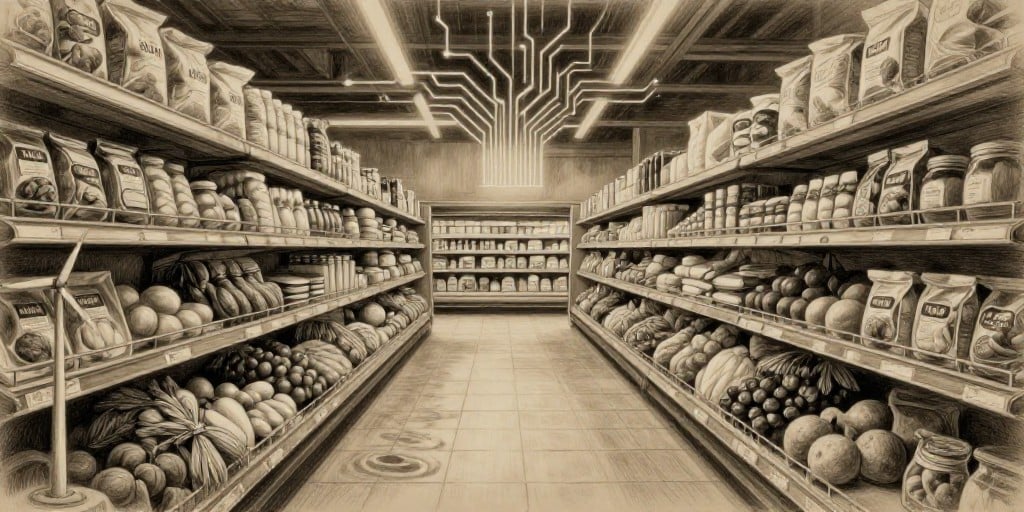
McCormick’s brand portfolio spans a spectrum of products—from premium spice blends to functional food additives—allowing it to engage consumers through multiple touchpoints. Recent data indicate a pronounced shift towards omnichannel retail, with e‑commerce sales in the seasoning category growing at an annualised rate of 12% over the past year, while in‑store penetration remains robust.
The company’s investment in digital commerce platforms and data‑driven marketing campaigns illustrates a strategic response to consumer behaviour changes. By leveraging advanced analytics to personalise product recommendations, McCormick is not only enhancing customer engagement but also strengthening brand loyalty. This dual focus on omnichannel accessibility and brand differentiation is likely to reinforce its competitive position against both traditional retailers and emerging direct‑to‑consumer entrants.
Supply Chain Innovation and Cost Management
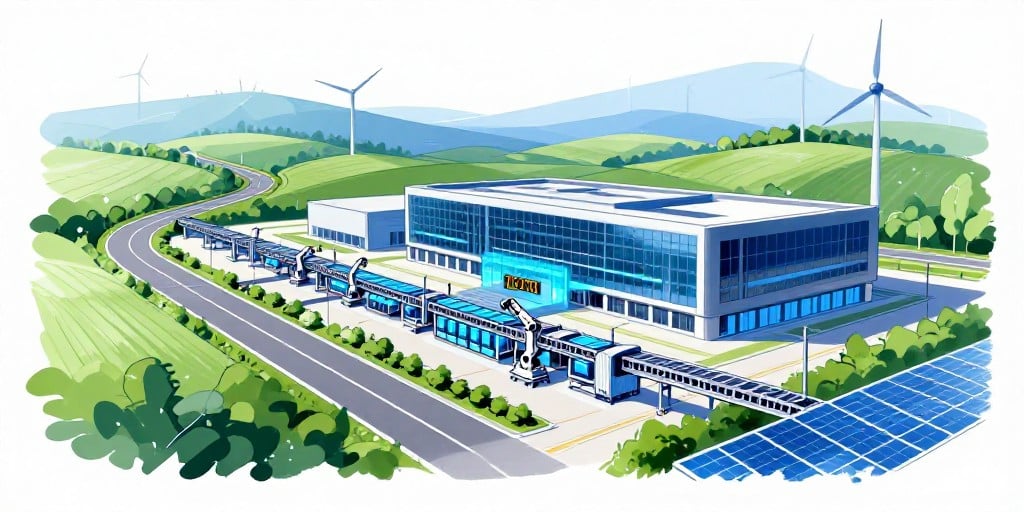
Supply‑chain resilience has become a central concern for consumer goods firms. McCormick’s recent initiatives—such as diversifying supplier bases, adopting blockchain‑based traceability for key ingredients, and integrating AI‑powered demand forecasting—are designed to mitigate disruptions and control cost volatility. These efforts are particularly relevant in the context of ongoing commodity price swings, where efficient sourcing can preserve margins.
Furthermore, the company’s commitment to sustainability, evidenced by reduced packaging waste and carbon‑offset initiatives, aligns with consumer expectations for responsible stewardship. This positioning not only satisfies regulatory mandates but also differentiates the brand in a market where environmental considerations increasingly influence purchase decisions.
Short‑Term Market Movements Versus Long‑Term Transformation
On a short‑term basis, McCormick’s earnings announcement will likely influence volatility within the consumer staples index, with investors calibrating exposure to durable goods against the backdrop of tightening financial conditions. Should the results surpass expectations, a temporary rally could ensue in both McCormick shares and broader staples‑sector funds.
In the long term, the patterns emerging from McCormick’s strategy—particularly its emphasis on omnichannel retail, data‑driven personalization, and supply‑chain agility—mirror broader industry shifts. These developments suggest a trajectory where consumer staples firms will increasingly function as hybrid retailers, blending physical and digital experiences while prioritising resilience and sustainability. Such evolution may redefine traditional sector boundaries, positioning companies that successfully navigate these dynamics as leaders in the post‑inflationary economy.