
Corporate News
Marubeni Ventures’ Strategic Entry into India’s Electric‑Two‑Wheeler Market
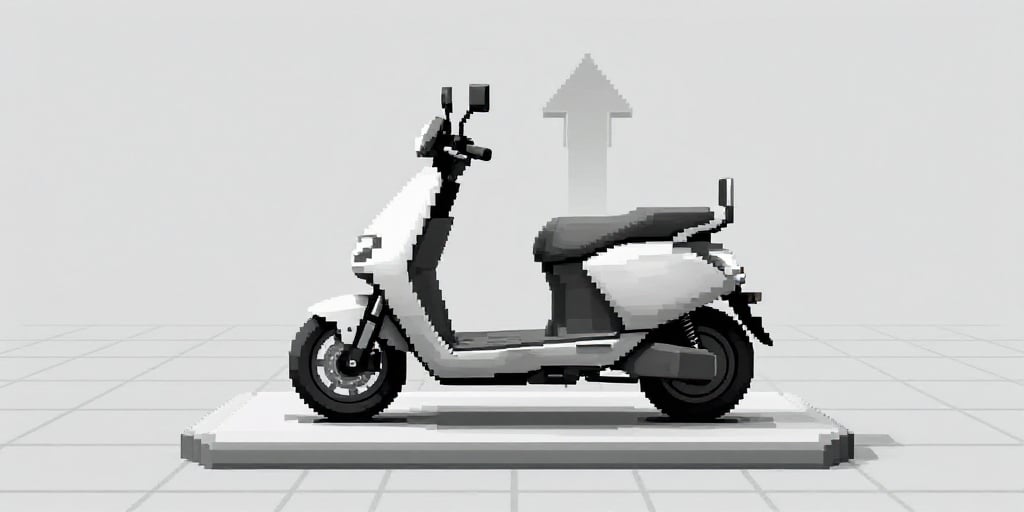
Marubeni Ventures, the venture‑capital arm of the Japanese trading house Marubeni Corp, has joined a consortium of international investors backing the Indian electric‑vehicle (EV) start‑up River. The partnership, disclosed in a series of funding reports, highlights the Japanese firm’s commitment to advancing emerging mobility technologies in high‑growth markets. Other global players in the round include Yamaha Motor, Mitsui & Co., and Toyota Ventures, underscoring the confidence that industry leaders have in River’s business model.
River’s Funding Trajectory and Growth Plan
River, founded in 2021, has attracted a mix of domestic and foreign capital. The latest Series C round, in which Marubeni Ventures participated, involved Indian funds such as Anicut Capital and Claypond Capital, raising an estimated $80–$100 million. With these funds, the company intends to launch new electric‑two‑wheel models, extend its distribution network, and build a new manufacturing facility. At present, River operates more than 40 retail outlets and aims to scale to over 350 stores by early 2028, positioning itself to capture a larger share of India’s rapidly expanding e‑two‑wheel market.
Financially, River has demonstrated accelerated growth. The firm delivers several thousand units monthly and is projected to close the fiscal year with revenue levels several times higher than the previous year, while operating losses have narrowed. This trajectory unfolds amid sustained investor enthusiasm for India’s electric‑mobility sector, which attracted a record amount of venture capital in the past year.
Implications for the Consumer Discretionary Landscape
River’s expansion reflects broader trends in consumer discretionary spending across emerging economies. In India, the demographic shift toward a youthful, tech‑savvy population has increased demand for affordable, sustainable mobility solutions. According to a 2025 market‑research report by Frost & Sullivan, the electric‑two‑wheel segment is projected to grow at a compound annual growth rate (CAGR) of 18.2 % through 2030, driven largely by first‑time buyers aged 18–34 who prioritize cost‑efficiency and environmental impact.
Economic conditions also play a crucial role. The inflation‑controlled environment of 2024 has kept consumer price indices stable, enabling households to allocate discretionary income toward transportation. Moreover, the government’s push for clean energy infrastructure, exemplified by subsidies for EV purchases and the expansion of charging networks, has lowered the total cost of ownership for electric‑two‑wheelers. These factors converge to create a positive sentiment climate—as measured by the Nielsen Consumer Sentiment Index, which recorded a +4.8 % increase in confidence regarding future mobility spending in Q1 2024.
Retail innovation is a key driver of River’s strategy. By combining direct‑to‑consumer (DTC) sales models with traditional retail channels, River taps into the lifestyle trend of convenience. The company’s online configurator and subscription‑based payment options align with the generation‑Z preference for flexible, experience‑centric purchases. Additionally, River’s focus on “smart” connectivity—integrating telematics and over‑the‑air updates—caters to consumers’ growing appetite for technology‑enabled products, as evidenced by a 2023 IDC survey that found 61 % of Indian consumers value vehicle connectivity as a purchase factor.
Market Positioning and Competitive Dynamics
River’s entry into the Indian market places it against established players such as Bajaj Auto’s C‑Pro and O‑Go, as well as newer entrants like Ather Energy. However, River’s low‑cost, high‑efficiency design differentiates it in a price‑sensitive segment. Market research from Euromonitor indicates that the average purchase price for electric‑two‑wheelers in India is ₹1.8 million (≈$24,000), with a 12.5 % price premium for models offering advanced connectivity. River’s projected models, priced at ₹1.3 million (≈$17,000), position the brand as an attractive alternative for budget‑conscious consumers without compromising on performance.
Retail footprint expansion will also influence competitive dynamics. River’s goal of 350 outlets by 2028 translates into a penetration rate of 6 % of India’s total urban two‑wheel market—an ambitious target given the current retail density of 1.2 %. By leveraging Marubeni’s global supply chain and Toyota’s manufacturing expertise, River can achieve economies of scale that may lower unit costs and enable aggressive pricing strategies.
Conclusion
Marubeni Ventures’ investment in River signals confidence in India’s electric‑mobility trajectory and highlights the importance of aligning product strategy with evolving consumer demographics, economic conditions, and cultural shifts. River’s focus on affordability, connectivity, and retail innovation positions it well to capitalize on the accelerating demand for electric two‑wheelers. As the company expands its network and refines its product line, it will likely continue to influence the competitive landscape, offering a compelling case study of how global capital can accelerate the adoption of sustainable transportation solutions in emerging markets.