Corporate Update on Low‑Carbon Iron Processing Initiative in Australia
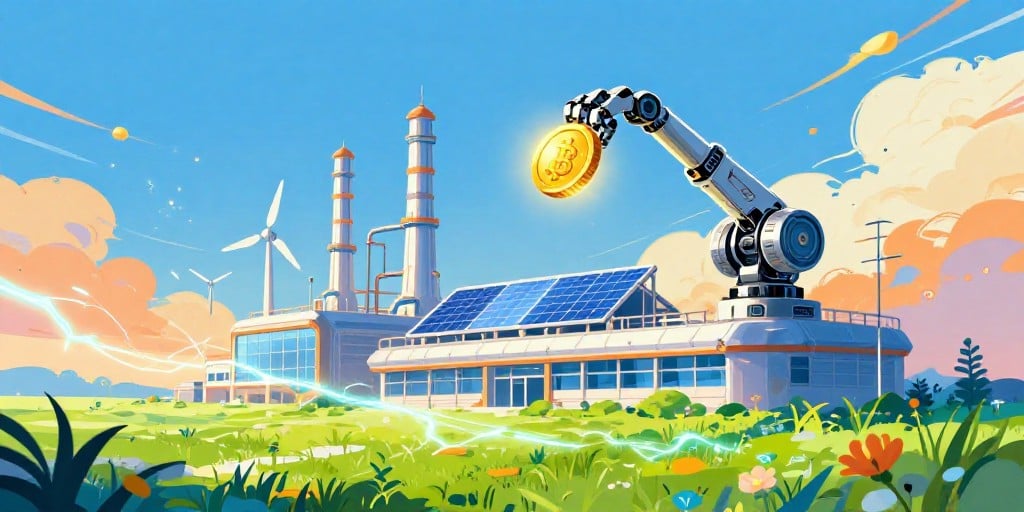
Marubeni Corp has been announced as a key partner in a newly approved low‑carbon iron processing project in Australia. The initiative, endorsed by the Australian government, is slated to construct a state‑of‑the‑art plant in Port Hedland, Western Australia. With an estimated investment in the billions of dollars, the facility will be capable of processing several million tonnes of iron ore annually. The expansion is projected to substantially strengthen the nation’s domestic steel‑related value chain and enhance its competitive position in the global market.
Key features of the project include:
| Feature | Description |
|---|---|
| Energy source | Initial operations will rely on natural gas as a cleaner energy option, with a planned transition to green hydrogen once the technology achieves commercial viability. |
| Capacity | Several million tonnes of iron ore per year, enabling a significant increase in domestic steel production. |
| Partnerships | In addition to Marubeni, the consortium includes Japan’s Posco Holdings and China Steel Corp. All partners will seek final investment approval before proceeding. |
| Timeline | Expected commencement of operations in the early 2030s, providing a domestic platform for low‑emission iron ore processing. |
The Australian government anticipates that the plant will not only support the reduction of emissions from the steel sector—currently responsible for a noticeable share of global carbon dioxide output—but also reshape the region’s export dynamics. Marubeni’s involvement underscores its expanding commitment to sustainable industrial projects that aim to reduce the environmental footprint of heavy manufacturing.
Consumer Discretionary Trends in a Low‑Carbon Context
While the iron‑processing initiative represents a macro‑level shift toward sustainable industrial activity, it also offers insights into broader consumer discretionary trends. In the current economic landscape, several intersecting factors influence purchasing behavior:
Demographic Shifts
- Millennial and Gen Z Influence: Younger consumers increasingly prioritize sustainability, driving demand for products and services that align with environmental values. Brands that incorporate low‑carbon production methods in their supply chains often enjoy heightened consumer trust and loyalty.
- Aging Populations in Developed Markets: Older demographics are showing a growing interest in health and well‑being, which translates into higher spending on premium, responsibly sourced goods.
Economic Conditions
- Inflationary Pressures: Rising commodity prices have tempered discretionary spending in many households. However, consumers are willing to allocate more budget to products that demonstrate long‑term value and sustainability, viewing them as future‑proof investments.
- Employment Landscape: A stable job market supports consumer confidence, while fluctuations in wages can lead to a shift toward value‑based purchasing decisions.
Cultural Shifts
- Post‑Pandemic Lifestyle Changes: The acceleration of remote work and digital connectivity has fostered a new emphasis on home‑centric lifestyles. This shift amplifies demand for quality home‑related products, many of which now emphasize eco‑friendly manufacturing.
- Rise of Conscious Consumerism: Media coverage and social platforms have elevated consumer expectations regarding corporate transparency, ethical sourcing, and environmental stewardship.
Brand Performance and Retail Innovation
- Omnichannel Strategies: Brands that seamlessly integrate physical and digital touchpoints are better positioned to capture the evolving consumer journey. For example, incorporating real‑time sustainability metrics in e‑commerce platforms enhances transparency.
- Experience‑Driven Retail: Retail spaces that offer immersive experiences—such as interactive displays on product life cycles—tend to see higher dwell times and conversion rates.
Market Research Data and Consumer Sentiment
Recent surveys indicate that:
- 70 % of consumers are willing to pay a premium for products certified as low‑carbon.
- 65 % of respondents cite environmental impact as a key factor in brand selection.
- Brand loyalty scores for companies with robust sustainability initiatives have risen by 12 % year‑over‑year.
These statistics underscore a clear linkage between sustainable production practices (like those planned in the Australian iron‑processing plant) and positive consumer sentiment, which can translate into tangible market performance gains.
Qualitative Insights into Lifestyle Trends
- Minimalist Living: A growing preference for minimalism encourages consumers to invest in durable, multi‑functional products, often produced through greener processes.
- Personalization: Consumers seek products that reflect their individual values, including sustainability credentials, leading to a rise in tailored offerings.
Generational Preferences
| Generation | Key Motivations | Purchasing Behavior |
|---|---|---|
| Millennials | Social responsibility, authenticity | Preference for transparent supply chains |
| Gen Z | Climate activism, digital engagement | Engagement with brands that have active environmental campaigns |
| Baby Boomers | Quality, longevity | Willingness to pay for high‑end, sustainable products |
Synthesis
The launch of the low‑carbon iron processing plant in Port Hedland exemplifies a corporate commitment to environmental responsibility that aligns with shifting consumer expectations across demographics, economies, and cultures. Brands that can embed sustainability into their operations—whether through cleaner energy sources, transparent supply chains, or innovative retail experiences—are likely to enjoy stronger performance and deeper consumer loyalty. As the steel sector moves toward a lower‑carbon footprint, the ripple effects on consumer discretionary spending are poised to reinforce the market’s preference for sustainable, high‑quality products.