
Marks & Spencer’s New Vertical‑Farm Salads: A Case Study in Sustainable Retail Innovation
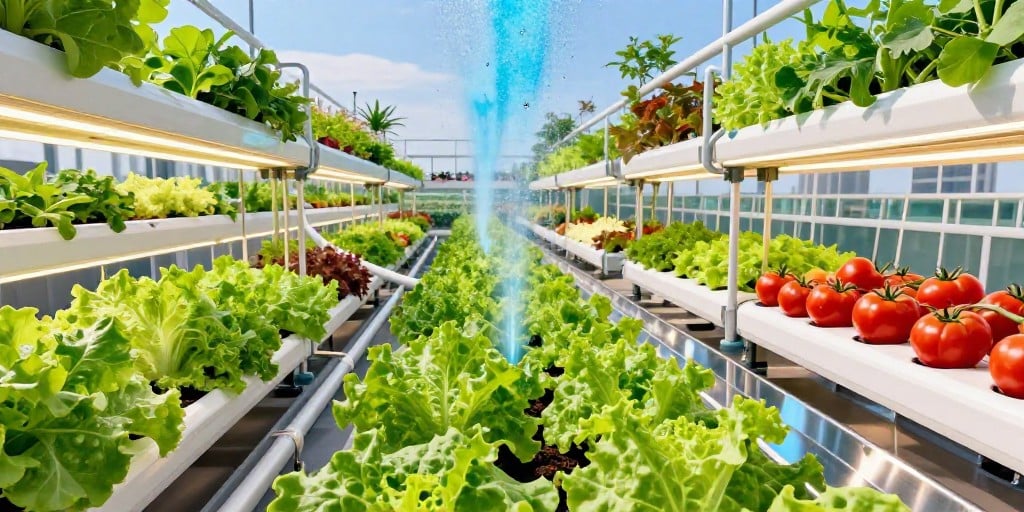
The Marks & Spencer Group PLC has announced that it will begin selling a trio of salad varieties sourced from its own vertical farms. These crops are grown with advanced robotics, enabling a dramatic reduction in water usage compared with conventional agriculture. The launch is positioned within the retailer’s broader commitment to sustainability and climate‑resilient sourcing.
Linking Consumer Behaviour to Strategic Investment
- Digital‑Physical Retail Synergy
- The integration of robotics‑driven vertical farming is an example of digital transformation that directly supports the physical retail experience. By controlling the entire growth process in‑store or in adjacent warehouses, Marks & Spencer can guarantee freshness, traceability, and rapid replenishment. This aligns with consumer expectations for instant, high‑quality produce that is also ethically sourced.
- Generational Spending Patterns
- Generation Z and Millennials now account for a growing share of grocery spending, and they are disproportionately sensitive to environmental impact. According to recent surveys, 72 % of consumers in these cohorts are willing to pay a premium for sustainably sourced foods. The vertical‑farm salads tap into that willingness, creating a new product tier that can command higher margins while attracting a younger demographic that may otherwise gravitate toward fast‑food or subscription services.
- Lifestyle and Cultural Movements
- The rise of “farm‑to‑table” movements, coupled with increased health consciousness, has amplified demand for fresh, low‑carbon produce. By promoting robotic vertical farms as a greener alternative, Marks & Spencer positions itself at the intersection of these cultural currents, reinforcing brand equity among socially conscious shoppers.
- Supply‑Chain and Green Logistics
- The UK retail sector is under pressure to reduce its carbon footprint. Vertical farms located near distribution centers or in city‑center outlets cut transportation miles and enable just‑in‑time delivery. This supports the retailer’s broader green logistics strategy, providing operational efficiencies that translate into cost savings and lower inventory obsolescence.
Forward‑Looking Market Opportunities
| Opportunity | Strategic Implication | Potential Impact |
|---|---|---|
| Premium Pricing | Leveraging sustainability as a differentiator | Up to 15 % higher price points, increased margin |
| Subscription Models | Integrating with existing grocery subscription services | Recurring revenue, customer loyalty |
| Data‑Driven Demand Forecasting | Using robotics data to predict seasonal demand | Reduced waste, improved inventory turnover |
| Cross‑Channel Experiences | Offering in‑store demos that showcase robotics | Enhanced brand engagement, increased footfall |
| Collaborative Supply Chains | Partnering with other retailers for shared vertical‑farm facilities | Economies of scale, industry standardization |
Conclusion
Marks & Spencer’s move into robotic vertical‑farm produce exemplifies how digital innovation can reshape physical retail spaces while aligning with shifting consumer expectations. By marrying technology, sustainability, and targeted marketing, the retailer is poised to capitalize on generational spending trends and cultural movements that favor low‑impact, high‑quality products. The strategy not only positions the brand as a leader in green logistics but also unlocks new revenue streams that are increasingly vital in a market where environmental stewardship is inseparable from consumer choice.