Corporate News
Marks & Petersen: Cyber‑Resilience Meets Retail Transformation
The Context
Marks & Petersen Group plc has recently drawn renewed scrutiny from analysts, reflecting a broader conversation about stability in the retail sector. Citigroup’s latest upgrade of the firm’s target price signals confidence in the company’s trajectory, despite the significant disruptions that followed a major cyberattack in 2025. The incident, which severed the group’s online services for several months and eroded operating profit, highlighted the fragility of modern retail operations to cyber threats—an issue that reverberated across the industry, notably in the recent breaches of French supermarkets that exposed vulnerabilities in connected refrigeration systems.
In the same week, UK competitors such as Sainsbury’s and Tesco released modest revisions to their profit guidance, underscoring a market that remains sensitive to inflationary pressures and supply‑chain constraints while striving to enhance margins and operational resilience.
Digital‑Physical Symbiosis: A New Consumer Experience
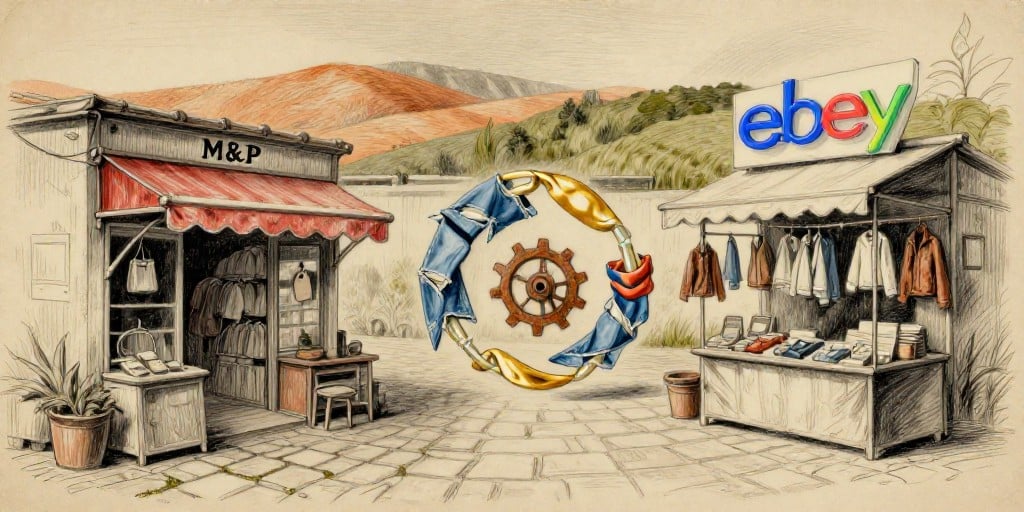
The Marks & Petersen case illustrates a critical juncture where digital transformation and physical retail are becoming inseparable. The cyberattack exposed the risk of a fragmented customer experience; customers who began a purchase online were unable to complete it, eroding trust and prompting a shift toward in‑store pickups and hybrid shopping models. This pivot aligns with a broader lifestyle trend: consumers increasingly seek seamless omnichannel journeys that blend the convenience of e‑commerce with the tactile assurance of brick‑and‑mortar interactions.
For businesses, the lesson is clear: investing in robust cybersecurity is no longer optional; it is a prerequisite for sustaining an integrated retail ecosystem. Moreover, the integration of digital platforms with physical stores offers a unique opportunity to curate personalized experiences—leveraging data analytics to predict product preferences, optimize inventory, and deliver tailored promotions in real time.
Generational Spending and Demographic Shifts
The current retail landscape is also being reshaped by generational spending patterns. Millennials and Gen Z—now the dominant force behind consumer purchases—prioritize sustainability, experiential value, and digital engagement. They are more likely to support brands that demonstrate transparency in supply chains, ethical sourcing, and community involvement. At the same time, Baby Boomers, while still a significant purchasing demographic, are increasingly adopting digital tools to streamline their shopping.
Marks & Petersen’s response to the cyber incident offers a model for capitalizing on these trends. By enhancing its digital infrastructure and ensuring data integrity, the firm can attract younger consumers while retaining older shoppers who value reliability and convenience. The company’s disciplined cost management further enables it to allocate capital toward initiatives that resonate with these cohorts, such as sustainable product lines and loyalty programs that reward eco‑friendly behavior.
Market Outlook: Opportunities Amid Uncertainty
Despite external shocks, analysts remain cautiously optimistic about the retail sector. Citigroup’s target‑price adjustment reflects a belief that Marks & Petersen’s focus on security and cost discipline positions it to withstand ongoing sectoral pressures. The firm’s strategic emphasis on cyber resilience, coupled with its ability to adapt to consumer demands for a hybrid experience, offers a blueprint for peers navigating similar challenges.
Key opportunities for consumer sectors include:
- Investment in Secure, Omnichannel Platforms – Businesses that can deliver a seamless digital and physical experience while safeguarding customer data will likely capture greater market share.
- Personalization Through Data Analytics – Leveraging customer insights to tailor product offerings and promotions can drive higher conversion rates, especially among younger demographics.
- Sustainability as a Differentiator – Transparency in sourcing and reduced environmental footprint resonate strongly with Gen Z and Millennials, translating into brand loyalty.
- Flexibility in Supply Chains – Diversifying suppliers and integrating real‑time monitoring can mitigate inflationary and logistical disruptions.
Conclusion
The Marks & Petersen cyberattack, while disruptive, has catalyzed a deeper understanding of the intersection between digital transformation and physical retail. By embracing robust cybersecurity, data‑driven personalization, and sustainability, companies can not only protect their operations but also create compelling consumer experiences that align with evolving lifestyle trends and demographic preferences. The sector’s ability to translate these societal shifts into market opportunities will determine its resilience and growth in the coming years.