
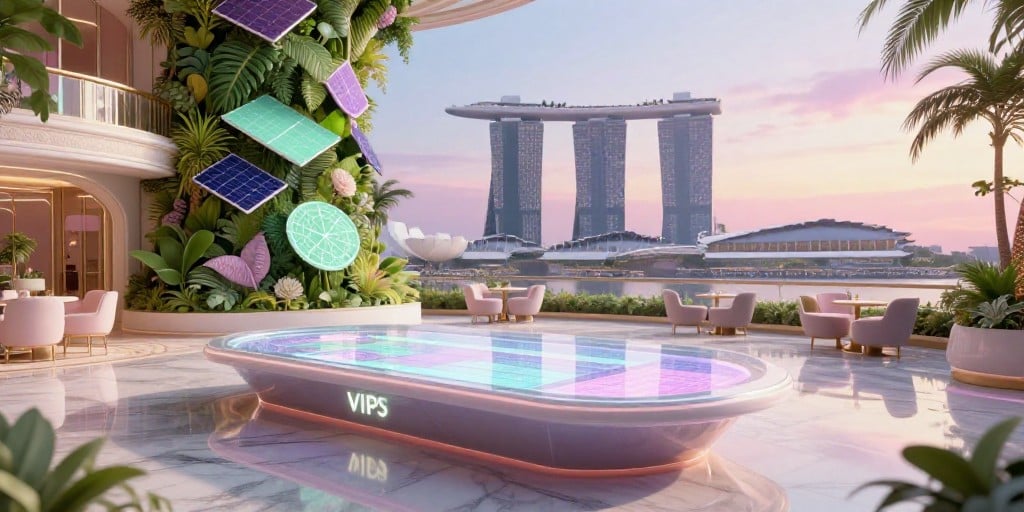
The High‑Roller Discourse: Digital‑Physical Synergies and Demographic Shifts in Singapore’s Casino Landscape
The first half of 2026 has underscored a stark divergence in the performance of Singapore’s two flagship integrated resorts, with Las Vegas Sands Corp. (LVSC) maintaining an overwhelming lead over Genting Singapore’s Resorts World Sentosa. This outcome, reflected in revenue figures that see Marina Bay Sands (MBS) more than tripling its rival, is a microcosm of broader industry dynamics that blend technology, consumer behavior, and regulatory oversight.
Digital Transformation Meets Brick‑and‑Mortar Experience
A central driver behind MBS’s dominance is its sophisticated blend of digital engagement and premium physical offerings. The resort’s mobile platforms now enable seamless table‑reservation workflows, real‑time loyalty tracking, and dynamic pricing for high‑roller clientele. These tools, coupled with a robust data analytics infrastructure, allow MBS to tailor VIP experiences—such as suite stays with personal butlers and exclusive event invitations—in real time based on spend patterns and social media sentiment.
In contrast, Resorts World Sentosa (RWS) has faced criticism from its own VIP segment for infrastructure that feels “dated” and for a perceived lag in responsiveness to patron feedback. While RWS has recently invested in new attractions and hospitality upgrades, the resort’s digital touchpoints lag behind those of MBS, limiting its ability to engage the tech‑savvy, experience‑centric cohort that now dominates the high‑roller segment.
Generational Spending Patterns and Lifestyle Trends
The casino’s clientele is not a monolithic group. Millennials and Generation Z—who grew up in a digital‑first environment—value immersive, socially shareable experiences more than mere monetary gains. Their spending is increasingly directed toward curated, narrative‑rich environments rather than anonymous gaming tables. This shift has prompted both resorts to reevaluate their offerings:
Marina Bay Sands has leveraged its iconic skyline and luxury branding to create a narrative of exclusivity that resonates with high‑net‑worth individuals, many of whom belong to the older Baby Boomer and Gen X cohorts that still prioritize tangible opulence and face‑to‑face service.
Resorts World Sentosa is now attempting to bridge this divide by incorporating themed attractions tied to Universal Studios Singapore and expanding its oceanarium. These initiatives aim to attract younger tourists, yet the execution must be more agile to keep pace with the rapid evolution of consumer expectations.
The demographic shift towards younger, affluent travelers is also influencing the design of retail spaces within the resorts. Interactive kiosks, AR‑enabled product displays, and seamless omnichannel loyalty programs are becoming critical to capturing impulse spend and encouraging longer dwell times.
Cultural Movements and Sustainable Growth
Singapore’s cultural landscape—characterized by a blend of cosmopolitan openness and an increasing focus on sustainability—has significant implications for integrated resorts. Patrons are now more conscious of the environmental footprint of luxury consumption. Resorts that showcase green initiatives—such as energy‑efficient hotel towers, waste‑reduction programs, or locally sourced dining options—stand to gain favor among the ethically minded demographic.
RWS’s multi‑billion‑ringgit redevelopment, slated for 2030, includes an all‑suite luxury hotel and expanded oceanarium. If the resort integrates sustainability into its design and operations, it could attract a new segment of eco‑conscious high‑rollers. MBS’s recent addition of a high‑story hotel tower and live‑entertainment arena also signals a recognition that experiential luxury must evolve beyond gaming tables to encompass broader entertainment ecosystems.
Forward‑Looking Analysis: Market Opportunities
Digital‑First VIP Management Integrated resorts that can harness AI and machine learning to predict VIP preferences and personalize offers will likely capture a larger share of the high‑roller market. MBS’s advantage in this area illustrates how technology can reinforce brand positioning.
Experience‑Driven Retail Convergence The intersection of physical retail and casino entertainment presents an opportunity for curated luxury shopping experiences. Pop‑up boutiques, limited‑edition collaborations, and exclusive merchandise can be positioned as part of the VIP package, encouraging cross‑channel spend.
Sustainability as a Differentiator With younger consumers prioritizing ethical consumption, resorts that can transparently showcase sustainable practices will enhance brand loyalty. RWS’s upcoming redevelopment offers a platform to integrate renewable energy, green building certifications, and community outreach programs.
Regulatory Engagement as Strategic Asset The impending renewal of RWS’s gaming licence underscores the importance of proactive regulatory dialogue. Demonstrating compliance and forward‑looking investment plans can mitigate scrutiny and position a resort favorably in future assessment cycles.
Multi‑Generational Experience Design Creating tiered experiences—luxurious, tech‑enhanced for older high‑rollers, and immersive, socially shareable for younger patrons—will broaden a resort’s appeal. This dual approach requires nuanced staffing, product development, and marketing strategies that align with each cohort’s values.
In sum, Singapore’s casino industry is at a pivotal juncture where digital innovation, experiential retail, generational expectations, and cultural values intersect to create a landscape ripe for strategic investment. While Las Vegas Sands Corp. currently holds the upper hand in attracting premium gamblers, Resorts World Sentosa’s planned redevelopment and renewed focus on consumer experience suggest that the competitive balance could shift dramatically in the next decade. Stakeholders who align technological agility with experiential depth and sustainability are poised to reap the rewards of this evolving market.