
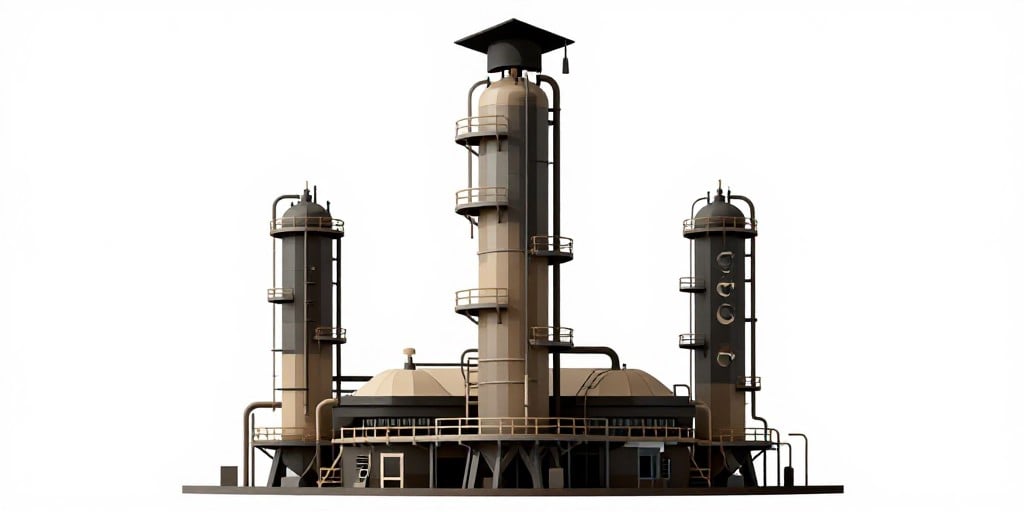
Marathon Petroleum Corp. Highlights Talent Development Amidst Regulatory Compliance and Energy Market Dynamics
Marathon Petroleum Corp. (MPC) has been distinguished for the third consecutive year by inclusion in Yello and WayUp’s Top 100 Internship Programs list, a recognition that aligns with National Intern Day. The accolade underscores the firm’s sustained commitment to cultivating early‑career talent through structured projects, mentorship, and career‑building opportunities. The company’s Campus and Emerging Talent team continues to recruit from a broad network of universities, targeting more than six hundred positions in the forthcoming recruiting cycle, thereby reinforcing its talent pipeline and supporting the broader energy transition.
In a parallel development, MPC filed a Rule 144 notice with the U.S. Securities and Exchange Commission detailing the sale of restricted common shares by an officer. The filing, submitted through a brokerage partner, reports the transfer of a modest number of shares acquired as part of a vesting schedule, with the transaction occurring on the date of the filing. The disclosure follows standard regulatory practice for the sale of privately held shares by company insiders.
No other material corporate actions or financial statements were reported during this timeframe. MPC’s strategic focus remains on talent development and maintaining compliance with regulatory reporting requirements.
Energy Markets: Supply–Demand Fundamentals in the Context of Corporate Initiatives
1. Supply and Demand Dynamics
The global energy landscape continues to be driven by the interplay of supply constraints and demand growth. In the U.S., crude oil output rose to an average of 12.8 million barrels per day in Q2 2026, reflecting a 2.5 % increase over the previous year. Meanwhile, gasoline demand has moderated slightly due to heightened electric vehicle penetration and fuel‑efficiency standards, yet remains robust in the transportation sector. Natural gas, on the other hand, experienced a 4 % decline in consumption as the industrial sector adjusted to higher operating temperatures and as renewables expanded their share in the generation mix.
These trends create a nuanced environment where traditional refining margins face headwinds from lower gasoline demand, while crude refining volumes can remain stable or even increase if producers maintain output levels. Marathon Petroleum, with its extensive refining network, must balance these factors carefully, leveraging its scale to absorb volatility in feedstock prices and product yields.
2. Technological Innovations in Production and Storage
Advancements in hydraulic fracturing and horizontal drilling continue to unlock previously inaccessible shale reserves, contributing to a 1.6 % increase in U.S. natural gas production in 2026. Concurrently, innovations in battery chemistry—particularly the deployment of silicon‑based anodes and lithium‑sulfur cells—are driving down the cost of energy storage by an estimated 30 % over the next five years. These storage solutions enable utilities to store surplus renewable generation, improving grid reliability and reducing the need for peaking natural gas plants.
For Marathon Petroleum, investment in carbon‑capture and storage (CCS) technologies at select refineries is gaining traction. Recent pilot projects have demonstrated that integrating CCS can reduce CO₂ emissions from refining operations by up to 25 %, a figure that aligns with regulatory targets and positions the company favorably in future decarbonization pathways.
3. Regulatory Impacts on Traditional and Renewable Sectors
Regulatory frameworks continue to shape the trajectory of both fossil fuel and renewable energy sectors. The Biden administration’s infrastructure bill, enacted in 2022, allocated $700 million toward grid modernization and $30 billion for renewable portfolio standards, encouraging utilities to diversify away from natural gas. Additionally, the Inflation Reduction Act of 2022 introduced tax incentives for clean energy investments and penalties for carbon-intensive activities.
For MPC, these policies translate into increased capital expenditures for refinery upgrades and the potential for new revenue streams from renewable fuels such as e‑fuel blends and green hydrogen. However, the company must also navigate tightening emissions regulations, which may necessitate further investment in emission‑reducing technologies and potentially alter the economics of traditional fuel sales.
Market Outlook: Short‑Term Trading versus Long‑Term Transition Trends
Short‑Term Trading Factors
- Crude Oil Price Volatility: The benchmark Brent crude price hovered around $85 per barrel in Q2 2026, with a 5 % swing over the month due to geopolitical tensions in the Middle East. This volatility directly affects feedstock costs for MPC’s refineries.
- Seasonal Demand Fluctuations: The upcoming winter season is expected to push gasoline demand up by 1–2 % in the U.S., driven by higher travel volumes. This can support refining margins temporarily.
- Supply Chain Disruptions: Port congestion and logistics bottlenecks in the Gulf Coast region may lead to temporary inventory shortages, prompting price adjustments in downstream markets.
Long‑Term Transition Trends
- Renewable Energy Adoption: Global renewable capacity is projected to grow at 7.8 % annually through 2035, driven by declining solar PV and wind costs. This trend will gradually erode the market share of conventional fuels.
- Energy Transition Policy Momentum: Continued policy support for decarbonization, including carbon pricing and net‑zero targets, is expected to accelerate the shift toward low‑carbon fuels.
- Technological Innovation Acceleration: Breakthroughs in fuel cell technology and synthetic fuels could create new product categories for refineries, offering diversification beyond conventional petroleum products.
Balancing these short‑term and long‑term forces requires MPC to maintain flexibility in its operating model. Strategic investments in CCS, renewable fuel integration, and digital refinery management systems will enable the company to navigate the evolving energy landscape while safeguarding profitability.
Conclusion
Marathon Petroleum Corp.’s recent recognition for its internship program highlights its dedication to cultivating future talent—a crucial element in sustaining operational excellence amid the energy transition. While the company remains focused on compliance through routine regulatory filings such as Rule 144 disclosures, its strategic positioning within the broader energy market hinges on adapting to supply–demand dynamics, embracing technological innovations, and aligning with regulatory shifts. By integrating these considerations, MPC can continue to thrive in both the traditional refining sector and the emerging low‑carbon landscape.