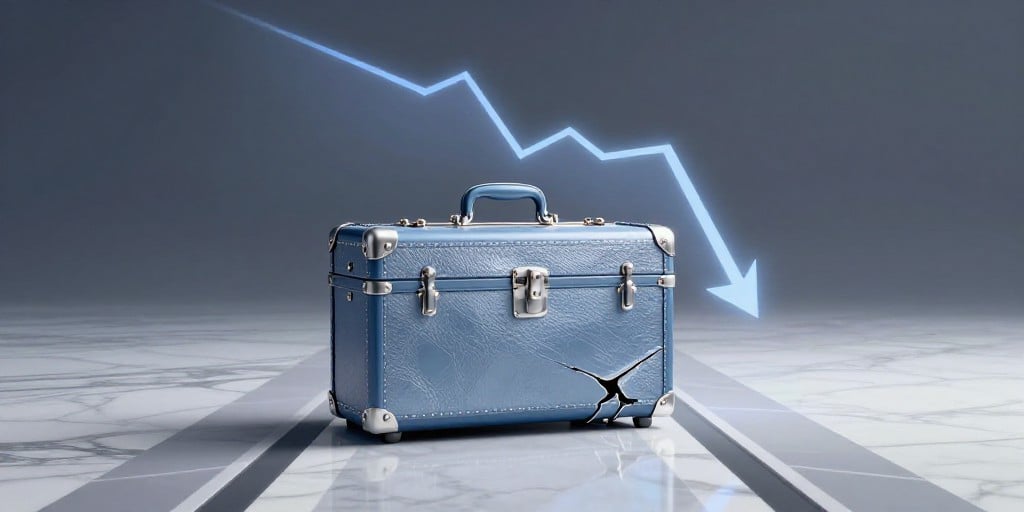
Corporate News – Luxury Conglomerates Grapple with Shifting Global Demand
Hermès International, a flagship of the six largest publicly traded luxury conglomerates in Europe, has experienced a notable decline in market value during the current fiscal year. The downturn mirrors a broader contraction across the sector, driven largely by a sustained slowdown in consumer spending in China. Historically, the Chinese market has been a pivotal growth engine for luxury brands, and the weakening property market combined with a general downturn in global equity markets has tempered discretionary expenditure. Consequently, retail sales growth has dipped modestly over the past six months.
Cross‑Sector Patterns and Consumer Behavior Shifts
- China’s Impact on Global Luxury Dynamics
- The Chinese economy’s deceleration has ripple effects across the luxury value chain. Luxury brands that rely heavily on high‑end consumers in Shanghai, Beijing, and Guangzhou are reporting muted sales figures.
- A decline in property transactions has reduced disposable income for affluent households, dampening the willingness to purchase premium goods.
- U.S. Market Cooling
- In the United States, the luxury segment has also cooled, though to a lesser degree than China.
- Rising energy costs and weaker equity returns have eroded Americans’ purchasing power, contributing to a noticeable drop in luxury goods consumption.
- This U.S. headwind, while not as severe as in China, remains a significant factor in the overall performance of the group.
- Industry‑Wide Earnings Shortfall
- Hermès’ latest quarterly earnings fell short of expectations, a trend echoed by peers such as LVMH, Kering, Richemont, Prada, and Moncler.
- Revenue figures across the sector have trended below market forecasts, underscoring the challenge of navigating persistent market uncertainty.
Strategic Editorial Perspective
Omnichannel Retail Strategies
Luxury brands are accelerating the integration of physical and digital touchpoints to offset the decline in foot traffic. The following patterns emerge:
- Digital Flagship Stores: Brands are launching high‑tech showrooms that blend immersive technology with traditional craftsmanship, creating a differentiated online presence that complements brick‑and‑mortar stores.
- Personalized E‑commerce: AI‑driven recommendation engines and virtual try‑on solutions are becoming standard, ensuring a seamless transition for customers accustomed to luxury retail’s personalized service.
- Social Commerce: Platforms such as Instagram and TikTok are being leveraged for direct-to-consumer sales, allowing brands to engage younger, digitally native audiences without compromising brand exclusivity.
Supply Chain Innovations
The luxury sector is re‑engineering supply chains to improve resilience and reduce cost exposure:
- Near‑Shore Production: Shifting manufacturing closer to key markets mitigates logistics costs and reduces lead times, allowing for quicker inventory turnover in response to fluctuating demand.
- Sustainable Sourcing: Emphasis on ethical materials and transparent supply chains appeals to socially conscious consumers, also providing a hedge against regulatory pressures.
- Digital Tracking: Blockchain and IoT technologies are increasingly employed to authenticate products and provide real‑time inventory visibility, thereby enhancing trust and operational efficiency.
Brand Positioning and Long‑Term Transformation
Brand positioning is undergoing a recalibration to balance heritage with contemporary relevance:
- Narrative‑Driven Marketing: Luxury houses are intensifying storytelling around craftsmanship, heritage, and exclusivity, thereby reinforcing emotional bonds with consumers who seek authenticity over trendiness.
- Collaborative Experiments: Limited‑edition collaborations with streetwear brands or artists serve to attract younger demographics while maintaining premium positioning through scarcity and exclusivity.
- Community Building: Subscription models and membership clubs are being introduced to create long‑term loyalty, offering curated experiences that elevate the brand beyond mere product ownership.
Connecting Short‑Term Movements to Long‑Term Transformation
The current dip in market capitalisation for Hermès and its European peers reflects a confluence of short‑term market pressures: subdued demand in China, a cooling U.S. economy, and global equity volatility. However, the industry’s response—focusing on operational efficiencies, cost management, and supply‑chain resilience—lays the groundwork for a more resilient business model. By embracing omnichannel retail, investing in digital and sustainable supply chains, and refining brand positioning, luxury conglomerates can navigate the present downturn while positioning themselves for sustained growth in a post‑pandemic, increasingly digital economy.
In conclusion, while the luxury sector remains under pressure, the strategic pivots undertaken by leading firms signal an adaptive shift that aligns short‑term operational adjustments with the long‑term transformation of the industry’s value proposition and consumer engagement model.