
Kraft Heinz Co. Reports Second‑Quarter 2026 Results
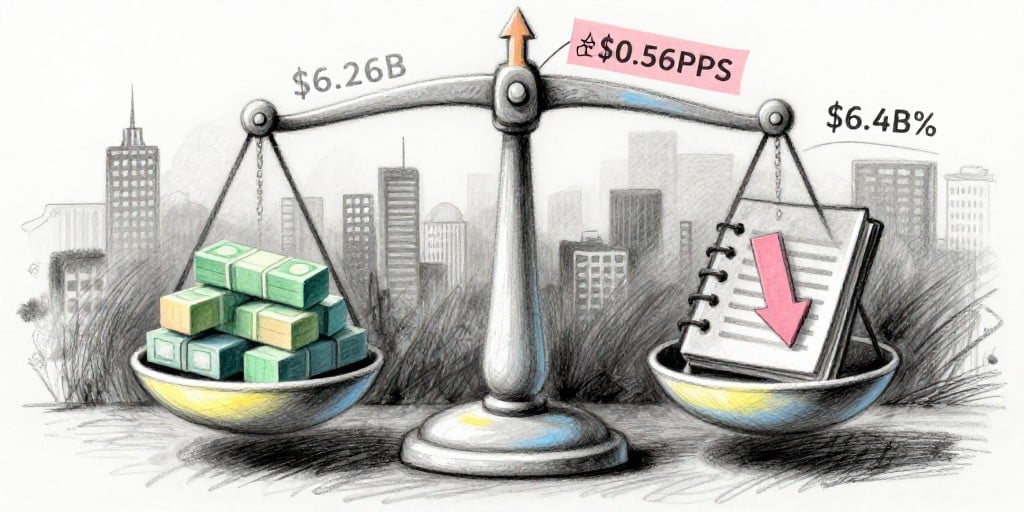
Kraft Heinz Co. released its financial performance for the second quarter of 2026 on August 5, 2026. Net sales amounted to $6.26 billion, reflecting a modest decline of approximately 1.4 % versus the same period a year earlier. The company’s operating results were materially impacted by a $7.4 billion non‑cash impairment charge, which translated into an operating loss of roughly $6.4 billion for the quarter.
Adjusted earnings per share (EPS) were $0.56. This figure exceeded consensus expectations but fell short of the company’s earlier guidance of $0.69.
Outlook for 2026
Kraft Heinz has reiterated its full‑year guidance and made a modest upward revision of its adjusted EPS range to $2.03–$2.09. Organic net sales are expected to decline only modestly, between 0.5 % and 2 %, and free‑cash‑flow guidance has been increased.
To reinforce its turnaround strategy, the company announced an additional $100 million investment in brand initiatives, bringing total brand spend for 2026 to approximately $700 million. The firm also confirmed the maintenance of its regular quarterly dividend of $0.40 per share.
Balance‑Sheet Highlights
The balance sheet shows a modest reduction in cash and marketable securities relative to the prior year, while long‑term debt remains above $17 billion. Goodwill and intangible assets continue to be significant, reflecting the scale of earlier acquisitions. Share‑repurchase activity remains active, contributing to a slightly positive share price movement.
The stock closed the day at $26.64, a modest gain from the previous close, signaling investor confidence in the company’s revised outlook and ongoing brand revitalization efforts.
Sector and Macro‑Economic Context
Kraft Heinz’s performance is illustrative of broader trends in the packaged‑goods sector, where companies increasingly confront the twin challenges of inflationary pressure on input costs and shifting consumer preferences toward premium and healthier offerings. The significant impairment charge underscores the sector’s heightened scrutiny of past acquisitions and the need for disciplined capital allocation.
The upward revision of the EPS guidance, coupled with increased free‑cash‑flow projections, reflects a cautious but optimistic view of the company’s ability to navigate an environment characterized by volatile commodity prices, tightening margins, and a competitive landscape that is rapidly incorporating sustainability and digital engagement as differentiators.
In sum, Kraft Heinz’s recent quarterly results and forward guidance demonstrate a company in transition, balancing legacy portfolio management with targeted brand investment and cost discipline to position itself for incremental earnings growth in a challenging economic backdrop.