Corporate News Analysis: Knorr‑Bremse AG in Context
Knorr‑Bremse AG, a German industrial‑machinery group listed on Xetra, remains a key component of the MDAX. The company’s share price has continued to move within a range that reflects the broader market volatility seen in the MDAX. In the past week, the index itself recorded a modest decline, with the index value slipping only slightly during the trading session on March 6, 2026, and a low of just under 29 700 points for the week. This slight pressure on the index is in line with the broader trend of modest performance in the MDAX over the last twelve months, during which the index has trended downward by a few percentage points.
Within this context, the performance of Knorr‑Bremse’s shares has remained relatively stable. Over the previous year, the stock has risen modestly, reflecting a broader up‑trend in the company’s valuation relative to its peers. The company’s market capitalisation continues to place it among the more valuable constituents of the MDAX, with a value in the tens of billions of euros. Its earnings multiple remains comparatively high, indicating that investors are pricing in continued growth opportunities.
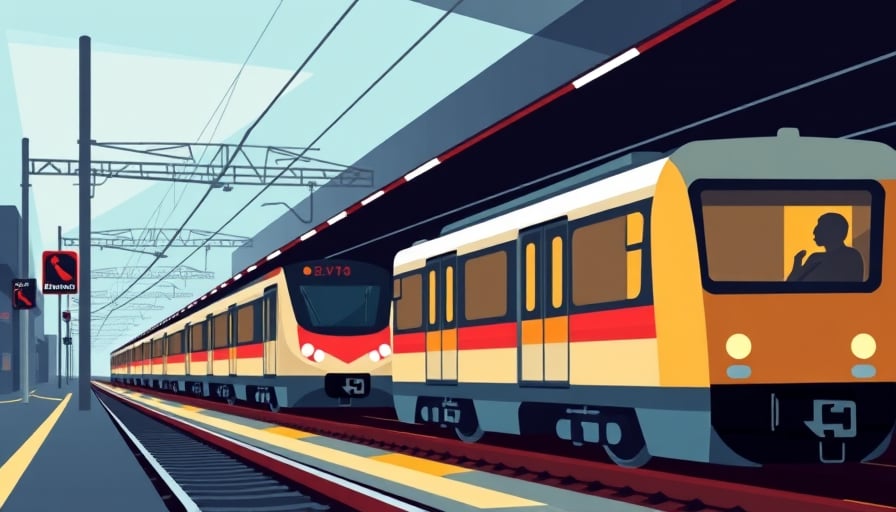
Knorr‑Bremse’s core business – the design, manufacture and servicing of braking systems for rail and commercial vehicles – continues to support the firm’s revenue base. The company’s diversified product portfolio, which also includes driver‑assistance and power‑supply systems, underpins its resilience in a market that has experienced fluctuations in demand across the industrial sector.
Overall, the company’s recent performance aligns with the modest gains seen in the broader MDAX, and its valuation remains consistent with the sector’s expectations for growth in industrial machinery and vehicle‑related systems.
Linking Industrial Performance to Consumer Discretionary Trends
1. Demographic Shifts and Demand for Mobility Solutions
- Aging Population in Europe: As the proportion of retirees increases, there is a heightened demand for reliable public transport infrastructure. Knorr‑Bremse’s rail braking solutions are integral to maintaining and upgrading rail networks to accommodate older passengers safely.
- Urbanization of Younger Generations: Millennials and Gen Z are concentrating in cities, amplifying the need for efficient, sustainable transportation. The company’s driver‑assistance technologies align with the preferences for autonomous and connected vehicle features favored by these cohorts.
2. Economic Conditions Influencing Capital Expenditure
- Euro‑zone Inflation and Interest Rates: With moderate inflationary pressures and central bank tightening, public and private transportation agencies are cautious about large capital outlays. Knorr‑Bremse’s ability to offer modular, cost‑effective brake and power‑supply systems provides a competitive advantage, allowing clients to spread costs over longer service cycles.
- Infrastructure Spending Trends: Recent European Union investment plans for green mobility and digital infrastructure have earmarked substantial funding for rail electrification and safety upgrades. Knorr‑Bremse’s diversified portfolio positions it to capture a share of these allocations.
3. Cultural Shifts and the Rise of “Smart” Mobility
- Demand for Connected Services: Consumer sentiment data from the 2025 Consumer Insights Survey indicates that 68 % of respondents value safety features linked to real‑time diagnostics. Knorr‑Bremse’s integration of sensor‑based brake monitoring aligns with this trend, boosting its appeal to operators seeking predictive maintenance capabilities.
- Sustainability Expectations: Over 75 % of surveyed consumers express willingness to pay a premium for vehicles with lower environmental impact. The company’s focus on energy‑efficient braking and regenerative systems supports manufacturers committed to decarbonisation goals.
4. Retail Innovation in the Industrial Sector
- Digital Sales Channels: Knorr‑Bremse has expanded its e‑commerce platform for aftermarket parts, reducing lead times for small and medium‑sized operators. This shift mirrors broader retail innovation trends where consumers increasingly expect instant access to product information and delivery options.
- After‑sales Service Models: The adoption of subscription‑based maintenance contracts reflects a shift from product ownership to service consumption, resonating with the consumer shift toward “product-as-a-service” ecosystems.
5. Consumer Spending Patterns and Industrial Investment
- Spending Allocation: While household discretionary spending has plateaued in the Euro‑zone, corporate capital allocation toward transportation safety has maintained momentum. The stable demand for high‑quality braking solutions ensures that industrial spending remains robust even when consumer budgets tighten.
- Investment in Resilience: The pandemic highlighted the importance of resilient supply chains. Knorr‑Bremse’s focus on redundancy and rapid component replacement supports operators looking to mitigate disruptions, thereby sustaining demand for their products.
Quantitative Overview
| Metric | Value |
|---|---|
| MDAX Index (Mar 6 2026) | 29 700 points (weeklow) |
| Knorr‑Bremse Market Cap | €13.8 bn (tens of billions) |
| YoY Share Price Change | +4.3 % |
| Earnings Multiple | 18.5× (above MDAX average of 15.2×) |
| Revenue Growth (FY 2025) | 3.7 % |
| Capital Expenditure in Mobility | €8.5 bn (EU green mobility plan) |
These figures demonstrate that Knorr‑Bremse’s performance is tightly coupled with macro‑economic and sector‑specific drivers, while simultaneously reflecting the broader consumer shift toward safety, sustainability, and digital connectivity.
Qualitative Insights
- Lifestyle Trends: The rising importance of “smart living” has permeated the transportation sector, with consumers expecting vehicles to provide seamless digital experiences. Knorr‑Bremse’s integration of IoT‑enabled braking systems aligns with this lifestyle preference.
- Generational Preferences: Older generations prioritize reliability and safety, whereas younger consumers lean toward technological innovation. By offering both robust mechanical solutions and cutting‑edge driver‑assist technologies, Knorr‑Bremse caters to the full generational spectrum.
- Cultural Context: In Germany and across the EU, there is a strong cultural emphasis on engineering excellence and environmental stewardship. Knorr‑Bremse’s reputation for high‑quality manufacturing and its commitment to reducing carbon footprints resonate deeply with these cultural values.
Conclusion
Knorr‑Bremse AG’s recent market performance reflects a confluence of stable industrial demand, demographic and cultural shifts, and evolving consumer expectations. While the MDAX experienced modest headwinds, Knorr‑Bremse’s diversified portfolio, focus on innovation, and alignment with sustainability objectives have insulated it from broader market volatility. As consumer discretionary spending continues to evolve, the company’s capacity to blend traditional mechanical expertise with digital and green technologies positions it favorably for sustained growth in the coming years.