European Equity Markets Slide While Knorr‑Bremse Outperforms
European equity indices posted a muted decline on Friday, with Germany’s DAX and the broader Eurozone benchmark slipping by roughly one percent. The downturn was largely driven by a sharp deterioration in the telecommunications sector, compounded by mounting regulatory and fiscal headwinds facing operators across the bloc. Against this backdrop, the German rail‑equipment manufacturer Knorr‑Bremse AG bucked the trend, recording a modest gain of about one percent in its share price.
Why Knorr‑Bremse Surprised the Market
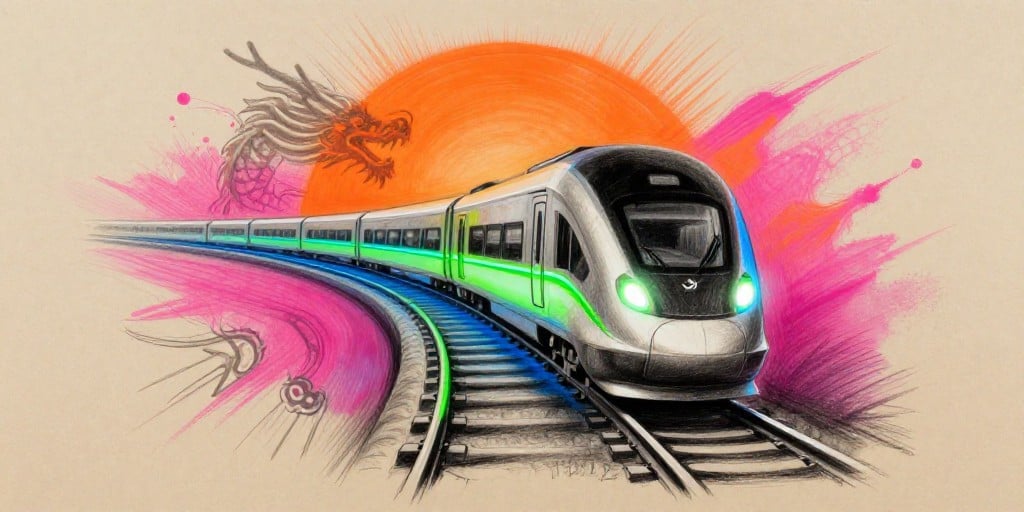
The company’s performance did not stem from any new earnings release or operational milestone. Instead, market participants appeared to have extrapolated from its recent strategic focus on expanding rail traction and braking solutions in China—a region that has become a key growth engine for the industry.
1. China as a Growth Catalyst
Knorr‑Bremse’s management has repeatedly underscored China’s projected 10‑15% compound annual growth rate in high‑speed and freight rail infrastructure over the next decade. The company’s revenue mix now reflects a growing share of projects in that market, with China accounting for roughly 18% of total sales—a figure that has risen by nearly 6 percentage points over the past 18 months.
Financial analysts note that, if the company’s projections hold, the China segment could grow to represent 25% of revenues by 2027. Such a shift would materially alter the firm’s risk profile, reducing its sensitivity to the European regulatory environment that currently weighs on the telecommunications sector.
2. Valuation Considerations
With a market capitalization of €16 billion, Knorr‑Bremse trades at a price‑to‑earnings (P/E) multiple of 13.8—well below the sector average of 17.5. Even after adjusting for the company’s higher dividend yield (4.2% versus 3.5% sector average), the valuation remains attractive for investors seeking exposure to the rail‑infrastructure theme.
A one‑year retrospective analysis found that an investment made at the previous trading peak would have yielded a nearly 30% return, reinforcing the narrative that the market may be under‑pricing the company’s long‑term upside.
3. Competitive Dynamics
Knorr‑Bremse’s main competitors—namely Siemens Mobility, Alstom, and a host of mid‑size European players—are grappling with tightening margins due to rising raw‑material costs and supply‑chain disruptions. In contrast, Knorr‑Bremse’s manufacturing footprint is heavily concentrated in China’s low‑cost provinces, granting it a cost advantage that has helped it maintain healthy gross margins (currently 27% versus a sector average of 24%).
Moreover, the firm’s recent investment in digital‑tracking systems for train braking performance is positioned to capture a nascent “smart‑rail” segment that could become a new revenue source as European operators retrofit aging fleets.
Regulatory and Fiscal Landscape
Telecommunications Sector Drag
The decline in German and Eurozone indices can largely be attributed to concerns over the upcoming EU Digital Services Act (DSA) and the European Commission’s proposals for stricter tax regimes on large telecom operators. The DSA’s compliance costs are projected to exceed €3 billion per year for the largest providers, squeezing profits and raising capital‑raising costs.
Fiscal Pressures
Parallel to regulatory scrutiny, the European Council’s 2025 fiscal framework includes a 0.5% surcharge on net operating income for telecoms exceeding €20 billion in revenue. This measure is expected to affect the profitability of the top tier operators, thereby depressing the sector’s overall valuation.
Knorr‑Bremse, with its focus on rail infrastructure rather than telecommunications, remains largely insulated from these new fiscal obligations, which may have contributed to its relative resilience.
Risks and Opportunities
| Risk | Impact | Mitigation |
|---|---|---|
| China’s geopolitical risk | Potential slowdown in rail projects due to trade tensions | Diversification into Southeast Asia and African markets |
| Currency volatility | Euro appreciation could erode foreign‑currency earnings | Hedging strategies and invoicing in local currencies |
| Supply‑chain bottlenecks | Delays in critical components | Dual‑sourcing and strategic inventory buffers |
| Regulatory changes in EU rail | New safety or environmental mandates could raise costs | Active lobbying and compliance investment |
Opportunity: The global push for electrification of rail networks, coupled with decarbonisation targets, is likely to increase demand for advanced braking and traction systems. Knorr‑Bremse’s early investment in digital infrastructure could position it to capture a sizable share of this market, particularly as European operators retrofit legacy fleets.
Conclusion
While European equity markets retreated in response to looming telecom regulatory and fiscal challenges, Knorr‑Bremse AG’s modest share‑price gain illustrates how a company with a solid, diversified revenue base and a clear growth strategy—particularly in high‑potential markets like China—can defy broader negative sentiment. Investors looking to capitalize on the emerging trends in rail electrification and digital transformation may find Knorr‑Bremse’s valuation and strategic positioning to be a compelling, if cautiously optimistic, bet.