
Keyera Corp, AltaGas Ltd. and Canadian National Railway Co. Collaborate on Alberta Corridor Export Rail Terminal (ACE)
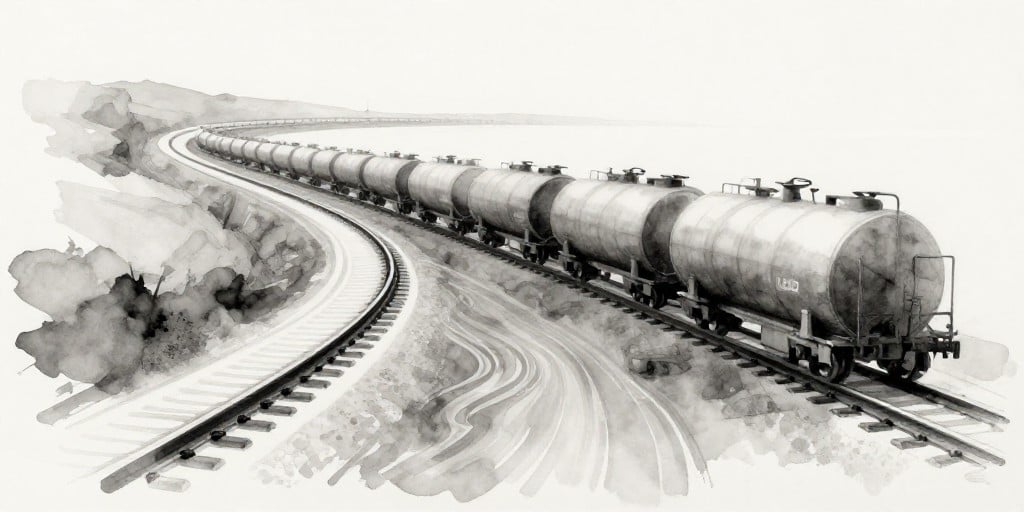
Keyera Corp (TSX: KE) has announced a strategic partnership with AltaGas Ltd. (TSX: AG) and Canadian National Railway Company (TSX: CN) to develop the Alberta Corridor Export Rail Terminal (ACE), situated within Alberta’s Industrial Heartland. The joint venture is designed to deliver a scalable rail solution for the export of propane and butane to West Coast markets, leveraging CN’s extensive rail network and AltaGas’s export platform.
Project Overview
- Ownership and Construction: Keyera will own the terminal and is responsible for its construction on its own land holdings. The development will be financed through a combination of Keyera’s capital allocation and long‑term commercial agreements with CN and AltaGas.
- Operational Concept: The terminal is engineered to facilitate unit‑train loading of propane and butane. This approach is expected to reduce handling and transportation costs relative to conventional rail options that require multiple intermediate transfers.
- Timeline: Construction has already commenced, with a projected commissioning date in mid‑2028. This schedule aligns with Keyera’s broader fractionation expansion program, positioning the company to increase throughput capacity during a period of heightened demand for liquefied petroleum gases (LPGs).
Strategic Rationale
Strengthening Canada’s Energy Supply Chain
The collaboration underscores a concerted effort to bolster the domestic energy supply chain. By integrating Keyera’s fractionation capabilities, AltaGas’s export infrastructure, and CN’s rail network, the terminal provides a direct conduit from production sites to global markets. This integration mitigates logistical bottlenecks that have historically constrained the export of LPGs from Canada.
Enhancing Market Access for Canadian Producers
The ACE terminal will extend the geographic reach of Canadian producers to West Coast export markets, traditionally dominated by competitors with more established logistics networks. The streamlined rail loading process reduces the need for intermediary handling, thereby lowering the total cost of shipping and improving the competitiveness of Canadian LPGs on international platforms.
Supporting Industry Competitiveness on Global Markets
By lowering transportation costs and improving reliability, the terminal enhances the overall value proposition of Canadian LPGs in the global marketplace. This is particularly significant as international demand for LPGs continues to rise, driven by energy transition strategies and the need for clean, portable fuels.
Economic Implications
- Capital Investment and Jobs: The construction phase is projected to generate significant employment opportunities in the Alberta region, supporting local economies while advancing the province’s industrial development goals.
- Supply Chain Efficiency: The project exemplifies how infrastructure investment can yield multiplicative benefits across the energy sector, improving resilience and reducing the carbon footprint associated with fuel transportation.
- Policy Alignment: The initiative aligns with Canadian governmental priorities to diversify export routes and reduce dependence on pipeline transport, thereby enhancing energy security and trade flexibility.
Comparative Industry Insights
While the project is rooted in the energy sector, its underlying principles resonate across multiple industries:
- Logistics and Supply Chain: Similar to freight rail solutions employed by the automotive and agriculture sectors, the ACE terminal showcases how dedicated loading facilities can cut handling steps and improve asset utilization.
- Infrastructure Financing Models: The partnership model mirrors public‑private collaborations seen in telecommunications and utilities, where risk is shared and long‑term revenue streams are secured through contractual agreements.
- Environmental Considerations: Reducing handling and transport inefficiencies aligns with broader sustainability goals, akin to efforts in the shipping and aviation industries to cut emissions through route optimization.
Conclusion
The Keyera‑AltaGas‑CN partnership to build the Alberta Corridor Export Rail Terminal represents a landmark development in Canada’s energy logistics infrastructure. By integrating ownership, construction, and commercial operations across three major players, the venture is poised to enhance market access, reduce transportation costs, and strengthen Canada’s position in the global LPG market. The project’s successful execution will likely serve as a model for future cross‑sector collaborations aimed at bolstering supply chain efficiency and competitiveness.