Corporate News
Keurig Dr Pepper Inc. (NASDAQ: KDP) announced on November 12 2026 that it had commenced a $2 billion underwritten public offering of its common stock. The shares will trade on the Nasdaq Global Select Market and carry a par value of $0.01. The underwriting agreement grants the underwriters a 30‑day option to purchase up to an additional $300 million of shares at the same price per share, a standard feature that enhances the flexibility of the transaction. The offering is contingent on customary market and regulatory approvals.
Deleveraging as a Catalyst for Structural Change
The proceeds from the offering will be deployed primarily to accelerate deleveraging of KDP’s balance sheet. Management intends to use the funds to repay or repurchase roughly $2 billion of outstanding debt, including borrowings under its delayed‑draw term loan, commercial paper notes and senior unsecured notes. By reducing leverage, KDP seeks to strengthen the investment‑grade rating profiles of its future entities and to free capital that can be reinvested in growth initiatives.
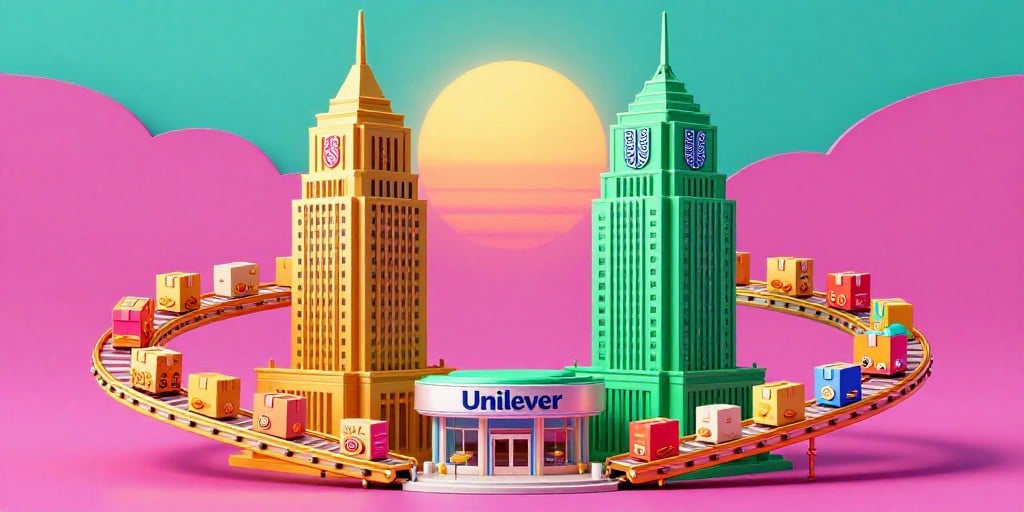
This deleveraging is part of a broader, strategic split that will create two independently listed companies—Beverage Co. and Global Coffee Co.—anticipated in early 2027. The spin‑off is designed to unlock shareholder value by allowing each unit to focus on its core competencies: Beverage Co. will concentrate on soft‑drink and juice businesses, while Global Coffee Co. will manage coffee, specialty drinks and related retail operations. A cleaner balance sheet will also provide both companies with greater flexibility to pursue acquisitions, R&D, and supply‑chain innovations tailored to their respective markets.
Market Dynamics: Omnichannel, Consumer Behavior, and Supply Chain
The announcement comes amid a shift toward omnichannel retail in the consumer‑goods sector, driven by increasingly sophisticated customer expectations. Beverage and coffee brands are investing in seamless cross‑platform experiences that integrate digital ordering, in‑store pickup, and subscription models. KDP’s ability to reduce debt and split its operations positions it to allocate resources toward retail innovation, such as AI‑driven inventory management and direct‑to‑consumer e‑commerce platforms that reduce reliance on traditional grocery and convenience store channels.
Consumer behavior data indicates a resurgence of specialty coffee and premium beverage segments, with millennials and Gen Z driving growth through a demand for sustainable sourcing and transparent supply chains. KDP’s Global Coffee Co. can leverage this trend by scaling its specialty coffee line and partnering with boutique roasters, while Beverage Co. can capitalize on the enduring popularity of low‑calorie and functional drinks. Both units will benefit from a more agile organizational structure, allowing them to respond rapidly to evolving consumer preferences.
Cross‑Sector Patterns and Long‑Term Implications
The KDP split reflects a broader pattern among consumer‑goods conglomerates that are divesting to unlock shareholder value and sharpen brand positioning. Similar moves by companies in the snack, household products and personal care arenas suggest a market-wide realignment toward focused, high‑growth segments. Analysts forecast that the de‑leveraged balance sheets of the new entities will improve credit ratings, reduce borrowing costs, and enable higher‑margin growth initiatives such as product diversification, geographic expansion and sustainable packaging innovations.
In the short term, the $2 billion offering will likely influence market sentiment toward the broader beverage and coffee sectors, as investors assess the impact of debt reduction on future earnings. In the long term, the successful execution of KDP’s split could serve as a blueprint for other conglomerates contemplating similar restructuring, thereby shaping the competitive landscape of the consumer‑goods industry for the next decade.