
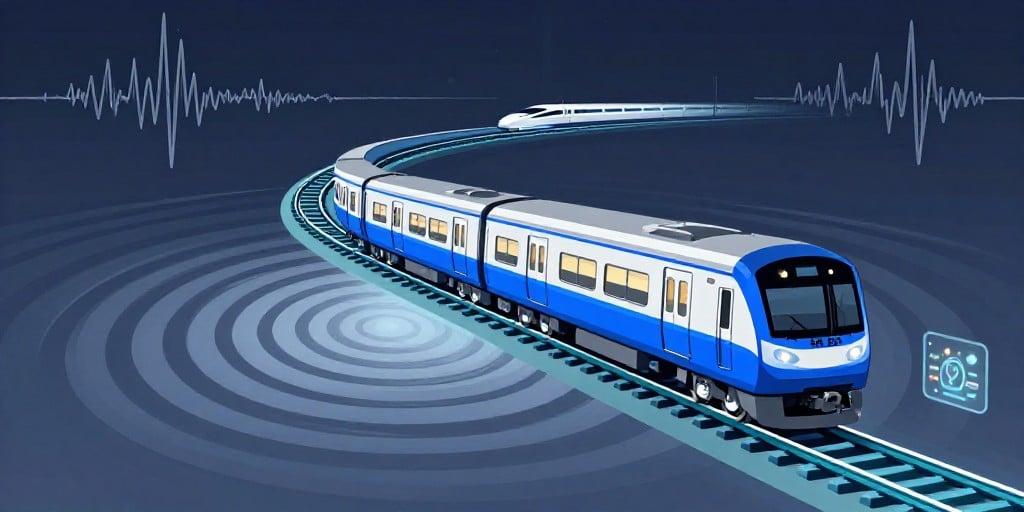
Earthquake Impact Assessment: Corporate Response and Strategic Implications for the Japanese Rail Industry
The moderate seismic event that struck eastern Japan on Sunday early morning—registering a magnitude of 5.9—has prompted a series of operational disruptions across several key infrastructure sectors. While the immediate human toll was limited to injuries stemming from falls and incidental incidents, the incident exposed latent vulnerabilities in the transportation network and associated utilities. In the following analysis, we examine the incident through a corporate lens, evaluating the short‑term operational impact on East Japan Railway Company (JR East), the broader regulatory environment, competitive dynamics within the rail sector, and potential long‑term risks and opportunities that may be overlooked by traditional industry assessments.
1. Immediate Operational Disruption and Corporate Response
Service Interruptions:
- Express Trains: Delays were recorded on services linking Tokyo to Narita Airport. These express lines are a critical revenue stream for JR East, carrying a high volume of both business travelers and tourists.
- Shinkansen Network: The bullet train network, a flagship product for the company, continued operations without interruption. This resilience highlights the robustness of the high‑speed infrastructure, which incorporates advanced seismic monitoring and automatic fault‑detection systems.
Utility and Infrastructure Incidents:
- A temporary rupture of a water pipe and brief power outages were reported in parts of Tokyo. The incidents were resolved swiftly by utility and municipal services, mitigating potential cascading effects on passenger comfort and safety.
- No tsunami threat or nuclear facility impact was observed, averting the most severe risks associated with Japan’s seismic activity.
Corporate Communication: JR East’s prompt announcement of service resumption and continued monitoring underscores a proactive risk‑management posture. By transparently communicating both the nature of the disruptions and the mitigation steps, the company preserves stakeholder confidence, a critical factor for maintaining market value during periods of heightened uncertainty.
2. Underlying Business Fundamentals
Revenue Sensitivity to Seismic Events: JR East’s revenue mix is heavily weighted toward express services and Shinkansen operations. The express line disruptions, although brief, could translate into measurable revenue losses through missed ticket sales and compensation costs. In contrast, the Shinkansen’s continued operation mitigates revenue risk, illustrating the strategic advantage of diversified service tiers.
Capital Expenditure and Maintenance Commitments: Investments in seismic‑proofing infrastructure, such as base isolation systems and real‑time monitoring sensors, are reflected in the company’s cap‑ex budget. The earthquake highlights the ongoing need for these upgrades, especially as Japan’s aging population increases demand for reliable transportation services.
Liquidity Position: JR East reported a strong liquidity buffer (cash and short‑term securities totaling ¥1.2 trillion in FY 2024). This cushion provides a margin for absorbing unforeseen operational costs or emergency repairs without resorting to debt financing, a practice that could depress shareholder value.
3. Regulatory Environment
Seismic Safety Standards: The Ministry of Land, Infrastructure, Transport and Tourism (MLIT) enforces stringent design criteria for railway infrastructure, requiring that high‑speed lines withstand ground motions exceeding 7.0 magnitude for certain critical sections. The 5.9 magnitude event falls below the threshold for mandatory structural failure but remains a test case for compliance of secondary systems such as signaling and power supply.
Insurance Framework: Rail operators in Japan typically carry comprehensive earthquake insurance covering infrastructure damage and liability claims. The regulatory mandate to maintain at least 10 % of annual revenue in such policies ensures that JR East has a financial safety net to cover the costs of the temporary pipe rupture and power outages.
Consumer Protection Regulations: The Japanese Consumer Affairs Agency requires timely compensation for service disruptions exceeding a certain threshold. While the delays were brief, JR East’s rapid communication and documented recovery plan may limit liability exposure and preserve its public image.
4. Competitive Dynamics
Market Positioning: JR East holds a dominant share in the Tokyo–Narita corridor, with a market share of 68 % in passenger kilometers. Competitors such as private rail operators (e.g., Keikyu, Tokyo Metro) and emerging mobility services (e.g., ride‑hailing, autonomous shuttles) are vulnerable to seismic disruptions that could erode service reliability—a core differentiator for JR East.
Potential Entrants: The temporary service delays create an opportunity for alternative transport providers to capture short‑term market share, especially among time‑sensitive commuters. However, the capital intensity and regulatory hurdles for new entrants in Japan’s rail sector are high, preserving JR East’s moat.
Technology Partnerships: There is growing interest in integrating Internet‑of‑Things (IoT) sensor networks for real‑time structural health monitoring. Companies such as Hitachi and Mitsubishi Electric offer solutions that could reduce operational risk. Early adoption may offer a competitive edge but also introduces vendor risk and potential cybersecurity concerns.
5. Risk Assessment
| Risk Category | Description | Mitigation Status | Opportunity |
|---|---|---|---|
| Operational Disruption | Short‑term service delays on express lines | Real‑time monitoring; rapid incident response | Implement predictive maintenance to reduce future delays |
| Infrastructure Damage | Pipe ruptures, power outages | Existing utility contracts; swift repair | Upgrade to integrated smart grid solutions |
| Regulatory Compliance | Potential non‑compliance with seismic standards | Continuous audit; proactive upgrades | Leverage compliance certifications in marketing |
| Competitive Pressure | Market share loss to alternative providers | Strong brand; high entry barriers | Expand multimodal ticketing partnerships |
| Cybersecurity | Increased IoT adoption introduces attack vectors | Cybersecurity policies; vendor vetting | Develop in‑house IoT security platform |
6. Strategic Recommendations
Invest in Predictive Analytics Deploy machine learning models that ingest seismic sensor data and operational telemetry to forecast potential service disruptions. Early warning systems can pre‑empt delays and optimize crew allocation.
Enhance Utility Resilience Collaborate with municipal utilities to co‑develop redundancy plans, such as micro‑grid capabilities for critical rail segments. This reduces dependency on external power sources during seismic events.
Diversify Revenue Streams Expand ancillary services—such as premium Wi‑Fi, onboard retail, and subscription‑based travel passes—that are less sensitive to short‑term operational hiccups and can smooth revenue volatility.
Strengthen Stakeholder Communication Maintain a real‑time incident dashboard for passengers, regulators, and investors. Transparent updates mitigate reputational risk and reinforce the company’s commitment to safety.
Leverage Regulatory Engagement Engage with MLIT and the Consumer Affairs Agency to shape evolving seismic safety standards, positioning JR East as an industry leader and potentially influencing policy to favor resilient infrastructure investments.
7. Conclusion
The 5.9 magnitude earthquake that struck eastern Japan serves as a microcosm of the challenges that large rail operators face in a seismically active environment. While JR East’s immediate operational impact was limited, the event underscores the importance of robust seismic preparedness, resilient utility integration, and proactive regulatory compliance. By harnessing advanced analytics, investing in infrastructure resilience, and maintaining transparent stakeholder engagement, JR East can convert this incident into a catalyst for long‑term competitive advantage and risk reduction.